


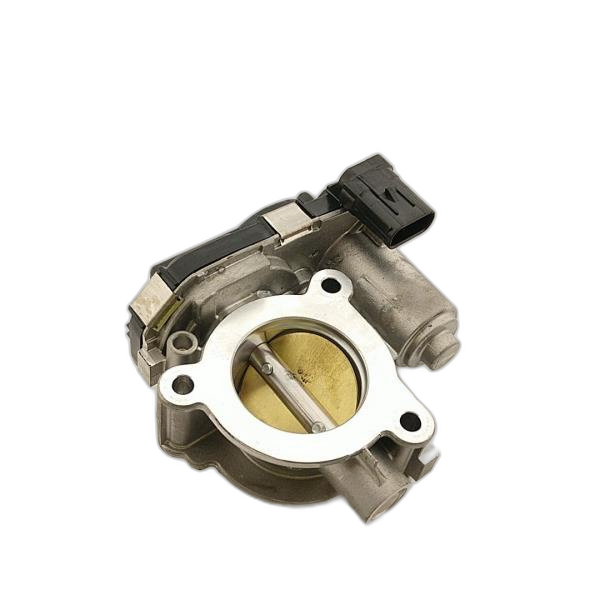
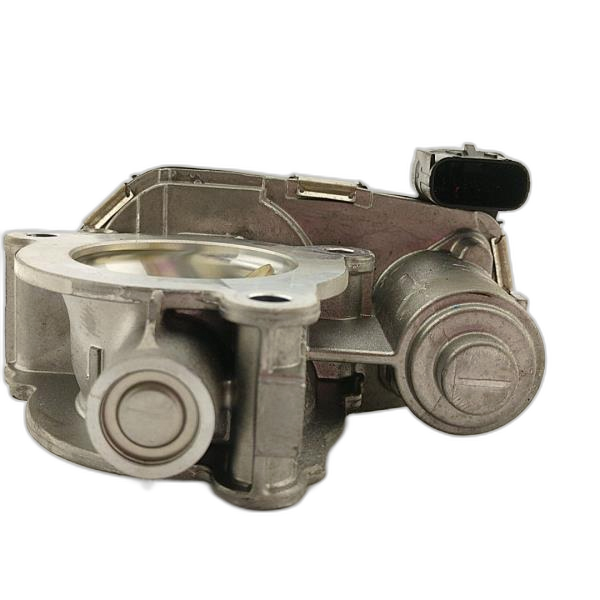

Warning Signs of a Failing Throttle Body Assembly
- Rough idling: The engine struggles to maintain a smooth idle speed.
- Stalling: The engine suddenly shuts off, especially when slowing down or stopping.
- Poor acceleration: The vehicle feels sluggish and doesn't accelerate as quickly as it should.
- Check Engine Light: The light may illuminate on the dashboard, indicating a problem with the engine management system.
- Hesitation: The engine briefly pauses or stumbles when you press the accelerator.
- Decreased fuel economy: You may notice that you're getting fewer miles per gallon.
Testing the Throttle Body Assembly
- Visual Inspection: Check for any obvious damage, such as cracks or broken connectors. Look for excessive carbon buildup around the throttle plate.
- Scan for Codes: Use an OBD-II scanner to check for any trouble codes related to the throttle body or engine performance.
- Throttle Plate Movement: With the engine off, manually move the throttle plate. It should move smoothly and return to its closed position without sticking.
- Voltage Test: Use a multimeter to test the voltage at the throttle position sensor (TPS). Compare the readings to the manufacturer's specifications.
- Smoke Test: A smoke test can reveal vacuum leaks around the throttle body that can cause similar symptoms.
Common Failure Causes
- Carbon buildup: Over time, carbon deposits can accumulate on the throttle plate and inside the throttle body, restricting airflow.
- Electrical issues: The throttle position sensor (TPS) or the throttle motor can fail, causing the throttle body to malfunction.
- Vacuum leaks: Leaks in the vacuum lines connected to the throttle body can disrupt the air-fuel mixture.
- Wear and tear: The moving parts inside the throttle body can wear out over time, leading to reduced performance.
- Moisture: Water intrusion can corrode electrical connections and cause the throttle body to fail.