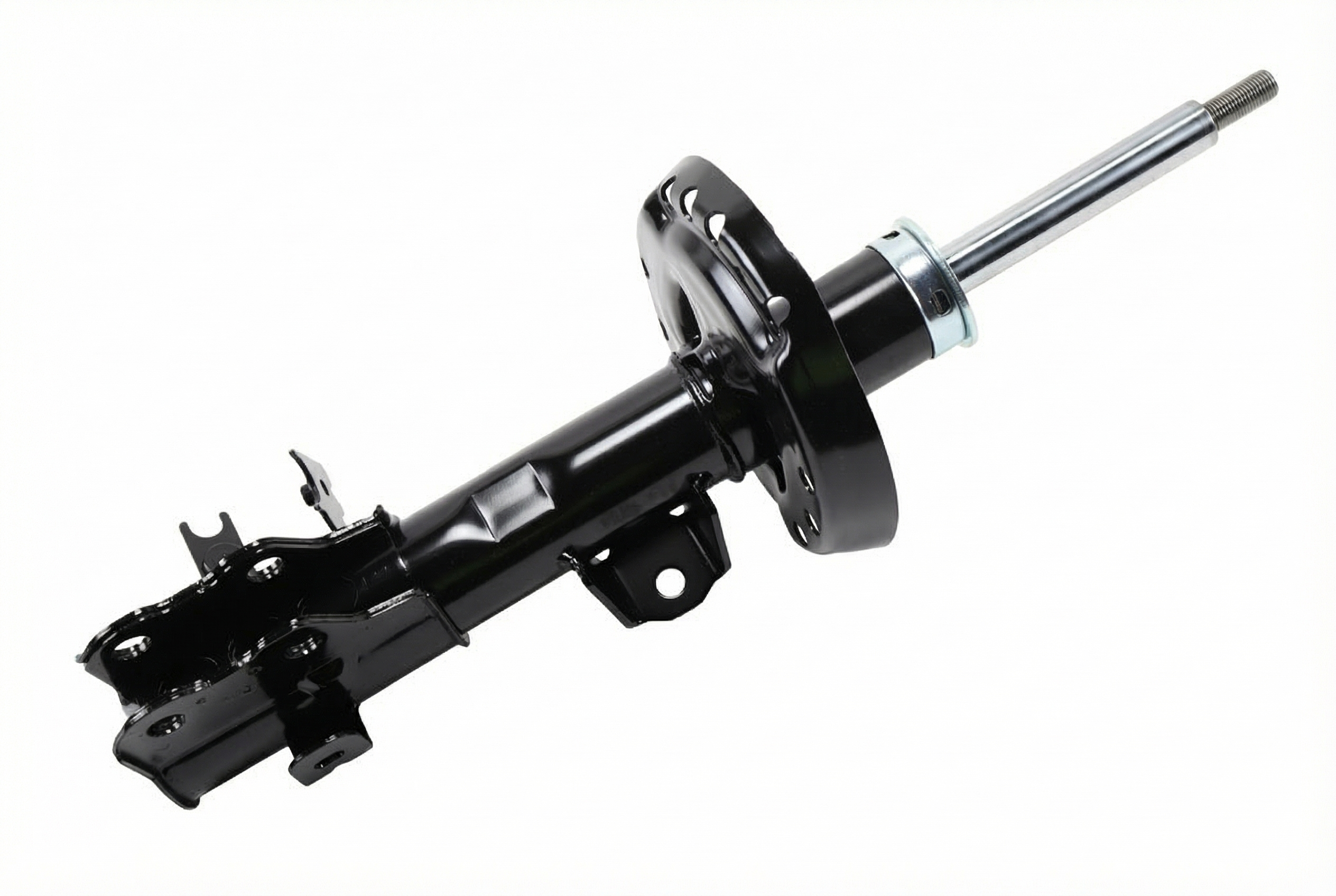
How to Confirm Proper Operation:
- Test Drive: Drive the vehicle at various speeds and over different road surfaces.
- Listen for Noises: Pay attention to any unusual clunking, squeaking, or knocking sounds.
- Check Handling: Ensure the vehicle handles properly, with no excessive body roll or instability.
What to Look/Listen For:
- Smooth and controlled ride
- No excessive bouncing after hitting bumps
- No unusual noises from the front suspension
- Proper steering response
FAQ
Q: How do I know if I need to replace just one strut or both?
A: It's generally recommended to replace struts in pairs (both front or both rear) to ensure even handling and braking performance. Replacing only one strut can lead to uneven wear and handling issues.
Q: Can I replace the front strut assembly myself?
A: Replacing a front strut assembly is a moderately difficult task that requires specialized tools, including a strut spring compressor. If you are not comfortable working with suspension components, it's best to have a professional mechanic do the job.
Q: What is the difference between an OEM strut and an aftermarket strut?
A: OEM struts are made by the original manufacturer of the vehicle and are designed to meet the exact specifications of your car. Aftermarket struts are made by third-party companies and may vary in quality and performance.
Q: How long will a new strut assembly last?
A: The lifespan of a new strut assembly depends on several factors, including driving conditions, climate, and driving habits. On average, a strut assembly will last between 50,000 and 75,000 miles.
Q: Do I need a wheel alignment after replacing the front strut assembly?
A: Yes, a wheel alignment is highly recommended after replacing the front strut assembly. This will ensure that your vehicle handles properly and that your tires wear evenly.