


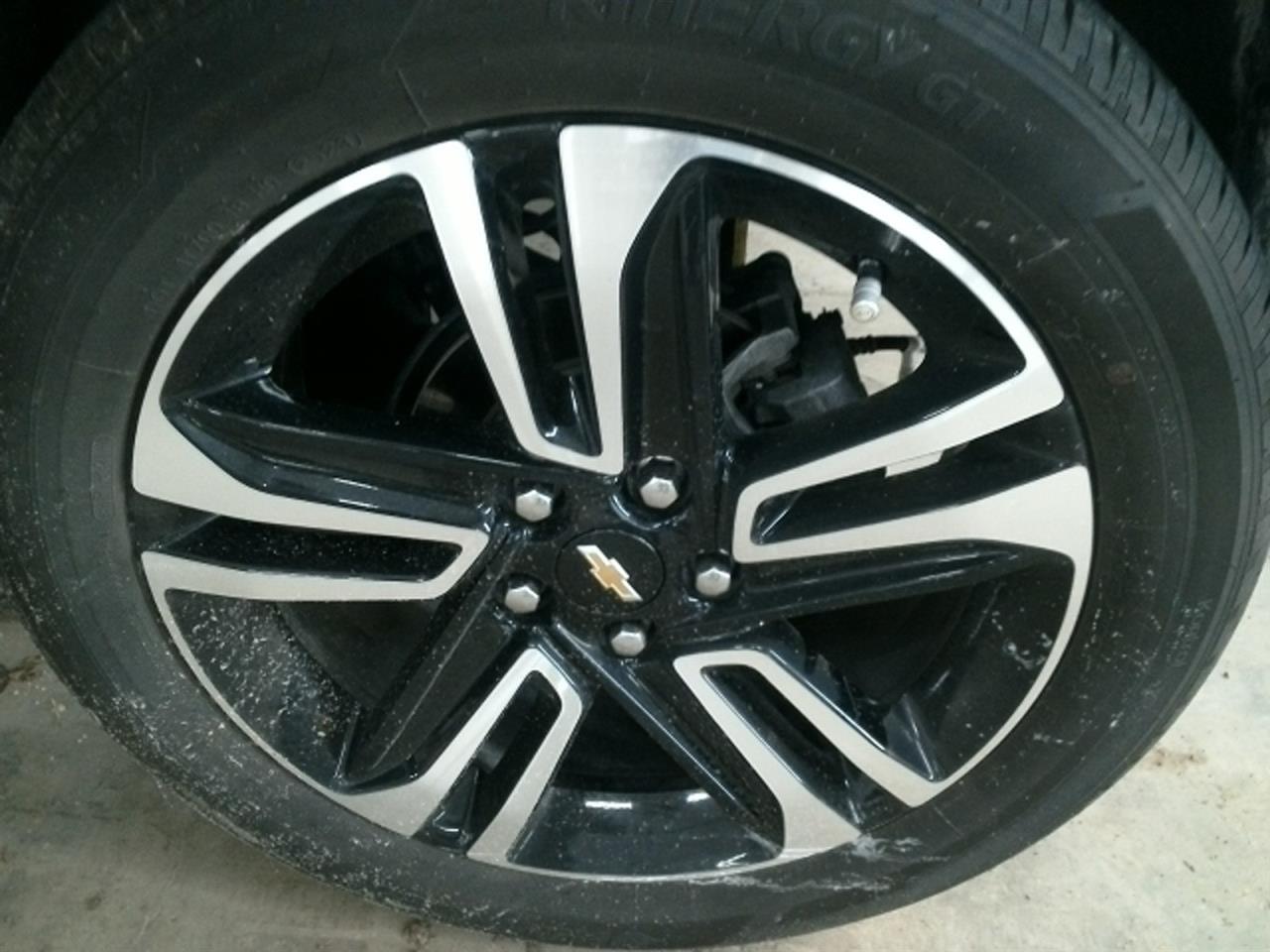
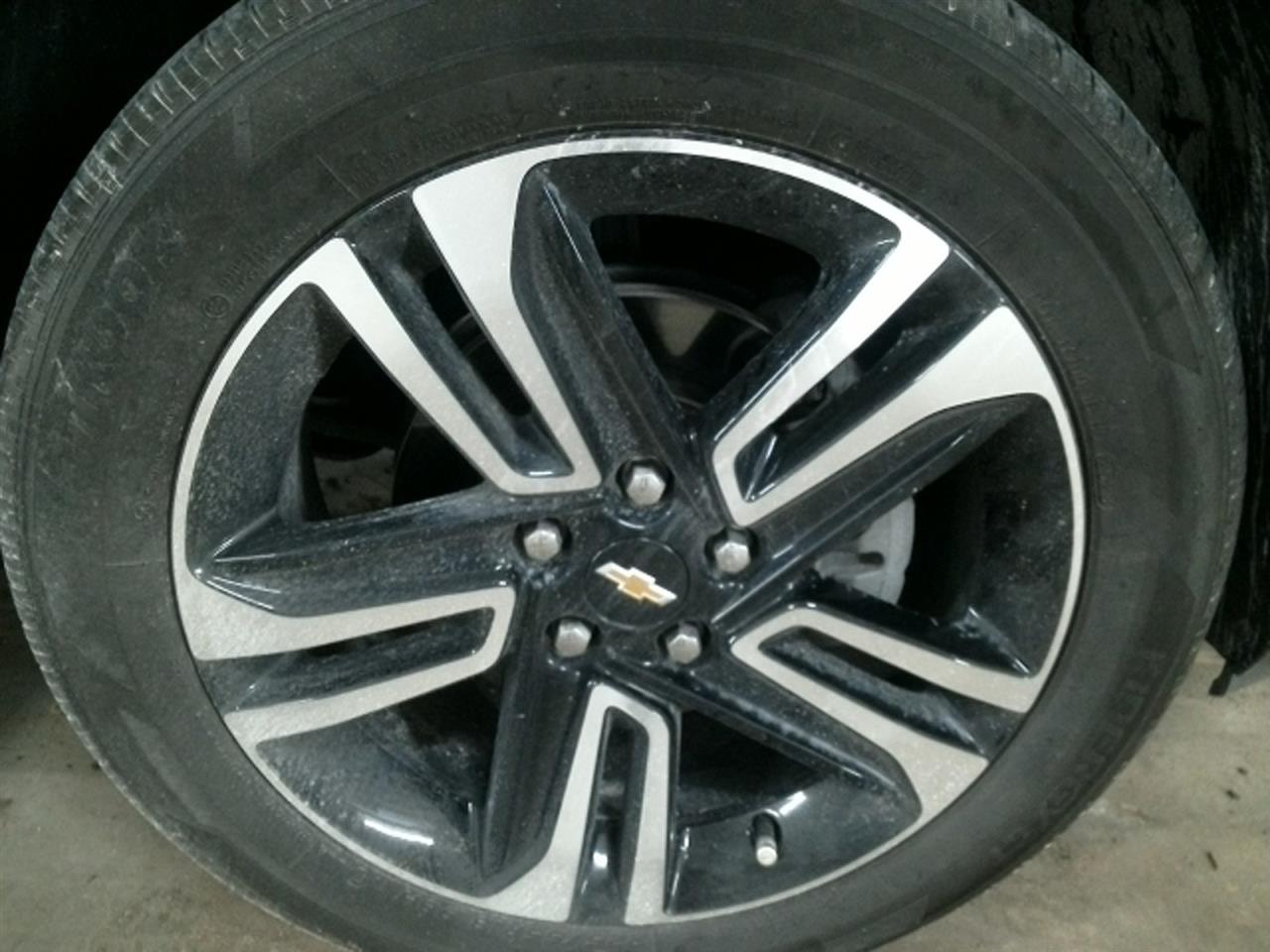
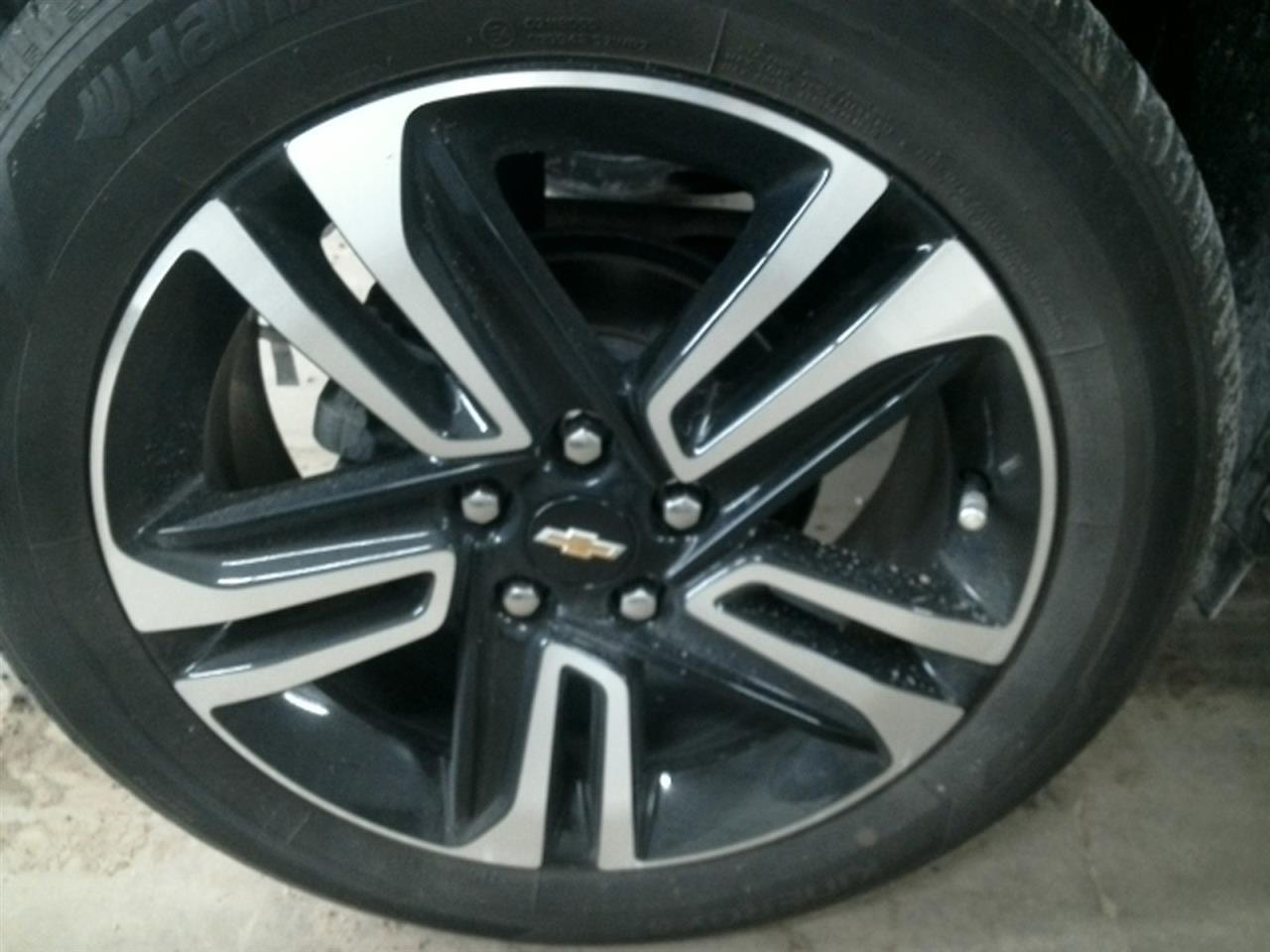
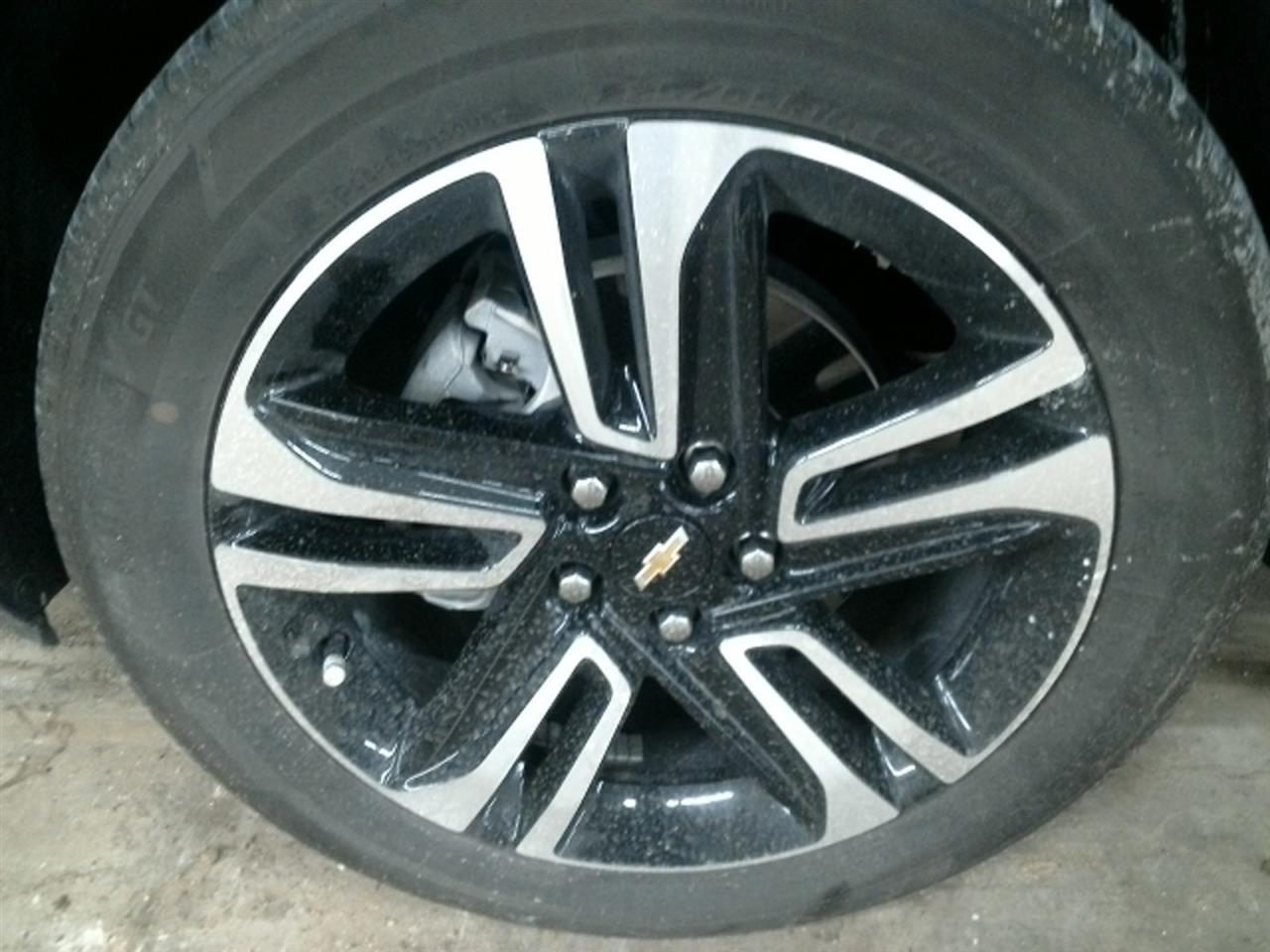

Warning signs your black alloy wheel might be failing include:
- Vibration: Feeling a shaking or vibrating sensation in the steering wheel or seat, especially at higher speeds.
- Bent Rim: Visually noticing a bend or dent in the wheel's outer edge.
- Cracks: Observing cracks in the wheel's structure, often near the spokes or hub.
- Air Loss: Experiencing frequent tire pressure loss, even without a visible puncture.
- Uneven Tire Wear: Noticing that your tires are wearing down unevenly, which can be caused by a damaged wheel.
To test if the wheel is the problem:
- Visual Inspection: Carefully examine the wheel for any signs of damage like bends, cracks, or dents.
- Wheel Balancing: Have a tire shop balance the wheel. If it requires excessive weight to balance, it may be damaged.
- Wheel Runout Test: A mechanic can use a dial indicator to measure the wheel's runout (how much it deviates from a perfect circle) while it's spinning. Excessive runout indicates a problem.
- Tire Rotation: Rotate the tires. If the vibration moves with the tire, the wheel is likely the issue.
Common causes of wheel failure:
- Impact Damage: Hitting potholes, curbs, or other road hazards.
- Corrosion: Exposure to salt, road chemicals, and moisture, especially in colder climates.
- Overloading: Exceeding the vehicle's weight capacity.
- Improper Installation: Incorrectly torqued lug nuts can stress the wheel.
- Manufacturing Defects: Rarely, a wheel may have a flaw from the factory.