


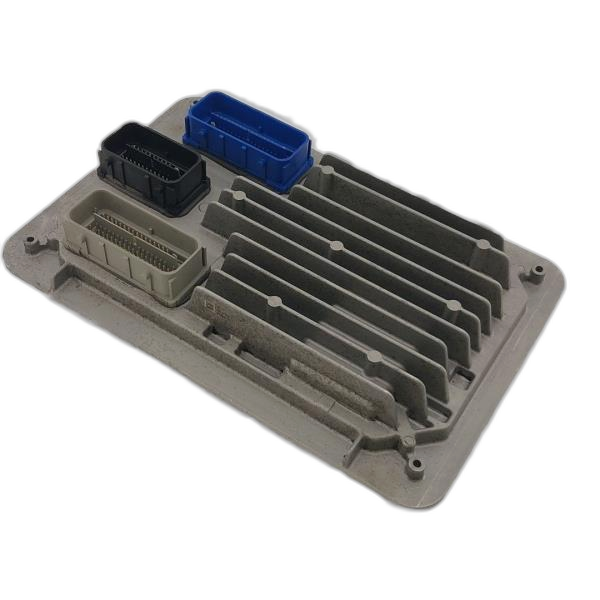
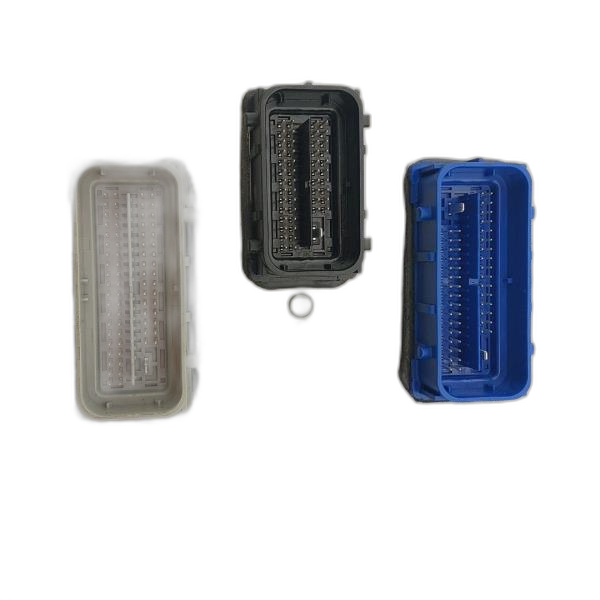
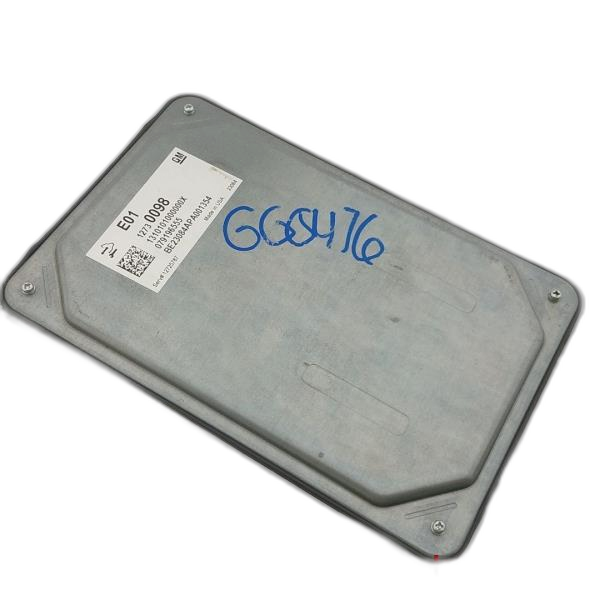
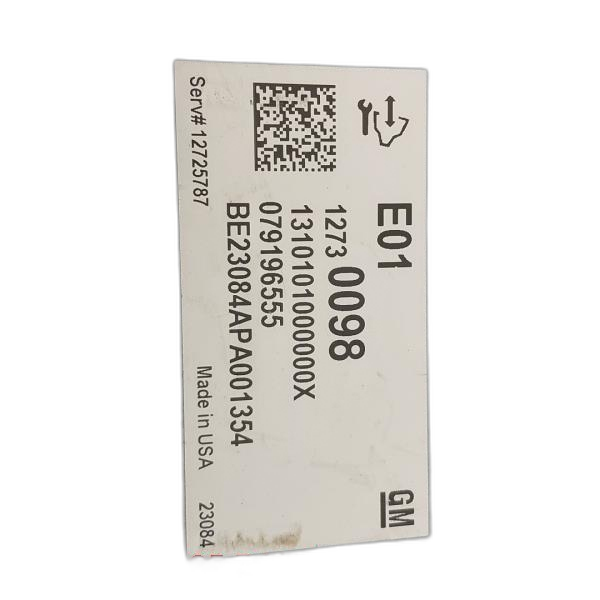

Warning Signs of a Failing Engine Control Module (ECM)
- Check Engine Light is on
- Engine stalls or misfires
- Poor fuel economy
- Difficulty starting the engine
- Transmission shifting problems
- Vehicle fails emissions testing
- Unusual engine performance
Testing the ECM
Is the ECM really the problem? Here's how to check:
- Check the Basics: Make sure the battery, spark plugs, fuel injectors, and sensors are working correctly. A problem with any of these can mimic ECM issues.
- Scan for Codes: Use an OBD-II scanner to read diagnostic trouble codes (DTCs). This will give you clues about what's wrong.
- Inspect Wiring: Look for damaged or corroded wires and connectors going to the ECM.
- Professional Testing: A qualified mechanic can use specialized tools to test the ECM's inputs and outputs. This is the most accurate way to diagnose an ECM problem.
Common Causes of ECM Failure
- Overheating: High temperatures can damage the ECM's internal components.
- Water Damage: Moisture can cause corrosion and short circuits.
- Voltage Spikes: Electrical surges can fry the ECM.
- Vibration: Constant vibration can loosen connections and damage the ECM.
- Age: Like any electronic component, ECMs can simply wear out over time.