


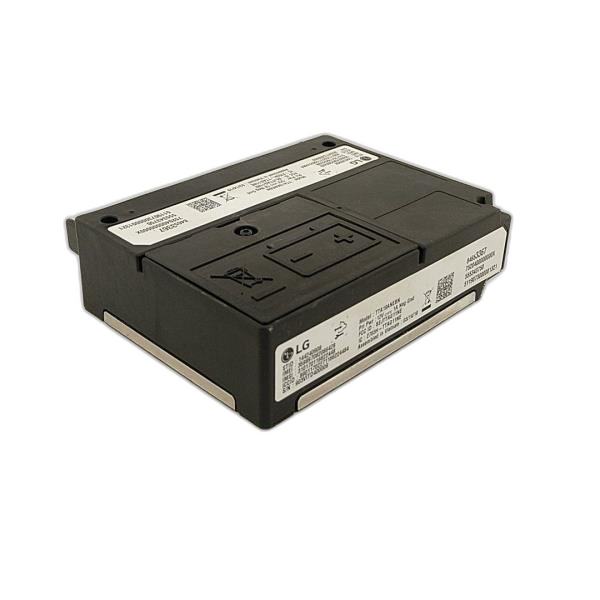
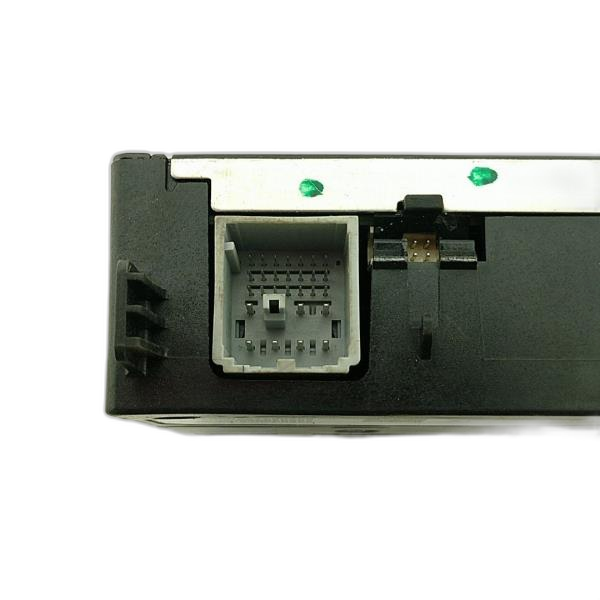
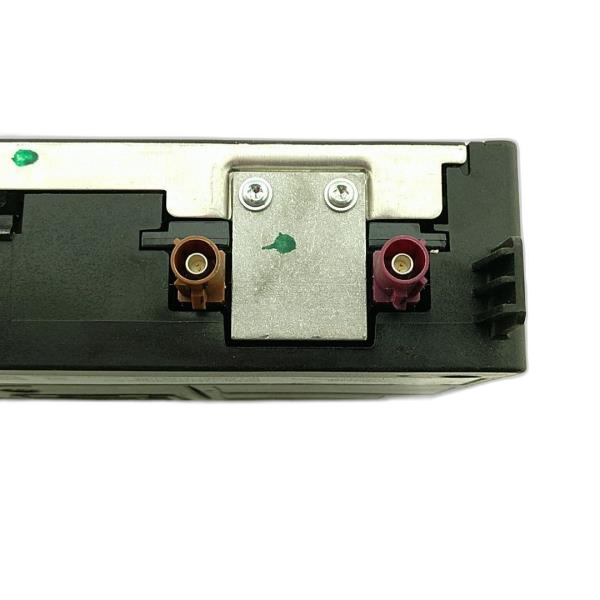
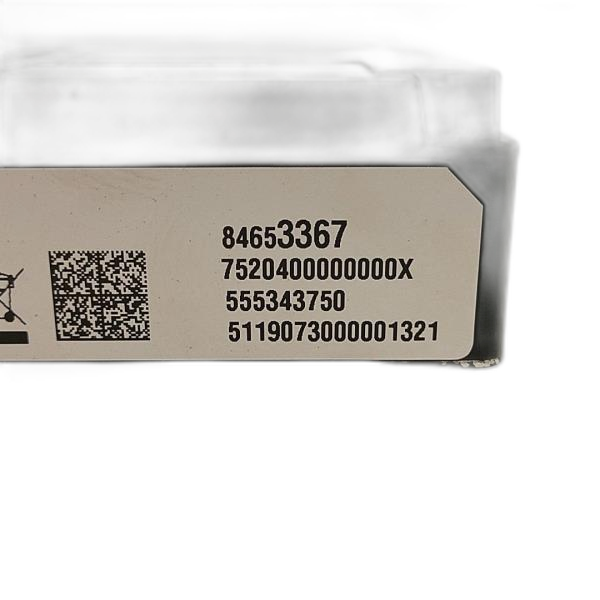

Is your Buick, Cadillac, Chevrolet, or GMC acting up? A failing Communication Control Module could be the culprit. This part is like the brain of your car's communication system, connecting different electronic components. When it goes bad, you might experience a range of issues.
Warning Signs:
- Your car's infotainment system might freeze or become unresponsive.
- You could see warning lights on your dashboard related to communication errors.
- Features like Bluetooth, OnStar, or navigation might stop working.
- The car might have trouble starting or experience intermittent stalling.
- You might notice unusual behavior from other electronic systems in the car.
Testing the Module:
It's important to make sure the Communication Control Module is really the problem before replacing it. Here's how a mechanic might test it:
- Scan for Diagnostic Trouble Codes (DTCs): A scan tool can read codes stored in the car's computer that point to the module.
- Check Power and Ground: Make sure the module is getting the right amount of power and that the ground connection is solid.
- Inspect Wiring: Look for damaged or corroded wires and connectors that could be causing problems.
- Perform Module-Specific Tests: Some scan tools have tests specifically designed for the Communication Control Module.
- Compare with Known Good Module: In some cases, a mechanic might temporarily swap in a known good module to see if the problems go away.
Common Failure Causes:
- Electrical Surges: Power surges can damage the sensitive electronics inside the module.
- Water Damage: Moisture can corrode the module's internal components.
- Vibration: Constant vibration can weaken the module's connections over time.
- Overheating: High temperatures can cause the module to fail.
- Age: Like any electronic component, the module can simply wear out over time.