


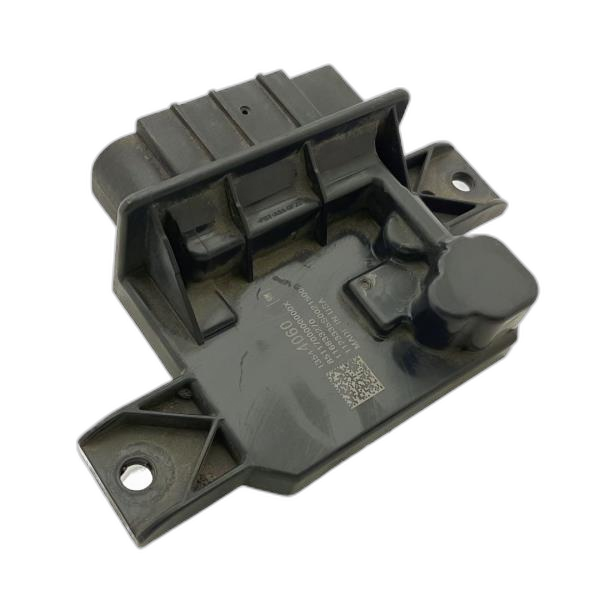
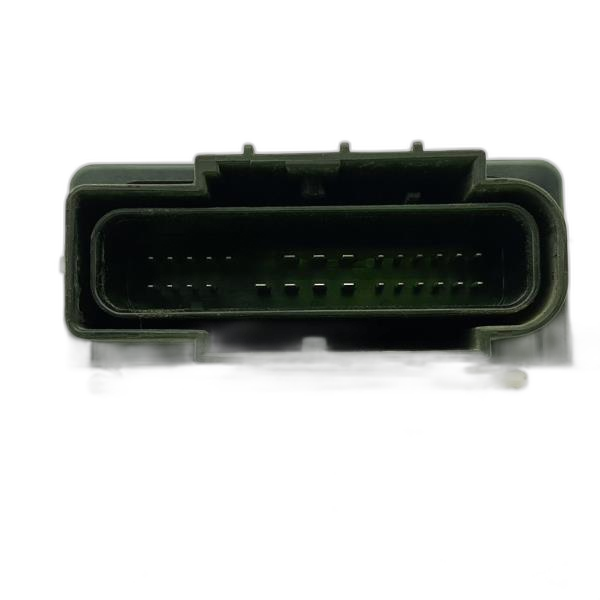
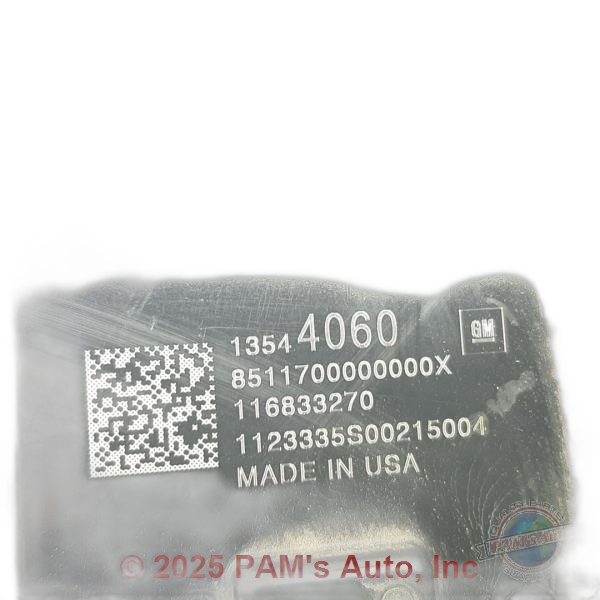

Warning Signs of a Failing Fuel Pump Control Module
- Engine stalling or hesitation, especially under acceleration
- Difficulty starting the engine
- Reduced fuel economy
- Rough idling
- Check engine light illuminated (often with fuel system-related codes)
- Fuel pump not running or running intermittently
Testing the Fuel Pump Control Module
If you're experiencing fuel system issues, it's important to determine if the fuel pump control module is the culprit. Here's how to investigate:
- Check the basics: Ensure the fuel tank has fuel, the fuel filter isn't clogged, and the fuel pump is receiving power.
- Listen for the fuel pump: Turn the ignition key to the "on" position (without starting the engine). You should hear the fuel pump prime for a few seconds. If you don't hear it, the module may not be sending the signal.
- Use a multimeter: A mechanic can use a multimeter to check the voltage and ground signals going to and from the fuel pump control module. Incorrect readings can indicate a faulty module.
- Scan for diagnostic trouble codes (DTCs): Use an OBD-II scanner to check for fuel system-related codes. These codes can help pinpoint the source of the problem.
- Swap with a known good module (if possible): If you have access to a known good fuel pump control module from a similar vehicle, you can try swapping it in to see if the problem resolves. This is a more advanced diagnostic step.
Common Causes of Failure
- Heat: Fuel pump control modules are often located in areas that are exposed to high temperatures, such as near the fuel tank or exhaust system. Excessive heat can damage the internal components.
- Vibration: Constant vibration from the vehicle can also weaken the module's internal connections.
- Moisture: Exposure to moisture or corrosion can cause electrical shorts and failures.
- Electrical surges: Voltage spikes or surges in the vehicle's electrical system can damage the module.
- Normal wear and tear: Over time, the module's components can simply wear out and fail.