


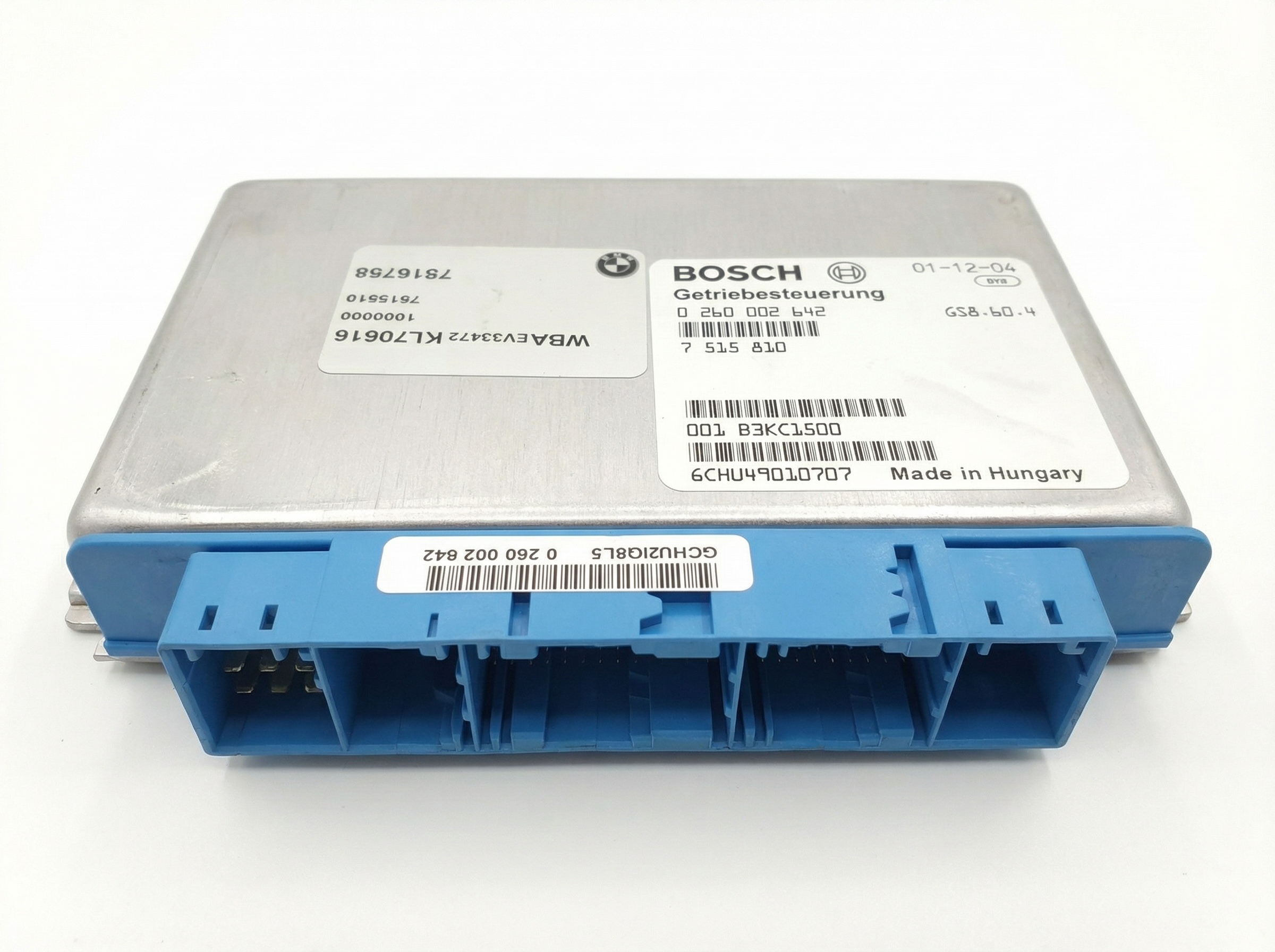

Is your BMW's transmission acting up? A failing Transmission Control Module (TCM) could be the culprit. Here's how to tell:
Warning signs of a failing TCM:
- Erratic Shifting: The transmission shifts roughly, at the wrong times, or not at all.
- Stuck in Gear: The transmission gets stuck in a particular gear and won't shift.
- Transmission Slipping: The engine revs high, but the car doesn't accelerate properly.
- Check Engine Light: The check engine light comes on, and a transmission-related code is stored.
- Limp Mode: The transmission goes into "limp mode," limiting speed and gear selection to protect itself.
How to test if the TCM is the problem:
- Check for Diagnostic Trouble Codes (DTCs): Use an OBD-II scanner to read any stored codes. Transmission-related codes often point to a TCM issue.
- Inspect Wiring and Connections: Check the wiring harness and connectors leading to the TCM for damage, corrosion, or loose connections.
- Test Other Components: Rule out other potential causes, such as low transmission fluid, faulty sensors, or a bad valve body. A mechanic can use specialized tools to test these components.
- Consider Professional Diagnosis: If you're unsure, take your car to a qualified mechanic for a professional diagnosis. They can use advanced diagnostic equipment to pinpoint the problem.
Common causes of TCM failure:
- Overheating: Excessive heat can damage the electronic components inside the TCM.
- Vibration: Constant vibration can weaken solder joints and other connections.
- Moisture Intrusion: Water or other fluids can corrode the TCM's internal circuitry.
- Electrical Surges: Voltage spikes can damage the TCM's sensitive electronics.
- Age: Like any electronic component, TCMs can simply wear out over time.