

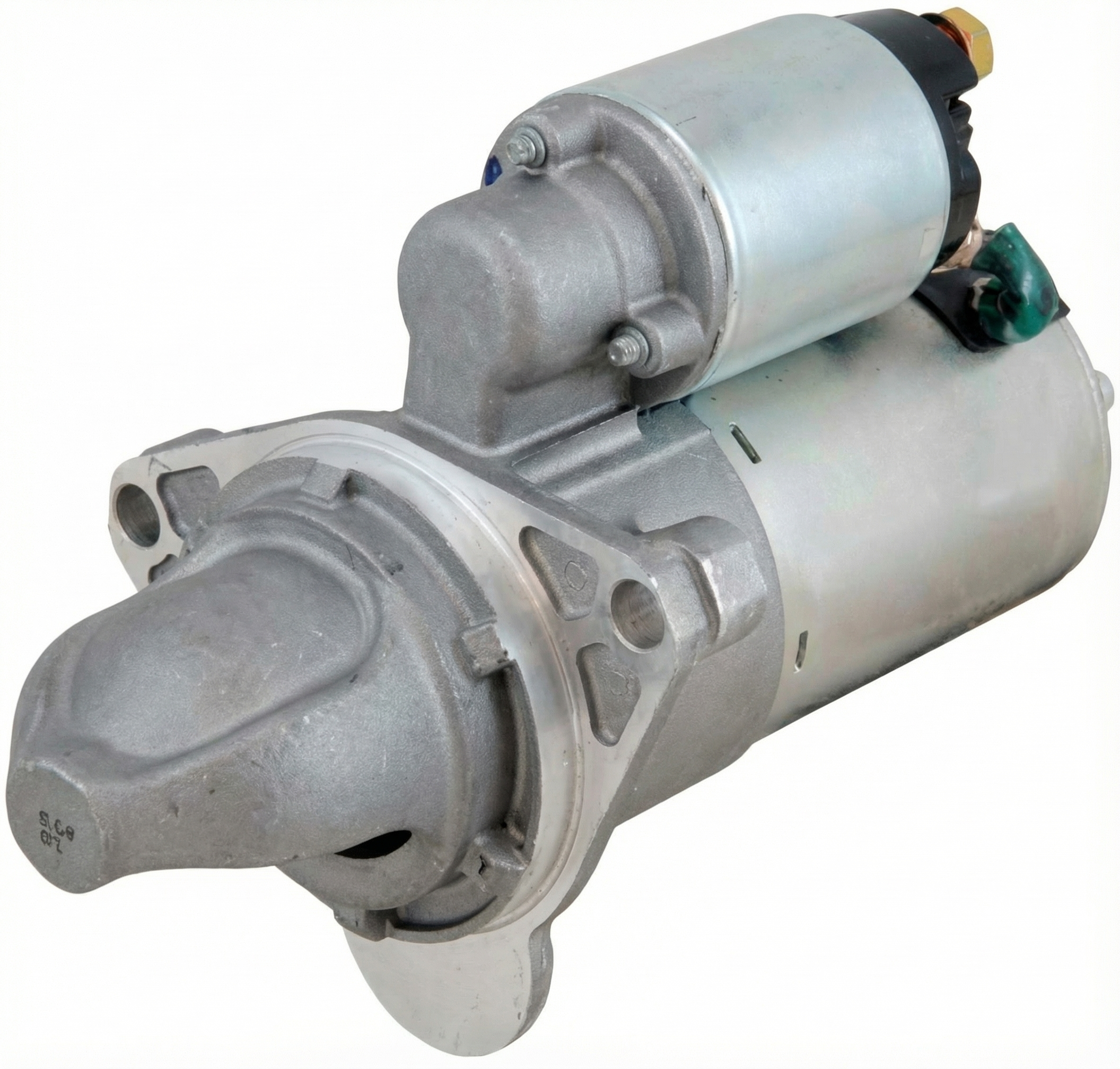

Warning Signs Your Starter Motor is Failing
- Slow or labored engine cranking: The engine turns over slowly or struggles to start.
- Clicking sound when turning the key: You hear a clicking noise but the engine doesn't crank.
- No response when turning the key: Absolutely nothing happens when you turn the key.
- Intermittent starting problems: The car starts sometimes, but not others.
- Grinding noise during starting: A harsh grinding sound indicates worn gears.
How to Test if This Part is the Problem
- Check the battery: Make sure the battery is fully charged and the terminals are clean. A weak battery can mimic starter problems.
- Listen for a click: Have someone turn the key while you listen near the starter. A click means the solenoid is engaging, but the motor might be bad. No click suggests a solenoid or wiring issue.
- Check the wiring: Inspect the wires connected to the starter for corrosion, looseness, or damage.
- Tap the starter: Gently tap the starter with a hammer while someone tries to start the car. If it starts after tapping, the starter is likely failing. This is a temporary test only.
- Have it professionally tested: A mechanic can use specialized equipment to test the starter's performance.
Common Failure Causes for This Part
- Worn brushes: The brushes inside the starter motor wear down over time.
- Faulty solenoid: The solenoid engages the starter motor and can fail due to electrical issues or wear.
- Damaged armature: The armature is the rotating part of the motor and can be damaged by heat or wear.
- Corrosion: Corrosion can build up on the electrical connections, preventing the starter from working properly.
- Heat soak: Excessive heat from the engine can damage the starter motor.