

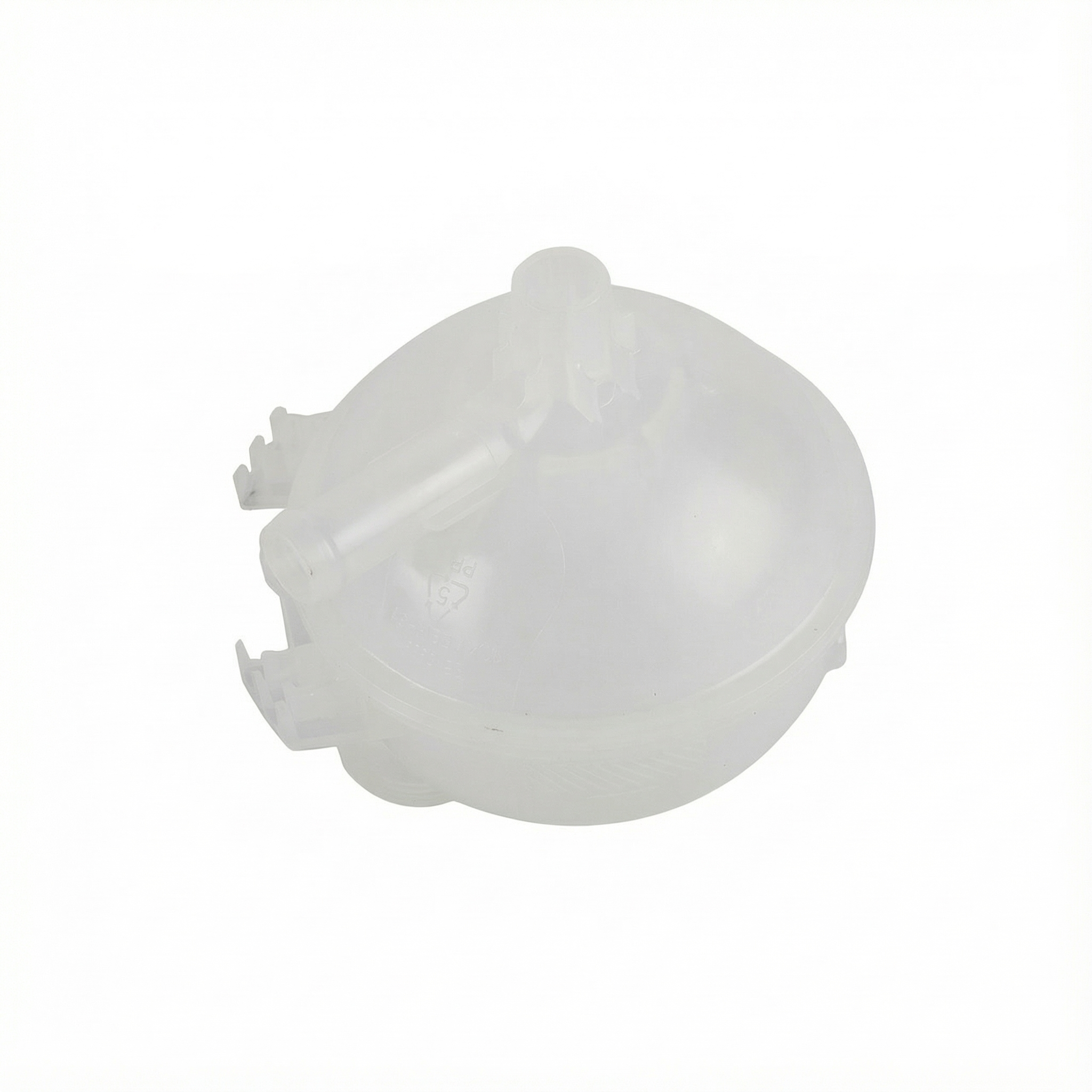

Is your Buick or Chevy overheating? A cracked or leaking coolant reservoir could be the culprit. Here's how to tell if yours is failing:
- Low Coolant Level: This is the most obvious sign. You'll see the coolant level in the reservoir dropping quickly, even after you top it off.
- Overheating Engine: If the reservoir isn't holding coolant properly, your engine can overheat. Watch your temperature gauge!
- Coolant Leaks: Look for puddles of coolant (usually green, pink, or orange) under your car, especially near the front.
- Sweet Smell: Coolant has a distinct sweet smell. If you notice this near your car, it could be a leak.
- Cracked or Damaged Reservoir: Visually inspect the reservoir for cracks, leaks, or other damage.
How to test if the reservoir is the problem:
- Pressure Test: A mechanic can use a pressure tester to check for leaks in the cooling system, including the reservoir.
- Visual Inspection: Carefully examine the reservoir for any visible cracks or damage.
- Leak Check: With the engine running (carefully!), look for coolant leaking from the reservoir or its connections.
Common causes of coolant reservoir failure:
- Age and Heat: Over time, the plastic can become brittle and crack due to constant exposure to heat.
- Pressure: Constant pressure from the cooling system can weaken the reservoir.
- Impact Damage: A minor collision or road debris can crack the reservoir.
- Improper Coolant: Using the wrong type of coolant can corrode the reservoir.