

P0501 on 2007-2017 Jeep Compass: Vehicle Speed Sensor Fault Causes and Fixes
On a 2007-2017 Jeep Compass, code P0501 is almost always caused by a faulty ABS wheel speed sensor. This will also trigger the ABS and traction control warning lights. Replacing the correct sensor is a straightforward DIY fix, with parts costing between $20 and $60.
- P0501 on a 2007-2017 Jeep Compass points to a problem with the ABS wheel speed sensing system, not a transmission sensor.
- The most likely cause is a single failed ABS wheel speed sensor.
- A scanner that can read ABS codes is essential for diagnosis to identify which wheel sensor is at fault.
- This is a common and relatively inexpensive DIY repair, but be prepared for the old sensor to be seized with rust and break upon removal.
- Driving with this code will disable your ABS and traction control systems, so repair it promptly.
What's Unique About the 2007-2017 Jeep Compass
The first-generation Jeep Compass (MK) and its platform mates, the Jeep Patriot and Dodge Caliber, rely exclusively on the ABS wheel speed sensors for vehicle speed data. There is no traditional VSS on the transmission or differential. This is a critical distinction, as it means a P0501 powertrain code is directly linked to a problem in the chassis's ABS. Therefore, diagnosis always begins with scanning the ABS module for codes (like C0031, C0034, etc.), which will pinpoint the exact wheel causing the issue and avoid the common misdiagnosis of replacing a non-existent transmission speed sensor.
Generation note: The 2007-2017 model years cover the entire first generation of the Jeep Compass (MK). A fully redesigned second-generation model was also introduced for the 2017 model year. This guide primarily covers the first generation, which is the more common platform for this year range. The underlying cause (faulty ABS wheel speed sensor) is consistent across the first generation.
Symptoms You May Notice
- Check Engine Light is on
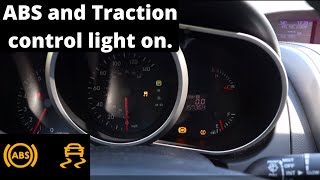
- ABS warning light is on
- Traction Control (or ESP/BAS) warning light is on
- Speedometer is inaccurate, erratic, or not working at all
- Automatic transmission shifts harshly, at the wrong times, or gets stuck in one gear (limp mode)
- Cruise control is inoperative
- 4WD warning light may be on
- Replacing the transmission output speed sensor. On this vehicle, the PCM gets its speed signal from the ABS system, so a transmission sensor will not fix this code.
- Replacing the Powertrain Control Module (PCM). While a PCM failure is theoretically possible, it is extremely rare and should only be considered after all other possibilities have been exhausted.
Most Likely Causes
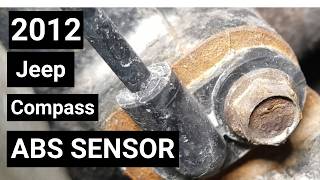
- Faulty ABS Wheel Speed Sensor 🔴 High Probability → Shop ABS Wheel Speed Sensor The wheel speed sensors are exposed to harsh conditions (water, dirt, road salt) which can lead to corrosion and internal failure over time. Vibration and impacts from potholes can also damage the sensor's internal components. It is a very common failure item on this platform.
How to confirm: Scan the ABS control module for codes (e.g., C0031, C0034, C0037, C003A). These codes will point to the specific sensor that has failed (e.g., Left Front, Right Front). You can also use a scan tool with live data capability to monitor the output from each wheel speed sensor while driving; the faulty sensor will show an erratic, zero, or mismatched mph reading compared to the others.
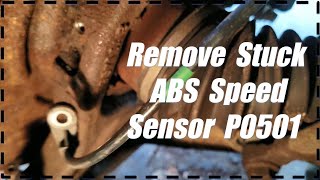
Typical fix: Replace the failed wheel speed sensor at the corresponding wheel hub. The sensor is typically held in by a single 10mm or Allen head bolt. Due to rust, the sensor often breaks during removal, requiring it to be drilled or carefully chiseled out of the steering knuckle. 🎬 Watch: How to remove a stuck ABS sensor
Est. part cost: $20 - $60 - Damaged Wiring or Connector to Wheel Speed Sensor 🟡 Medium Probability → Shop ABS Wheel Speed Sensor The wiring harness leading to each wheel is subject to damage from road debris, suspension movement, and corrosion, especially at the connector. The plastic clips holding the harness can break, allowing the wires to rub or get damaged.
How to confirm: Visually inspect the wiring harness from the back of the wheel hub up into the wheel well. Look for any signs of chafing, breaks, green corrosion, or melted plastic. A multimeter can be used to check for continuity between the sensor connector and the ABS module connector and to verify proper voltage (usually a 5V or 12V reference) at the sensor plug with the key on.
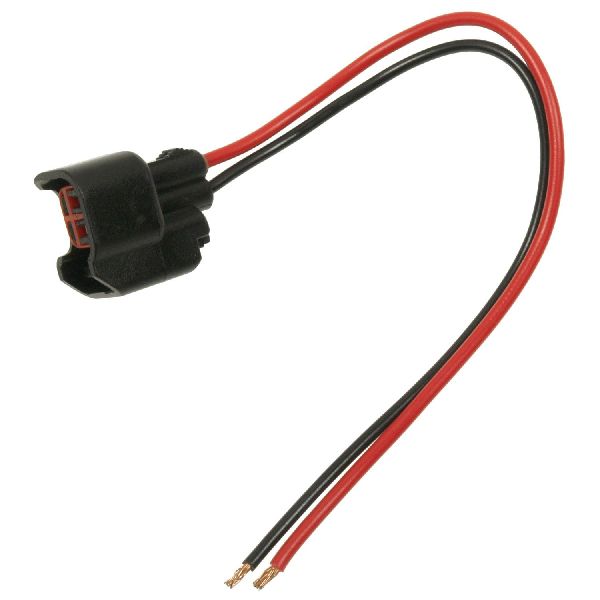
Typical fix: Repair the damaged section of wire or replace the connector pigtail. Secure the harness with new clips or zip ties to prevent future damage.
Est. part cost: $10 - $30 - Damaged or Corroded Tone Ring ⚪ Low Probability The tone ring, which the ABS sensor reads, is part of the wheel bearing/hub assembly or CV axle. Rust can build up underneath the ring, causing it to swell, crack, or lose teeth, which provides an erratic signal to the sensor.
How to confirm: With the wheel and brake components removed, visually inspect the toothed or magnetic ring that the sensor points at. Look for cracks, missing teeth, or heavy rust scale that could interfere with the sensor's reading.
Typical fix: If the tone ring is part of the CV axle, the axle must be replaced. If it is integrated into the wheel bearing hub, the entire hub assembly needs to be replaced. In some cases, a separate tone ring can be purchased and installed.
Est. part cost: $50 - $150
Rare But Worth Checking
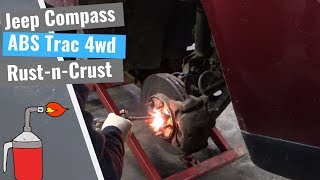
- Faulty ABS Control Module: This is uncommon, but if multiple wheel speed sensor codes are present and the sensors/wiring test good, the ABS module itself could be the issue. This often requires professional diagnosis. 🎬 See how to diagnose ABS, Traction, and 4WD lights
- Mismatched Tire Sizes: Having significantly different tire sizes or wear levels between the axles can cause the wheels to rotate at different speeds, which the ABS module may interpret as a fault, triggering a P0501 code.
- Faulty Totally Integrated Power Module (TIPM): The TIPM on these vehicles is a known failure point and can cause a wide range of bizarre electrical issues, including communication errors that could potentially trigger a P0501 code. This is a last resort after all other sensor and wiring issues have been ruled out.
Diagnosis Steps
- Connect an OBD-II scanner capable of reading ABS codes to the vehicle's diagnostic port.
- Scan for codes in both the Powertrain Control Module (PCM) and the Anti-lock Brake System (ABS) module.
- Identify the specific wheel speed sensor code (e.g., C0034 for Right Front Wheel Speed Sensor Circuit). This will tell you which corner of the vehicle to focus on.
- Raise and safely support the vehicle.
- Visually inspect the identified wheel speed sensor and its wiring harness for any obvious damage, corrosion, or loose connections.
- If the wiring looks good, the next step is typically to replace the wheel speed sensor. They are often seized in the steering knuckle due to rust and may break during removal. Applying penetrating oil and gently twisting can help, but be prepared to drill out the old plastic sensor body if it breaks.
- While the sensor is removed, use a small pick or brush to clean any rust or debris from the sensor mounting hole and inspect the tone ring on the hub or CV axle for damage or excessive rust.
- Install the new sensor and ensure it is fully seated. Reconnect the wiring harness.
- After replacing the sensor, clear all codes from the PCM and ABS modules using the scan tool.
- Take the vehicle for a test drive to ensure the warning lights do not return and the speedometer and transmission function correctly. The ABS light may stay on until the vehicle reaches a certain speed (e.g., 10-15 mph) allowing the module to verify the new sensor's signal.
Parts You'll Likely Need
- ABS Wheel Speed Sensor
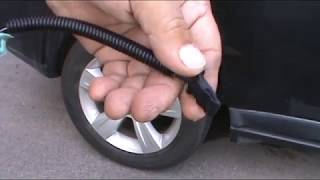
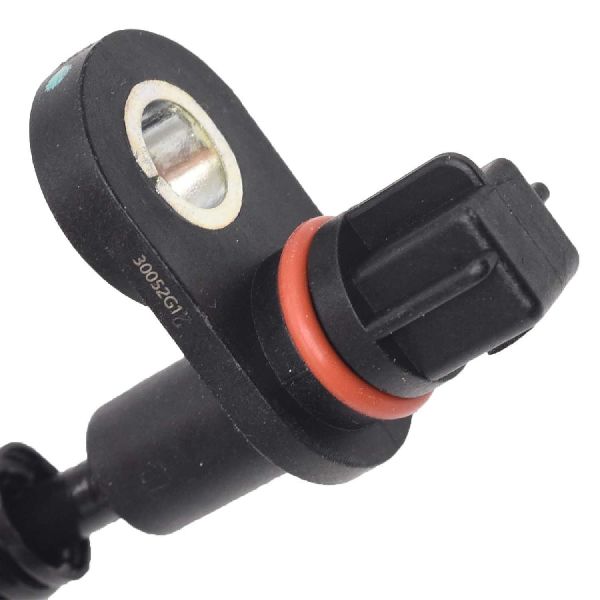
(OEM #Front Left: 5105573AA (or 5105573AB); Front Right: 5105572AA (or 5105572AB); 🎬 Watch: Front ABS wheel speed sensor replacement walkthrough Rear: 5154230AF (or superseding numbers))— This is the most common failure point for a P0501 code on the Jeep Compass, as it provides the primary speed signal to the vehicle's computers.
Trusted brands: Mopar, Dorman, Standard Motor Products (SMP), Delphi, NTK/NGK
OEM price range: $50-$90
Aftermarket price range: $20-$60
Related Codes That Often Appear With This One
- C0031 - C003A — These are ABS-specific codes that pinpoint which wheel speed sensor circuit is malfunctioning. A P0501 will almost always be accompanied by one of these codes.
- U1409, U140A, U140B, U140C — These are communication codes indicating an implausible wheel speed signal was received by the Totally Integrated Power Module (TIPM) or another module. They directly correlate to a faulty wheel speed sensor.
Platform-Specific Known Issues
- The plastic body of the wheel speed sensor frequently becomes seized in the cast iron steering knuckle due to rust. It is very common for the sensor to break off during removal, leaving the lower portion stuck in the knuckle. This often requires carefully drilling, melting, or chiseling out the remaining plastic piece to install the new sensor. A YouTube video by 'G Automotive' demonstrates techniques for removing a stuck sensor.
- The wiring harness for the front sensors can be damaged by rubbing or impacts, especially if the plastic retaining clips have broken. A thorough inspection of the harness is crucial.
Mechanic-Grade Diagnostic Values
- Wheel Speed Sensor Supply Voltage — expected: 11-12 Volts DC (with key on, engine off, measured at the harness connector unplugged from the sensor). Failure: Significantly lower voltage or no voltage indicates a wiring issue, a blown fuse, or a problem with the ABS module's output.
- Wheel Speed Sensor Signal (Connected) — expected: Voltage should fluctuate slightly or show a changing frequency on a graphing multimeter/oscilloscope as the wheel is spun.. Failure: If supply voltage is present but the signal voltage does not change when the wheel is spun, the sensor itself is likely faulty.
Wiring & Ground Locations
- ABS Fuses #33, #34, #35 — Located in the main fuse box (Totally Integrated Power Module - TIPM) under the front hood.. Fuse #33 (10A) provides power to the ABS module itself. Fuse #34 (30A) powers the antilock brake valve, and #35 (40A) powers the pump. A loss of power to the module from a blown fuse will disable the system and can set communication codes alongside the P0501.
- G200 Ground — On some wiring diagrams for the platform, G200 is shown as a primary ground point located on the left side of the dash.. A poor ground connection for the ABS module can cause erratic behavior and intermittent fault codes. Verifying this ground is clean and tight is a crucial step if sensor and wiring tests are inconclusive.
Real Owner Repair Stories
- Jeep Patriot Forum user (2016 Jeep Patriot (same platform)) — ABS, traction control, and check engine lights on with code P0501 and a corresponding ABS code for the left front wheel.
❌ Tried (didn't work) Replacing the left front wheel speed sensor with a new aftermarket part.
✅ What actually fixed it The code returned immediately. After extensive testing of the wiring, the mechanic swapped the new aftermarket sensor with a new OEM Mopar sensor, which resolved the issue. The conclusion was that the new aftermarket sensor was defective out of the box. - Dodge Caliber Forum user (2009 Dodge Caliber (same platform)) — P0501 code, erratic speedometer, and ABS/Traction lights. ABS code pointed to the right rear wheel.
❌ Tried (didn't work) Replaced the right rear ABS sensor., Checked wiring harness for continuity back to the ABS module, which tested good.
✅ What actually fixed it The wheel bearing was not making any noise and had no noticeable play. However, upon removing the hub assembly, a visual inspection revealed a hairline crack in the magnetic tone ring that was integrated into the bearing's seal. Replacing the entire wheel hub assembly finally fixed the problem.
OEM Part Supersession History
5105573AA→5105573AB— Standard part revision by manufacturer.
Heads up: The parts are interchangeable. The newer part number is the current replacement.5105572AA→5105572AB— Standard part revision by manufacturer.
Heads up: The parts are interchangeable. The newer part number is the current replacement.
Diagnostic Flowchart
Other Known Issues on This Vehicle
Issues unrelated to this code that are worth knowing about as an owner of this generation:
- Front and Rear Subframe Corrosion 🔴 High — Very common, especially in salt-belt regions. Can lead to structural failure. Chrysler issued a warranty extension (X69) to 10 years for this issue. (Ref: TSB 23-007-17)
- CVT Transmission Overheating and Failure 🔴 High → Shop Transmission Assembly — Common in earlier models (2007-2012) equipped with the Jatco CVT. Symptoms include whining, slipping, delayed engagement, and overheating warnings.
- Totally Integrated Power Module (TIPM) Failure 🟠 Medium — A widespread issue causing a variety of random electrical problems, such as no-start conditions, fuel pump issues, and lights malfunctioning.
- Water Leaks into Cabin 🟡 Low — Often reported, typically from clogged sunroof drains, bad seals, or poorly sealed roof seams, leading to wet headliners and floorboards.
- Premature Strut and Control Arm Failure 🟠 Medium — Owners report premature wear of front struts and lower control arm bushings, leading to a rough ride, clunking noises, and alignment issues.
Used vs. New Parts: Buying Guide for This Vehicle
When a used part is the smart pick: For this specific P0501 fault, buying a used ABS wheel speed sensor is NOT recommended due to its low cost new and high failure rate. However, if the root cause is a faulty ABS Control Module, a used module from a reputable salvage yard with a warranty can be a cost-effective alternative to a new unit, provided it is the exact same part number.
Donor-vehicle mileage cap: roughly under 80000 miles for the part to have meaningful remaining life.
What to inspect on the donor part:
- For an ABS Module: Ensure the donor vehicle was not in a flood and has no signs of fire or major electrical damage.
- Check that all connector pins on the used module are straight and free of corrosion.
- Verify the part number on the used module EXACTLY matches the original part.
OEM-only on this vehicle (don't cheap out):
- ABS Control Module: While a used OEM part is an option, it's strongly advised to avoid aftermarket ABS modules for this platform due to potential communication and programming issues.
Aftermarket brands forum-validated for this vehicle:
- NTK
- Standard Motor Products (SMP)
- Delphi
- Bosch
Brands owners have reported issues with on this vehicle:
- Generic, unbranded sensors from online marketplaces have a higher reported rate of being dead-on-arrival or failing prematurely according to forum discussions.
Real Owner Stories
Aggregated from forums and TSBs cited above. Mileages and costs reflect what owners reported in those sources.
2016 Jeep Compass
Symptoms: Persistent warning lights even after replacing parts because the new sensor would not clip in correctly due to a rusty mounting surface.
What fixed it: Thoroughly cleaning the mounting area/surface to allow the sensor to seat properly.
Source hint: Reddit r/JeepCompass thread titled 'Wheel speed sensor and other issues Jeep Compass'
2007-2017 Jeep Compass
Symptoms: P0501 (VSS issue) and a possible ABS malfunction; owner recognized the link between the powertrain code and the ABS system.
What fixed it: Scanning for ABS codes first to identify the specific failed wheel speed sensor circuit.
Source hint: Jeeps.net Forum thread titled 'P0501 (VSS issue) and a possible ABS malfunction?'
Related OBD-II Codes
Frequently Asked Questions
Why is my 2007-2017 Jeep Compass stuck in 'limp mode' with a P0501 code?
My ABS and Traction Control lights are on along with P0501; are they related?
Does the subframe corrosion TSB 23-007-17 affect my speed sensor issues?
Can I just replace the sensor, or do I need a whole new CV axle?
Why did my ABS light stay on after I finished the repair?
Is there a specific trick for removing a stuck sensor on a Jeep Compass?
Helpful Videos
We Have This Part in Stock


The information in this article is provided for general reference and educational purposes only. Vehicle specifications, procedures, and part compatibility can vary by production date, trim level, and region. Always consult your vehicle's factory service manual and verify part numbers before purchasing or performing repairs. Safety-critical components such as airbags, seat belts, and braking systems should be installed by a qualified professional.
- Jeep Compass:
- 🧭 Diagnostic Flowchart
- 🎬 Helpful Videos
- 🛍️ Shop This Part
- What's Unique About the 2007-2017 Jeep Compass
- Symptoms You May Notice
- Most Likely Causes
- Rare But Worth Checking
- Diagnosis Steps
- Parts You'll Likely Need
- Related Codes That Often Appear With This One
- Platform-Specific Known Issues
- Mechanic-Grade Diagnostic Values
- Wiring & Ground Locations
- Real Owner Repair Stories
- OEM Part Supersession History
- Other Known Issues on This Vehicle
- Used vs. New Parts: Buying Guide for This Vehicle
- Real Owner Stories
- 2016 Jeep Compass
- 2007-2017 Jeep Compass
- Related OBD-II Codes
- Frequently Asked Questions
- 🎟️ Get 5% Off