

P0700 on 2002-2004 Ford Explorer: Transmission Fault Causes and Fixes
P0700 on a 2002-2004 Explorer means the transmission has a problem. Most often, it's a failed solenoid block in the 5R55W/S transmission, a fix costing around $200-$350 for the part. You must scan for more specific transmission codes to know the exact cause, as P0700 is just a general fault indicator.
- P0700 is a general alert; you MUST use a capable scanner to find the specific transmission codes that caused it.
- The most likely cause on a 2002-2004 Explorer is a failed transmission solenoid block.
- Always check the transmission fluid level and condition first, as it's a simple and inexpensive check.
- A flashing 'O/D OFF' light is a strong indicator of the same faults that trigger a P0700 code.
- Do not immediately assume a costly transmission rebuild is needed; the problem is often a single, replaceable component.
What's Unique About the 2002-2004 Ford Explorer
The 2002-2004 Ford Explorer uses the 5R55W or 5R55S automatic transmission, which is known for a very common failure of the main solenoid block. This part controls fluid flow for shifting, and when it fails, it can cause a wide range of shifting problems and trigger the P0700 code. Many owners experience a flashing Overdrive (O/D) light along with the Check Engine Light as a primary symptom of this solenoid failure. Another frequent and well-documented issue is wear in the transmission case's servo bores, leading to pressure loss and shift flares, especially when the fluid is warm.
Symptoms You May Notice
- Check Engine Light is on
- Flashing Overdrive ('O/D OFF') light on the gear shifter
- Harsh, erratic, or delayed gear shifts
- Transmission slipping between gears
- Shift flares (engine RPMs shoot up between shifts), especially the 2-3 or 4-5 shift when warm
- Vehicle entering 'limp mode' (stuck in one gear, usually 2nd or 3rd)
- Stalling when coming to a stop
- No engagement or delayed engagement when shifting into Drive or Reverse
- Burning smell from overheating transmission fluid
- Replacing only the Transmission Control Module (TCM) without checking for other codes. The P0700 code is a signal from the TCM, not necessarily a failure of the TCM itself.
- Assuming the transmission needs a full rebuild immediately. Often, the issue is a replaceable component like the solenoid block or a servo bore kit, which is much less expensive.
- Replacing the solenoid pack when the true cause is worn servo bores. A forum user reported: 'I changed the fluid, filter and solenoid pack. I reset the codes and the symptoms are still the same.' This points towards the servo bore issue which presents with similar symptoms.
Most Likely Causes
- Failed Transmission Solenoid Block/Pack 🔴 High Probability → Shop Transmission Valve Body The 5R55W/S transmission used in this generation of Explorer is widely known for solenoid block failures. The solenoids wear out electrically or get clogged with debris over time, leading to incorrect fluid pressure and shifting problems. This is often the first part replaced when chasing P0700-related shift issues.
How to confirm: Scan the TCM for specific solenoid-related codes (e.g., P0750-P0770, P1747). A mechanic can also perform a pressure test or test the solenoids' electrical resistance with a multimeter after removing the transmission pan.
Typical fix: Replace the entire solenoid block assembly. This part is located inside the transmission on the valve body and is accessible after dropping the fluid pan. It is critical to use the correct part number for your model year.
Est. part cost: $200 - $350 - Worn Servo Bores 🔴 High Probability The aluminum case of the 5R55 transmission can wear where the steel servo pins actuate, causing hydraulic pressure leaks. This leads to poor band application, resulting in shift flares (especially 2-3 and 4-5) and delayed shifts that worsen as the transmission warms up. This problem is so common that aftermarket kits are available to fix it without removing the transmission.
How to confirm: This is typically diagnosed by symptoms after solenoids are ruled out. Key indicators are shift flares that get worse when hot, and codes like P0732, P0733, P0735, or P0775. A user on explorerforum.com noted, 'It doesn't want to shift into 2nd or overdrive, it gets up to high RPMs in first then seems to go right to 3rd gear. It also gets worse after it warms up.'
Typical fix: Install an aftermarket servo bore repair kit (e.g., from AJ1E Superior Solutions) which uses o-rings to seal the worn bores. This can be done without removing the transmission. The traditional fix is to ream the case and install oversized sleeves, which requires transmission removal.
Est. part cost: $100 - $250 for a DIY repair kit, but labor is significant for the sleeving method. - Low or Degraded Transmission Fluid 🟡 Medium Probability → Shop Transmission Assembly Leaks from pan gaskets, seals, or servo covers can lead to low fluid levels. The 5R55 transmission is sensitive to fluid condition and level, affecting hydraulic pressure. TSB 04B22 was issued for improperly formulated fluid causing delayed/harsh reverse, which could be fixed with an additive.
How to confirm: Check the transmission fluid dipstick with the engine warm and running in Park. The fluid should be at the correct level and bright red. If it's dark brown, black, or smells burnt, it's degraded.
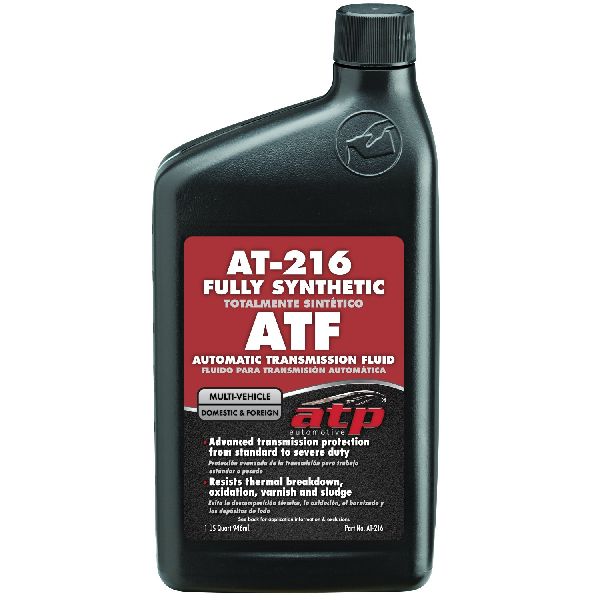
Typical fix: If low, top off with the correct fluid (Motorcraft MERCON V). If degraded, perform a transmission fluid and filter change. Address any leaks found. If symptoms match TSB 04B22, a fluid additive may be prescribed by a dealer.
Est. part cost: $50 - $150
Rare But Worth Checking
- Failed Transmission Control Module (TCM): → Shop Transmission Assembly While rare, the TCM can fail. This is usually suspected only after all other possibilities (fluid, solenoids, wiring) have been thoroughly checked. If a scanner cannot communicate with the TCM at all, or if P0700 appears with no other codes, the TCM itself might be the issue.
- Damaged Wiring Harness: The wiring harness leading to or inside the transmission can be damaged by heat from the exhaust, corrosion, or chafing, causing intermittent signals to the solenoids and sensors. A visual inspection of the harness where it connects to the transmission case is a good first step.
Diagnosis Steps
- Scan for All Codes: Use an OBD-II scanner capable of reading transmission codes. Do not stop at P0700. Record all P07xx and P17xx codes, as these will point to the specific fault.
- Check Transmission Fluid: → Shop Transmission Assembly With the engine warm and running in Park, check the transmission fluid level and condition. The fluid should be bright red and not smell burnt. Low or burnt fluid is the first sign of trouble.
- Analyze Additional Codes: The other codes are your guide. A solenoid circuit code (e.g., P0755) points to the solenoid pack. A gear ratio error (e.g., P0733) accompanied by shift flares when hot strongly suggests worn servo bores.
- Inspect Wiring: Visually inspect the wiring harness going to the transmission for any obvious signs of damage, melting, or corrosion at the main connector.
- Drop the Transmission Pan: → Shop Transmission Assembly If a solenoid or internal part is suspected, the next step is to drain the fluid and remove the pan. Inspect the fluid in the pan for excessive metal shavings (a fine gray paste on the magnet is normal), which indicate severe mechanical wear.
- Test Components: With the pan off, the solenoid block can be removed and its solenoids tested for correct resistance with a multimeter. This is the point where most DIYers will either replace the solenoid block or take the vehicle to a professional.
- Address TSBs: Check for any Technical Service Bulletins (TSBs) that match your symptoms. For example, TSB 04B22 mentions issues with delayed/harsh reverse engagement due to fluid formulation, which could be addressed with a fluid additive.
Parts You'll Likely Need
- Transmission Solenoid Block
(OEM #9L2Z-7G391-A (replaces 4L2Z-7G391-AA))— This is the most frequent point of failure in the 5R55W/S transmission that leads to a P0700 code and various shifting problems. Verify fitment with VIN.
Trusted brands: Motorcraft, Dorman, Rostra
OEM price range: $300-$400
Aftermarket price range: $180-$310 - Servo Bore O-Ring Repair Kit — If symptoms include shift flares when hot, this aftermarket kit is often the correct fix instead of, or in addition to, the solenoid pack.
Trusted brands: AJ1E Superior Solutions
OEM price range: N/A
Aftermarket price range: $150-$250
Related Codes That Often Appear With This One
- P0731-P0735 — These codes indicate an incorrect gear ratio for a specific gear, often caused by slipping. This can be a symptom of a failing solenoid, low fluid pressure, or worn servo bores.
- P0740-P0770 — These codes point directly to faults in the torque converter clutch or specific shift solenoids, which are common root causes for P0700 on this vehicle.
- P1747 — This is a Ford-specific code that often points to an issue with the Electronic Pressure Control (EPC) solenoid, which is part of the solenoid block.
- P0775 — This code for 'Pressure Control Solenoid B Circuit Malfunction' is very commonly associated with the worn servo bore issue, even though it points to a solenoid. The pressure loss from the worn bore is what triggers the code.
Technical Service Bulletins (TSBs) & Recalls
- TSB 04B22 / 05-6-12: Addresses delayed or harsh reverse engagement on 5R55S transmissions. The fix could involve a fluid additive or updated solenoids.
- TSB 02-25-6 / 04-8-5: Related to the non-P0700 issue of the cracking rear liftgate appliqué panel.
Platform-Specific Known Issues
- Flashing O/D Light: On this Explorer, a flashing overdrive light is a classic sign of a transmission fault, almost always accompanying the P0700 code and pointing towards an internal electronic or hydraulic issue.
- Delayed/Harsh Reverse: TSB 04B22 and 05-6-12 were issued for this specific problem on 5R55S transmissions, sometimes caused by fluid issues or requiring updated pressure control solenoids.
- Symptom Worsens When Hot: A key diagnostic clue for this platform is when shifting problems (especially flares between gears) appear or get significantly worse after the vehicle has been driven for 20-30 minutes. This strongly points to internal hydraulic leaks, most commonly from worn servo bores.
Mechanic-Grade Diagnostic Values
- Shift Solenoid (SSA, SSB, SSC, SSD) Resistance — expected: 16 - 45 Ohms. Failure: A reading outside this range indicates a failed solenoid coil.
- Torque Converter Clutch (TCC) Solenoid Resistance — expected: 9 - 16 Ohms. Failure: A reading outside this range indicates a failed TCC solenoid coil.
- Pressure Control (PC-A, PC-B, PC-C) Solenoid Resistance — expected: 3.3 - 7.5 Ohms. Failure: A reading outside this range indicates a failed pressure control solenoid coil.
- Transmission Line Pressure at Idle (In Park or Neutral) — expected: 75 - 120 psi. Failure: Pressure below this range can indicate a weak pump, internal leaks (like worn servo bores), or a faulty pressure control solenoid.
- Solenoid Power Supply Voltage — expected: Battery Voltage (approx. 12V with key on, 13.5-14.5V with engine running). Failure: No voltage at Pin 3 of the main transmission connector indicates a blown fuse (Fuse 37 on a 2005 model) or a break in the power supply wire.
Scan Tool Commands That Help
- Ford IDS / High-End Professional Scanner: Trans-Bench Mode / Solenoid ON/OFF Test — This command allows a technician to individually activate and deactivate each shift and pressure control solenoid to verify its mechanical and electrical operation without a road test. It helps isolate a single sticking or electrically failed solenoid within the pack.
- Ford IDS / Snap-on / Autel: Clear Transmission Adaptive Tables — This function must be performed after replacing the solenoid block or valve body. The TCM stores learned values for shift timing and pressures; failing to reset these adaptives can cause continued harsh shifting or erratic behavior even with new parts as the TCM tries to use old, incorrect data.
Wiring & Ground Locations
- Main Transmission Connector (C167) — On the driver's side of the transmission case, where the external harness connects.. Pin 3 is the power feed for all solenoids, supplied by a fuse (e.g., Fuse 37 in a '05 Explorer). Corrosion on this specific pin or others in the connector can cause multiple, seemingly unrelated solenoid codes and is a common point of failure due to water intrusion.
- G101 — At the left front of the engine compartment, often near the battery ground connection.. This is a primary chassis and powertrain ground. A poor connection here can cause a host of electrical issues, including erratic behavior from the PCM and TCM, which rely on a stable ground reference for sensor and solenoid operation.
- G104 — At the left front of the engine compartment.. Another critical engine compartment ground point. Verifying it is clean and tight is a key step in diagnosing any electronic control module faults, including transmission codes.
Real Owner Repair Stories
- Ford Truck Enthusiasts Forum User (2003 Ford Explorer 4x4 5R55W) — O/D light flashing, Check Engine Light on with code P0775 (Solenoid B Malfunction), transmission would not shift into 2nd or 5th gear.
❌ Tried (didn't work) Replaced the entire transmission shift solenoid pack with a new Ford part.
✅ What actually fixed it The user confirmed the Overdrive band was not broken and that wiring resistance was good. The symptoms described (no 2nd/5th gear, P0775 code, and a new solenoid not fixing it) are classic indicators of the worn servo bore issue, which was the likely underlying cause. - AJ1E Superior Solutions Customer Testimonial (2002 Ford Explorer) — Flashing O/D light, loss of 2nd and 5th gears.
❌ Tried (didn't work) Initial diagnosis pointed towards a major transmission failure requiring a rebuild.
✅ What actually fixed it The owner installed an aftermarket Overdrive servo with integrated O-rings (the servo bore fix kit) instead of replacing the solenoid or rebuilding the transmission. This resolved the issue completely. - Reddit user on r/FordExplorer (2002 Explorer with 250,000 miles) — Shift flaring between gears.
❌ Tried (didn't work) A previous transmission rebuild at 140,000 miles for the same issue.
✅ What actually fixed it The owner installed the AJ1E servo bore o-ring kit. The fix was reported to be successful and had lasted for two years with no further issues.
"I Checked Everything" — The Actual Cause
- The most common scenario fitting this pattern is when a technician replaces the solenoid block to fix shift flares or specific gear ratio codes (like P0775), but the problem persists. The actual cause is often not electrical, but a mechanical-hydraulic leak from worn servo bores in the aluminum transmission case. The pressure loss from the worn bore mimics a solenoid control problem, leading to the misdiagnosis. The correct fix is to install an aftermarket servo kit with O-rings or to have the case re-sleeved.
When the Usual Fixes Don't Work
- In a notable case from an owner forum, a user with a 2007 Sport Trac (which uses the same transmission family) experienced stalling and erratic shifting. After replacing the solenoid pack with a 'new' unit, the truck lost reverse gear entirely. The owner re-installed the original, high-mileage solenoid pack, and the reverse gear function returned, though other issues remained. This serves as a strong counterpoint to immediately trusting that a new part is a good part, especially with remanufactured or non-OEM electronics, and highlights the risk of introducing new problems during a repair.
OEM Part Supersession History
1L2Z-7G391-AG→N/A - This is the correct part for early models.— This is the early design solenoid pack required for 2002-2003 model year Explorers.
Heads up: Do NOT use the later 9L2Z-7G391-A pack on a 2002-2003 vehicle. While it may fit, it delivers slightly different hydraulic pressures that can cause shift flares or other shifting problems.4L2Z-7G391-AA→9L2Z-7G391-A— The 9L2Z-7G391-A is the updated design for 2004 and newer models, replacing the original part for this range.
Heads up: This later-style pack should only be used on 2004+ models. Using it on an earlier vehicle can cause shift quality issues.
Model Year Variations Within This Range
- 2002: Typically equipped with the 5R55W ('W' for Wide-ratio) transmission. These models require the early-style solenoid pack (P/N 1L2Z-7G391-AG).
- 2003-2004: Typically equipped with the 5R55S ('S' for Synchronous) transmission, which has different 2nd and 5th gear ratios and an added Intermediate Speed Sensor (ISS) for more precise shift control. 2003 models use the early solenoid pack, while 2004 models use the later, updated pack (9L2Z-7G391-A).
Diagnostic Flowchart
Other Known Issues on This Vehicle
Issues unrelated to this code that are worth knowing about as an owner of this generation:
- Cracked Rear Liftgate Appliqué Panel 🟠 Medium — Extremely common across the 2002-2005 generation. The plastic panel below the rear window cracks, often starting near the Ford emblem. (Ref: Multiple TSBs were issued (e.g., 02-25-6, 04-8-5), and it led to class-action lawsuits, but no official recall was mandated for the crack itself.)
- 4.0L SOHC V6 Timing Chain Cassette Failure 🔴 High — A notorious and widespread issue. Plastic timing chain guides break, causing a 'rattling' or 'marbles' sound, especially on startup. Failure can lead to catastrophic engine damage. Issues often appear between 80,000-150,000 miles. (Ref: No recall, but it is a well-documented failure. The rear cassette is particularly labor-intensive to replace, often requiring engine or transmission removal.)
- Worn Wheel Bearings / Hub Assemblies 🟠 Medium — Front and rear wheel bearings are a common wear item, often failing before 100,000 miles, causing a humming or grinding noise that changes with speed.
- Cracked Plastic Thermostat Housing 🟠 Medium — The OEM thermostat housing is made of plastic and is prone to developing cracks over time, leading to coolant leaks. This is a common failure point on both the V6 and V8 engines.
- Blend Door Actuator Failure 🟡 Low — Common failure in the HVAC system, causing a clicking sound from the dashboard and an inability to control air temperature or direction.
Used vs. New Parts: Buying Guide for This Vehicle
When a used part is the smart pick: A complete used transmission assembly from a low-mileage donor vehicle can be a cost-effective alternative to a full rebuild, especially if the case or hard parts in the original transmission are damaged. A warranty from the salvage yard is essential.
Donor-vehicle mileage cap: roughly under 100000 miles for the part to have meaningful remaining life.
What to inspect on the donor part:
- Verify the donor vehicle's mileage and check its VIN for accident history.
- If possible, inspect the transmission fluid from the donor; it should be reddish and not smell burnt.
- Inspect the transmission case for cracks or damage, especially around mounting points and the connector.
- Obtain a minimum 30-90 day warranty from the salvage yard.
OEM-only on this vehicle (don't cheap out):
- Transmission Solenoid Block: Due to precise calibration and high failure rates of cheap aftermarket units, it is strongly recommended to use an OEM Motorcraft/Bosch part or a reputable, professionally remanufactured unit to avoid compatibility issues and premature failure.
Aftermarket brands forum-validated for this vehicle:
- AJ1E Superior Solutions: Widely praised on forums for their patented servo piston kit that provides a durable fix for the common worn servo bore issue without transmission removal.
- Sonnax: A well-respected brand for professional-grade transmission repair parts, including valve body upgrade kits and servo bore sleeve kits.
- TransGo: Known for performance-oriented valve body shift kits that can correct several common issues and improve shift firmness.
Brands owners have reported issues with on this vehicle:
- Unbranded, low-cost solenoid packs from online marketplaces (e.g., eBay, Amazon) are frequently reported by owners to be dead-on-arrival, incompatible, or failing within a short period, often causing new and confusing symptoms.
Real Owner Stories
Aggregated from forums and TSBs cited above. Mileages and costs reflect what owners reported in those sources.
2002-2004 Ford Explorer
Symptoms: The vehicle had a P0700 and a specific P1747 code along with a flashing O/D OFF light.
What fixed it: Replacement of the transmission solenoid block assembly.
Source hint: explorerforum.com thread titled 'p0700-and-p1747-and-flashing-od-off-light'
2002-2004 Ford Explorer
Symptoms: The transmission doesn't want to shift into 2nd or overdrive; it reaches high RPMs in 1st then jumps straight to 3rd. The symptoms get worse after the vehicle warms up.
What fixed it: Installation of an aftermarket servo bore repair kit after a solenoid pack replacement failed to solve the issue.
Source hint: fordservoboretransmissionfixsolution.com forum post 'bad-sleeves'
Related OBD-II Codes
Frequently Asked Questions
My 2002-2004 Explorer has a flashing 'O/D OFF' light and a P0700 code. What does this mean?
I'm experiencing a harsh or delayed reverse gear in my 5R55S transmission. Is there a known fix?
Why do my transmission shift flares get worse after driving for 20 minutes?
Can I fix the 5R55W/S shift flares without removing the entire transmission?
What specific transmission fluid should I use for my 2002-2004 Explorer to avoid P0700 issues?
Is the P0700 code the only code I need to worry about?
Helpful Videos

We Have This Part in Stock


The information in this article is provided for general reference and educational purposes only. Vehicle specifications, procedures, and part compatibility can vary by production date, trim level, and region. Always consult your vehicle's factory service manual and verify part numbers before purchasing or performing repairs. Safety-critical components such as airbags, seat belts, and braking systems should be installed by a qualified professional.
- Ford Explorer:
- 🧭 Diagnostic Flowchart
- 🎬 Helpful Videos
- 🛍️ Shop This Part
- What's Unique About the 2002-2004 Ford Explorer
- Symptoms You May Notice
- Most Likely Causes
- Rare But Worth Checking
- Diagnosis Steps
- Parts You'll Likely Need
- Related Codes That Often Appear With This One
- Technical Service Bulletins (TSBs) & Recalls
- Platform-Specific Known Issues
- Mechanic-Grade Diagnostic Values
- Scan Tool Commands That Help
- Wiring & Ground Locations
- Real Owner Repair Stories
- "I Checked Everything" — The Actual Cause
- When the Usual Fixes Don't Work
- OEM Part Supersession History
- Model Year Variations Within This Range
- Other Known Issues on This Vehicle
- Used vs. New Parts: Buying Guide for This Vehicle
- Real Owner Stories
- 2002-2004 Ford Explorer
- 2002-2004 Ford Explorer
- Related OBD-II Codes
- Frequently Asked Questions
- 🎟️ Get 5% Off