

P0729 on 2012-2018 Volkswagen Jetta: Gear 6 Incorrect Ratio Causes and Fixes
On a 2012-2018 VW Jetta, code P0729 almost always points to a problem with the automatic transmission, most commonly low/dirty fluid or a failing Mechatronics unit (on DSG models) or valve body (on Tiptronic models). A fluid service costs around $200-$400, while a Mechatronics/valve body replacement can cost $1,500-$3,500+ at a specialist.
- P0729 on a 2012-2018 Jetta indicates a serious transmission issue, specifically with 6th gear.
- The first and most important diagnostic step is to check the transmission fluid level and condition. Use only VW-approved fluid.
- If the fluid is fine, the most likely culprit is a failing Mechatronics unit, a known issue with VW's DSG transmissions.
- This is not a DIY-friendly repair. Due to the complexity of the transmission, professional diagnosis is crucial to avoid unnecessary, expensive part replacements.
- Do not ignore this code. Continued driving will likely lead to more severe and costly transmission damage.
What's Unique About the 2012-2018 Volkswagen Jetta
For the 2012-2018 VW Jetta, this code's meaning depends heavily on which 6-speed automatic is installed. For models with the DSG (Direct-Shift Gearbox, specifically the DQ250), P0729 is a strong indicator of a potential Mechatronics unit failure. The Mechatronics is the complex electro-hydraulic control center of the DSG and is a widely documented weak point. For models with the conventional 6-speed Tiptronic automatic (code 09G), this fault often points to a failing valve body or worn internal solenoids, another known issue for that specific transmission. In both cases, after fluid issues are ruled out, the primary suspect is the transmission's control unit.
Symptoms You May Notice
- Check Engine Light is on
- Flashing 'PRNDS' indicator on the dashboard
- Transmission refuses to shift into 6th gear
- Vehicle enters 'limp mode,' often getting stuck in a lower gear (like 3rd or 5th)
- Harsh, jerky, or delayed shifts, especially when trying to engage 6th gear.
- Transmission slipping, where engine RPMs flare up without an increase in vehicle speed
- Noticeable loss of power and poor acceleration at highway speeds
- Reduced fuel economy.
- Replacing the entire transmission when only the Mechatronics unit (DSG) or valve body (Tiptronic) is faulty. A proper diagnosis by a VW specialist can save thousands of dollars.
- Replacing input/output speed sensors when the root cause is a hydraulic or mechanical issue within the transmission, such as a failing solenoid or worn clutch.
Most Likely Causes
- Low, Burnt, or Incorrect Transmission Fluid 🔴 High Probability → Shop Transmission Assembly Both DSG and Tiptronic transmissions are highly sensitive to fluid level and quality. The fluid provides hydraulic pressure for shifts and cools critical components. Neglecting the 40,000-mile (DSG) or 60,000-mile (Tiptronic) service interval is a common trigger for shifting issues and component failure.
How to confirm: Check the transmission fluid level and condition. This must be done at a specific temperature (usually 35-45°C) using a scan tool and the correct fill procedure via the drain plug. Dark, burnt-smelling fluid indicates excessive wear or clutch material contamination.
Typical fix: Perform a complete transmission fluid and filter service using only the correct VW-approved fluid (e.g., G 052 182 A2 for DQ250 DSG, G 055 025 A2 for 09G Tiptronic).
Est. part cost: $70-$150 - Failing Mechatronics Unit (DSG Models) 🔴 High Probability → Shop Transmission Valve Body The Mechatronics unit in the 6-speed wet-clutch DQ250 DSG transmission is a known failure point. Internal solenoids can fail, circuit boards can crack from thermal stress, and hydraulic pressure can be lost, leading directly to shifting faults like P0729.
How to confirm: Requires advanced diagnostics with a VW-specific scan tool (like VCDS/VAG-COM) to read fault codes directly from the TCM (address 02) and monitor solenoid operation and hydraulic pressures in real-time. A specialist shop will typically diagnose this.
Typical fix: Replacement of the entire Mechatronics unit, followed by a basic settings procedure. Some specialist shops may offer repair services for the original unit.
Est. part cost: $800-$2000 - Failing Valve Body (Tiptronic 09G Models) 🔴 High Probability → Shop Transmission Valve Body The Aisin-Warner 09G transmission is notorious for valve body issues. Solenoids stick or fail, and bores within the aluminum valve body wear out, causing pressure loss that leads to harsh shifts, flares, and incorrect ratio codes.
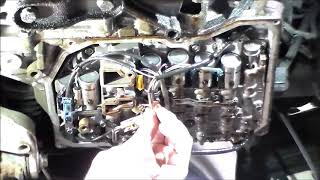
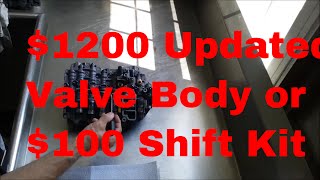
How to confirm: Symptoms are the primary indicator. A transmission specialist can perform pressure tests. Often diagnosed after a fluid change fails to resolve the shifting problems. A YouTube video by 'Operation Overhaul' shows a modification kit designed to address these inherent flaws.
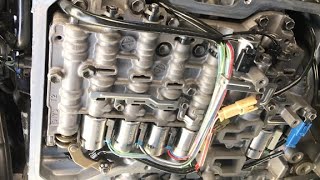
Typical fix: Replacement with an updated, remanufactured valve body is the most common and reliable fix. 🎬 Watch: Step-by-step guide to removing the 09G valve body. Solenoid replacement kits are available but may not solve wear inside the valve body itself.
Est. part cost: $400-$900 - Worn Internal Clutch Packs (DSG Models) 🟡 Medium Probability The dual-clutch packs are wear items. Over time, especially in higher-mileage or aggressively driven vehicles, the clutch material wears down, causing slipping that the TCM detects as an incorrect gear ratio. This is more common if Mechatronics issues were not addressed promptly.
How to confirm: This is typically a diagnosis of exclusion after fluid and Mechatronics issues are ruled out. A transmission specialist may analyze clutch adaptation values with a scan tool and perform a test drive to confirm slip.
Typical fix: Requires transmission removal to replace the dual-clutch assembly. This is a major, labor-intensive repair.
Est. part cost: $500-$1000
Rare But Worth Checking
- Faulty Transmission Speed Sensor (Input/Output): → Shop Transmission Assembly While less common than Mechatronics or valve body failure, a faulty speed sensor can provide incorrect data to the TCM, causing it to miscalculate the gear ratio. This would usually be accompanied by a specific sensor fault code in addition to P0729.
- Weak Battery or Poor Ground Connection: Low system voltage can cause a variety of unpredictable electronic issues in modern cars, including erratic behavior from the Transmission Control Module. Always ensure the battery and charging system are healthy before diving into major transmission repairs.
Diagnosis Steps
- Scan the vehicle for all fault codes using a VW-compatible scanner (like VCDS). Pay close attention to any other codes stored in the Engine (01) and Auto Trans (02) modules.
- Check the transmission fluid level and condition using the manufacturer's specified procedure. This requires the fluid to be at a specific temperature (35-45°C).
- If the fluid is low, top it off with the correct type of fluid. If the fluid is old, burnt, or contaminated, perform a full fluid and filter service. Clear codes and test drive.
- If fluid service does not resolve the issue, use an advanced scan tool to monitor live data. Watch the transmission input and output speed sensors, requested vs. actual gear, and solenoid duty cycles while driving.
- For DSG models, suspect the Mechatronics unit. For Tiptronic (09G) models, suspect the valve body.
- At this stage, a professional diagnosis by a Volkswagen or transmission specialist is highly recommended to confirm the failure before replacing expensive components like the Mechatronics unit, which can cost over $1,800 for the part alone.
Parts You'll Likely Need
- DSG Mechatronics Unit (DQ250)
(OEM #02E927770AQ, 02E927770AL, 02E927770AS)— This is the most common major component to fail on VW DQ250 DSG transmissions, directly causing shifting errors and incorrect ratio codes like P0729.
Trusted brands: Genuine VW/Audi (Temic)
OEM price range: $1200-$2500
Aftermarket price range: $800-$1500 (Remanufactured) - Tiptronic Valve Body (09G)
(OEM #09G325039A, 09G325039F)— The primary failure point for the 6-speed Tiptronic transmission, causing a wide range of shifting problems including P0729.
Trusted brands: Genuine VW/Audi (Aisin), Sonnax (repair kits), TransGo (modification kits) 🎬 Watch: How to remove and replace 09G transmission solenoids.
OEM price range: $800-$1400
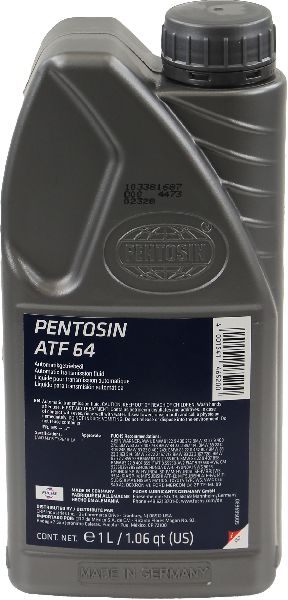
Aftermarket price range: $400-$900 (Remanufactured) - Transmission Service Kit (DSG or Tiptronic) — Low, old, or incorrect fluid is a primary cause of shifting problems. This is the first step in diagnosis and a required maintenance item.
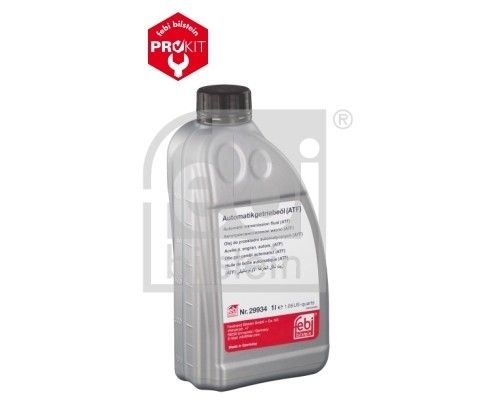
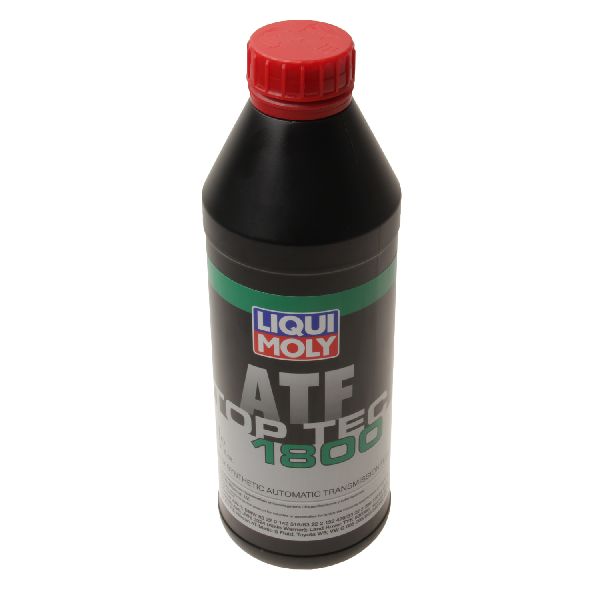
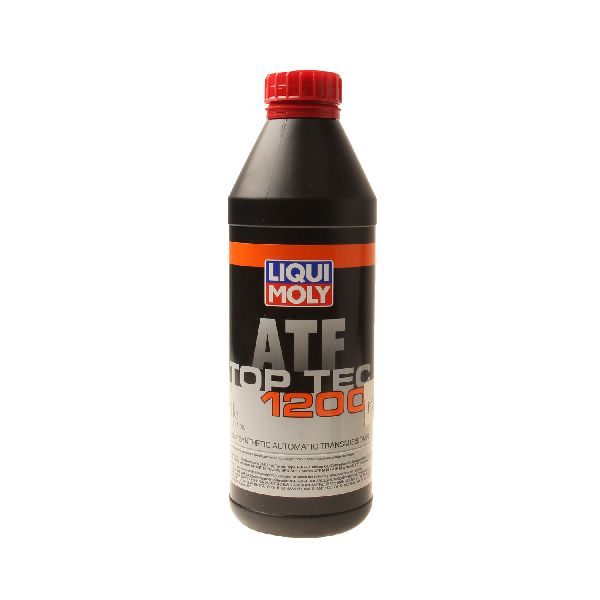
Trusted brands: Liqui Moly, Pentosin, Vaico, Genuine VW/Audi
OEM price range: $120-$200
Aftermarket price range: $70-$150
Related Codes That Often Appear With This One
- P0730 — This is a general 'Incorrect Gear Ratio' code. It often appears with P0729 and other gear-specific codes (P0731-P0735), strengthening the diagnosis of a systemic hydraulic issue like low fluid or a failing Mechatronics/valve body.
- P073x (e.g., P0731, P0732) — Codes for incorrect gear ratios in other gears. If multiple incorrect ratio codes are present, it strongly points to a widespread hydraulic issue rather than a problem isolated to the 6th gear clutch pack.
Technical Service Bulletins (TSBs) & Recalls
- NHTSA ID: 10056223 / VW TSB 69-15-01: Recall 69L2 for a steering wheel clock spring shield. While not directly related to the transmission, widespread electrical issues can sometimes stem from such faults.
- VW Technical Bulletin 87-14-01: Addresses clogged heater cores on some TDI models, a common platform issue.
Platform-Specific Known Issues
- DSG vs. Tiptronic Transmission: → Shop Transmission Assembly The 2012-2018 Jetta was offered with two different 6-speed automatic transmissions. The high-performance GLI models typically used the 6-speed DQ250 DSG, while many other models (like the 2.5L) used the conventional 09G Tiptronic automatic. P0729 on a DSG almost always points to fluid or the Mechatronics unit. On a Tiptronic, it almost always points to fluid or the valve body. It is critical to identify which transmission the vehicle has before attempting diagnosis.
Mechanic-Grade Diagnostic Values
- 09G (Tiptronic) Shift Solenoid Resistance — expected: 5.0 to 7.0 Ohms. When comparing solenoids, they should be within 0.5 Ohms of each other.. Failure: A reading outside this range, or showing continuity between a pin and the solenoid housing (a short), indicates a failed solenoid.
- DQ250 (DSG) Mechatronics Solenoid Resistance (N215/N216) — expected: 5.0 to 6.0 Ohms.. Failure: A significantly different resistance value, or no resistance (open circuit), points to a failure in the solenoid coil or the internal wiring harness (flex tape). This test helps differentiate a repairable solenoid/harness issue from a non-repairable electronic failure in the controller itself.
- VCDS Live Data for Successful DSG Basic Setting — expected: The measuring block field should display '254 | 0 | 0' after 3-6 minutes.. Failure: A display of '254 | 7 | 0' indicates the procedure is still in progress or blocked. A display of '255 | 0 | 0' indicates the basic settings have been interrupted or failed.
Scan Tool Commands That Help
- VCDS (VAG-COM): 02-Auto Trans -> Basic Settings - 04 -> Group 060 / 061 — This is a mandatory procedure after replacing the DQ250 Mechatronics unit. It allows the new unit to perform a calibration of the gear actuators and measure synchronization points. Failure to perform this will result in harsh shifting, fault codes, and potential damage.
- VCDS (VAG-COM): Post-Repair Adaptation Test Drive (DQ250) — After successfully completing the Basic Settings, a specific test drive is required to adapt the clutches. The procedure involves driving through all gears in Tiptronic mode, followed by holding specific gears (3rd/5th, then 4th/6th) at a steady RPM range (2000-3000 RPM) for several minutes.
- Manual Adjustment (09G Tiptronic): Clutch Control Valve Adjusters (K1, K2, B1, K3) — If shift flares or harshness persist after a fluid change on an 09G transmission, a specialist can physically adjust screws on the valve body. Turning an adjuster 'IN' slows the shift, while turning it 'OUT' makes it firmer. This is an advanced technique to fine-tune clutch application rates.
Wiring & Ground Locations
- G652 — On the transmission housing, serving as the main transmission/engine ground connection.. A poor ground at this location can cause erratic behavior in the transmission sensors and solenoids, potentially leading to incorrect data being sent to the TCM and triggering ratio faults. It's a critical point to check for corrosion or looseness when diagnosing any electronic transmission issue.
- Battery Ground Strap (Point 1) — In the engine compartment on the left side, below the battery tray.. This ground is often disturbed or removed when accessing the DSG Mechatronics unit or transmission filter, which are located under the battery and battery tray. Failure to properly clean and secure this ground upon reassembly can cause a host of electrical issues, including TCM faults.
Real Owner Repair Stories
- Ross-Tech Forums user (2012 Jetta Sportwagen TDI (DQ250 DSG)) — Multiple transmission fault codes, including 'Control Module Defective'. Car would not go into reverse or shift out of 1st gear.
❌ Tried (didn't work) Clearing fault codes. The 'Control Module Defective' code returned immediately.
✅ What actually fixed it The immediate return of a 'Control Module Defective' code and inability to select gears strongly indicated a terminal failure of the Mechatronics unit, requiring replacement. The user was quoted $1,800 for the part from a VW dealer. - Reddit user r/Volkswagen (VW with 09G transmission, over 100k miles) — Started shifting rough at 119k miles.
❌ Tried (didn't work) A transmission fluid drain and fill was performed.
✅ What actually fixed it The transmission began slipping six months after the fluid service. The owner concluded the initial wear was too severe for a fluid change to fix and opted for a used transmission replacement, which cost under $1,800. This highlights that if maintenance is neglected for too long, a fluid service may not be enough to save the transmission.
OEM Part Supersession History
Group 'Cxx' (e.g., 02E927770E, M, AA)→02E927770AD— The 'AD' revision can emulate the analog inputs (like speed signal) used by the earliest DQ250 Mechatronics units from the 2003-2006 era.Group 'Exx' (e.g., 02E927770AE, AJ)→02E927770AL, 02E927770AT— Later 'Fxx' group revisions for CAN-only communication, replacing the 2007-2008 era parts.Any Pre-MQB unit (e.g., 02E927770AL, AM, AT)→N/A— Units for the later MQB platform (e.g., 02E927770AQ, AS) use UDS diagnostic protocol and have an immobilizer function.
Heads up: MQB-platform Mechatronics units CANNOT be used to replace earlier, non-immobilized units due to bootloader incompatibility. Cloning is only possible between identical hardware versions.
Model Year Variations Within This Range
- 2012-2015: Models in the earlier part of this range are more likely to have a 'Group Fxx' DQ250 Mechatronics unit (like 02E927770AL/AM/AT). These are not compatible with later, immobilized units found in MQB-platform vehicles.
- 2015-2018: Later models, especially those built on the MQB platform, may use an immobilized Mechatronics unit (like 02E927770AQ/AS). When replacing these, the part must be from the same hardware group, or it will be rejected by the vehicle's immobilizer system.
Diagnostic Flowchart
Other Known Issues on This Vehicle
Issues unrelated to this code that are worth knowing about as an owner of this generation:
- Timing Chain Tensioner Failure (TSI Engines) 🔴 High — Common on 2012-2015 1.8T/2.0T TSI engines (CCTA, CBFA). Failure can occur with little warning, often before 100,000 miles, leading to catastrophic engine damage. (Ref: No recall, but a class-action lawsuit led to an extended warranty for some owners.)
- Clogged Heater Core (especially TDI models) 🟠 Medium — A very common complaint, particularly on TDI models, leading to poor or no heat on the passenger side. Often caused by coolant breakdown or sediment in the cooling system. (Ref: VW Technical Bulletin 87-14-01 applies to some 2013-2014 TDI models for this issue.)
- Faulty Airbag Clock Spring 🔴 High — Widespread issue affecting 2010-2014 models. Debris can contaminate the clock spring, causing it to tear and disable the driver's airbag and steering wheel controls. (Ref: NHTSA Safety Recall 15V-483 was issued, but failures have been reported even after the recall repair.)
- Water Pump & Thermostat Housing Leaks (TSI Engines) 🟠 Medium — The plastic water pump and thermostat housing assembly on TSI engines is prone to cracking and leaking coolant, often occurring around 40,000-80,000 miles. (Ref: A class-action lawsuit settlement provided an extended warranty for the water pump on certain 2.0T engines.)
- Window Regulator Failure 🟡 Low — A common annoyance where the plastic clips holding the window glass break, causing the window to fall into the door. Affects many model years.
Used vs. New Parts: Buying Guide for This Vehicle
When a used part is the smart pick: For the 09G Tiptronic, a complete used valve body from a low-mileage donor can be a cost-effective alternative to a new OEM unit. For the DQ250 DSG, a used Mechatronics makes sense ONLY if you have access to a specialist who can 'clone' the software from your original unit to the used one, bypassing the need for expensive online programming with the dealer.
Donor-vehicle mileage cap: roughly under 80000 miles for the part to have meaningful remaining life.
What to inspect on the donor part:
- Verify the donor vehicle's mileage and service history if possible.
- For a valve body, inspect for any visible scoring or damage on the mating surfaces.
- For a Mechatronics, ensure the main electrical connector pins are straight and free of corrosion.
- Ask the seller if the part comes from a vehicle that was running and driving without transmission faults.
OEM-only on this vehicle (don't cheap out):
- Mechatronics Unit (DQ250): While remanufactured units exist, a new Genuine VW/Audi part programmed to your VIN is the most reliable, albeit most expensive, option.
- Transmission Fluid: Never use generic 'universal' ATF. Both the 09G and DQ250 require specific fluid formulations to prevent premature wear and failure. Using the wrong fluid is a common cause of the problems this code indicates.
Aftermarket brands forum-validated for this vehicle:
- Sonnax (for 09G valve body repair and upgrade kits)
- TransGo (for 09G shift kits)
- Liqui Moly (for correct specification DSG and Tiptronic fluid)
- Pentosin (for correct specification DSG and Tiptronic fluid)
Brands owners have reported issues with on this vehicle:
- Unbranded/generic online solenoids for the 09G transmission have been reported by mechanics to have poor quality connectors and cause new shifting problems even after installation.
Real Owner Stories
Aggregated from forums and TSBs cited above. Mileages and costs reflect what owners reported in those sources.
Volkswagen Jetta Hybrid
Symptoms: Owner experienced a Mechatronics unit failure.
What fixed it: The owner was quoted for a full transmission replacement by a dealer to address the Mechatronics failure.
Cost: $8100-$8100
Source hint: Reddit r/Volkswagen thread titled 'Mechatronics failure, how much does it really...'
Volkswagen Jetta
Symptoms: Vehicle stored code P0729 for an incorrect 6th gear ratio.
What fixed it: The owner was in the process of diagnosis, starting with a transmission fluid change before suspecting a failing Mechatronics unit as the next likely cause.
Source hint: VWVortex thread titled 'P0729 Gear 6 Incorrect Ratio'
Volkswagen with DSG
Symptoms: User reported multiple gear ratio faults.
What fixed it: The owner was advised by forum experts that a bad Mechatronics unit was the most likely cause of the faults.
Source hint: Ross-Tech forum thread 17085
Related OBD-II Codes
Frequently Asked Questions
My 2014 Jetta has a P0729 code. How do I know if I have the DSG or the Tiptronic transmission, and why does it matter?
What is the correct transmission fluid for my 2016 Jetta GLI's DSG transmission?
I have a Jetta with the 09G Tiptronic transmission. What is the recommended fluid for it?
My mechanic says the Mechatronics unit on my DSG Jetta has failed. Can it be repaired, or does it have to be replaced?
What is the service interval for the DSG transmission fluid in a 2012-2018 Jetta?
The valve body on my Jetta's Tiptronic transmission is bad. Is it better to replace the solenoids or the whole unit?
Helpful Videos
We Have This Part in Stock

The information in this article is provided for general reference and educational purposes only. Vehicle specifications, procedures, and part compatibility can vary by production date, trim level, and region. Always consult your vehicle's factory service manual and verify part numbers before purchasing or performing repairs. Safety-critical components such as airbags, seat belts, and braking systems should be installed by a qualified professional.
- Volkswagen Jetta:
- 🧭 Diagnostic Flowchart
- 🎬 Helpful Videos
- 🛍️ Shop This Part
- What's Unique About the 2012-2018 Volkswagen Jetta
- Symptoms You May Notice
- Most Likely Causes
- Rare But Worth Checking
- Diagnosis Steps
- Parts You'll Likely Need
- Related Codes That Often Appear With This One
- Technical Service Bulletins (TSBs) & Recalls
- Platform-Specific Known Issues
- Mechanic-Grade Diagnostic Values
- Scan Tool Commands That Help
- Wiring & Ground Locations
- Real Owner Repair Stories
- OEM Part Supersession History
- Model Year Variations Within This Range
- Other Known Issues on This Vehicle
- Used vs. New Parts: Buying Guide for This Vehicle
- Real Owner Stories
- Volkswagen Jetta Hybrid
- Volkswagen Jetta
- Volkswagen with DSG
- Related OBD-II Codes
- Frequently Asked Questions
- 🎟️ Get 5% Off