

P0740 on 2013-2018 Ram 3500 6.4L: Torque Converter Clutch Failure Causes and Fixes
On a 2013-2018 Ram 3500 with the 6.4L Hemi and 66RFE transmission, code P0740 almost always points to a mechanical failure of the torque converter, not just a bad solenoid. This is a major repair requiring transmission removal, with costs ranging from $1,200 to over $3,500. In some documented cases, a PCM software update (reflash) from a dealer has resolved the issue, making it a critical diagnostic step before major repairs.
- P0740 on a 2013-2018 Ram 3500 6.4L means the torque converter is failing to lock up, a condition called 'TCC Out of Range'.
- The most common cause is a mechanical failure of the torque converter itself, not an electrical solenoid issue. Do not replace just the solenoid without further diagnosis.
- Driving with this code is not recommended for long distances as it generates excessive transmission heat, risking catastrophic failure.
- Repair is a major, expensive job that requires removing the transmission to replace the torque converter.
- Before major repairs, check with a dealer for any available PCM software updates, as this has been a documented fix in some cases.
What's Unique About the 2013-2018 Ram 3500
The 2013-2018 Ram HD trucks with the 6.4L Hemi V8 are equipped with the 66RFE 6-speed automatic transmission. While the generic definition for P0740 is 'Torque Converter Clutch Circuit Malfunction', on this specific platform it is overwhelmingly caused by a mechanical failure of the torque converter itself. Technicians and owner forums frequently report that replacing only the TCC solenoid is a waste of money, as the code often returns until the torque converter is replaced. In some specific instances, particularly on 2018 models, a PCM software reflash has been documented to fix a recurring P0740 code after other repairs failed.
Symptoms You May Notice
- Check Engine Light is on
- Engine RPMs are higher than normal at highway speeds
- Noticeable decrease in fuel economy
- Vehicle may shudder or vibrate at highway speeds (45-65 mph) as the TCC tries to engage
- Engine may stall when coming to a stop if the clutch fails to disengage
- Transmission may feel like it's slipping
- Transmission overheating, especially when towing or under load
- Disabling of the Multi-Displacement System (MDS) as a protective measure
- Replacing only the TCC solenoid when the torque converter is the actual point of failure. Many owners and shops attempt this cheaper fix first, only to have the code return.
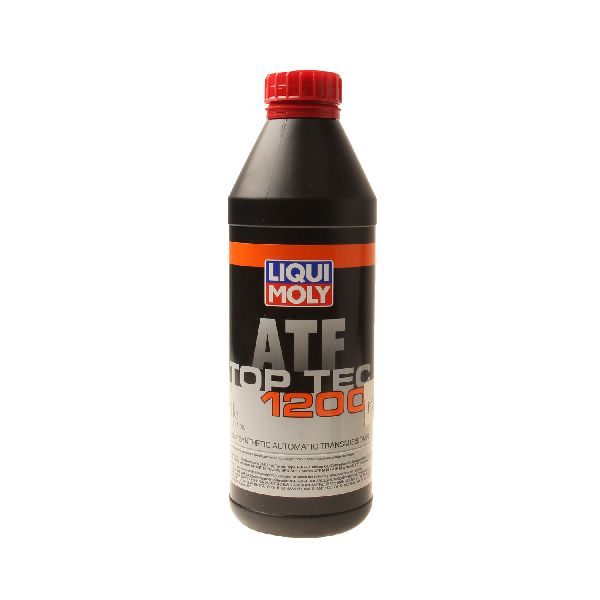
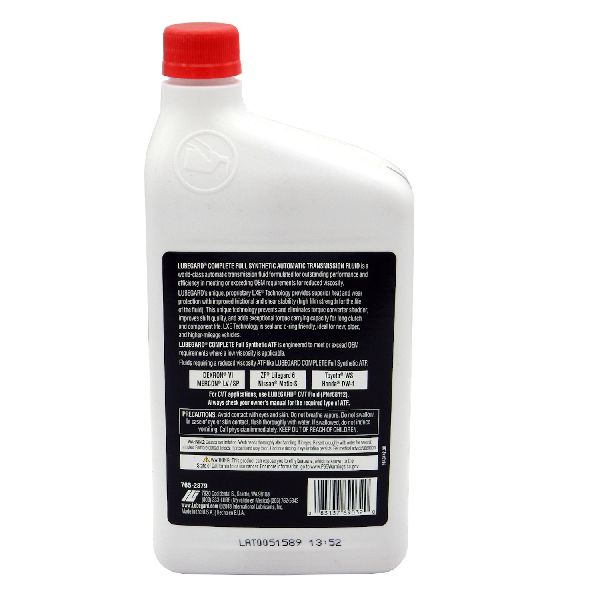
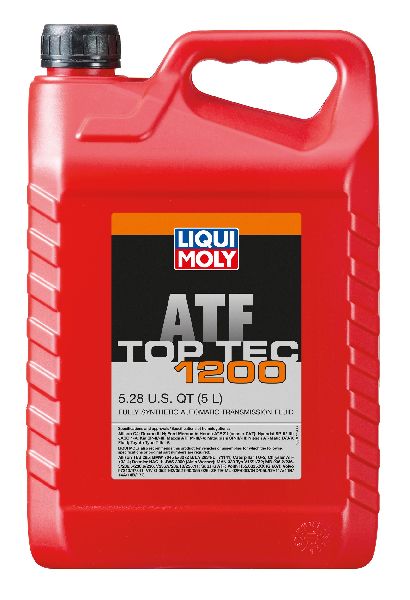
- Using non-approved transmission fluid. The 66RFE is sensitive to fluid type, and using anything other than a licensed ATF+4 fluid can cause shifting problems and codes.
Most Likely Causes
- Failed Torque Converter 🔴 High Probability → Shop Automatic Transmission Torque Converter The 66RFE's stock torque converter is a known weak point, with a stator sprag that is prone to failure and unnecessarily high stall speeds from the factory. Experience from technicians and owner forums shows that if P0740 appears as the only code, the internal clutch material of the torque converter has likely worn out or the lock-up piston has cracked, preventing a successful lock-up.
How to confirm: A professional scan tool is needed to monitor TCC slip RPM in real-time. If the PCM commands lock-up and the slip remains high (over 100 RPM for 10 seconds), the converter is failing. Finding excessive metallic debris or clutch material ('glitter') in the transmission pan during a fluid service is another strong indicator.
Typical fix: Replace the torque converter. This is a major job that requires removing the transmission. Many owners opt for a heavy-duty or billet aftermarket converter for improved durability.
Est. part cost: $400-$1800 - Faulty Torque Converter Clutch (TCC) Solenoid / Solenoid Pack 🟡 Medium Probability → Shop Automatic Transmission Torque Converter The solenoid controls the hydraulic fluid flow to engage the TCC. It can fail electrically or become stuck. However, it's often replaced mistakenly when the torque converter is the real issue. On the 66RFE, the TCC solenoid is part of the main solenoid block (pack) mounted to the valve body.
How to confirm: Using a high-end scan tool to command the solenoid on and off while monitoring circuit voltage. The solenoid's resistance can also be tested with a multimeter after dropping the transmission pan. A typical resistance for the L/R-TCC solenoid is around 1.3 ohms.
Typical fix: Replace the entire solenoid pack. This requires dropping the transmission pan and valve body. It is often done as a preventative measure when replacing the torque converter.
Est. part cost: $250-$500 for an OEM Mopar solenoid pack. - Low or Contaminated Transmission Fluid ⚪ Low Probability → Shop Transmission Assembly The 66RFE transmission requires Mopar ATF+4 fluid. While less common as the root cause, low fluid level or fluid that is burnt and full of debris can prevent the hydraulic pressure needed to operate the TCC solenoid and clutch.
How to confirm: Check the transmission fluid level and condition. The fluid should be at the correct level and transparent red. If it's dark brown, black, or contains metal shavings, a more severe internal problem is likely.
Typical fix: Perform a transmission fluid and filter change using OEM ATF+4 fluid and filters. A simple pan drop and fill replaces about 6-7 quarts of the ~12 quart total capacity. If the code returns, it indicates a mechanical problem rather than a fluid issue.
Est. part cost: $100-$250
Rare But Worth Checking
- PCM Software Issue: A documented case on a 2018 Ram 3500 6.4L showed that a PCM reflash from the dealer resolved a recurring P0740 after a fluid change failed to fix it. Always check for available TSBs related to software updates before performing major repairs.
- Damaged Wiring Harness: An open or short in the wiring between the PCM and the transmission's TCC solenoid circuit can trigger the code. This should be inspected for corrosion or chafing, especially at the main transmission case connector and the ground strap from the transmission to the frame.
- Worn Valve Body: → Shop Transmission Valve Body Wear in the valve body bores, particularly the TCC control valve or solenoid switch valve bore, can cause hydraulic leaks that prevent the TCC from getting enough pressure to engage properly. This is a known issue on 66RFE/68RFE transmissions. Aftermarket solutions like those from Sonnax often include oversized valves or sleeved bores to correct this wear.
Diagnosis Steps
- Check and verify the transmission fluid level and condition. Ensure it is full, clean, and does not smell burnt. The correct fluid is ATF+4.
- Use a professional-grade scan tool to read all fault codes from the PCM and TCM. Note any other codes present, like P0868 or P0871.
- With the scan tool, monitor the live data for 'TCC Slip Speed' or 'Torque Converter Slip RPM' while driving at a steady highway speed (50-65 mph).
- Command the TCC solenoid to lock up using the scan tool. If the slip RPM remains high (e.g., over 100 RPM) when lock-up is commanded, the torque converter is likely failing mechanically.
- If the TCC does not respond to commands, inspect the external wiring harness to the transmission for any visible damage, corrosion, or loose connections, paying close attention to the main connector and chassis grounds.
- Check with a Ram dealer for any available PCM/TCM software updates (TSBs) related to P0740, as this has been a known fix in some cases.
- If wiring and software are ruled out, drop the transmission pan to inspect for excessive metal debris (a 'glitter bomb' in the pan points to catastrophic failure).
- With the pan off, test the resistance of the TCC solenoid with a multimeter and check the internal wiring harness for continuity. A reading of approximately 1.3 Ohms is expected for the TCC solenoid.
- If the solenoid and wiring test good but the slip issue persists, the torque converter is the primary suspect and replacement is the next logical step.
Parts You'll Likely Need
- Torque Converter
(OEM #R8143186AD (supersedes previous versions))— This is the most common cause of an isolated P0740 code on this platform, due to the internal clutch material wearing out.
Trusted brands: Mopar, BD Diesel, RevMax, Transtar
OEM price range: $600-$1200
Aftermarket price range: $400-$1500 - Transmission Solenoid Pack
(OEM #68376695AB (supersedes 68376695AA, 52120000AA))— This part contains the TCC solenoid. While less likely to be the sole cause than the converter itself, it can fail and is often replaced preventatively during a torque converter job.
Trusted brands: Mopar, Rostra
OEM price range: $350-$500
Aftermarket price range: $200-$350 - Transmission Filter and Fluid Kit
(OEM #Fluid: 68218057AA (ATF+4))— Required for any service that involves dropping the transmission pan. The 66RFE uses two filters, an internal main sump filter and an external canister-type pump return filter.
Trusted brands: Mopar, Wix, ATP
OEM price range: $150-$250
Aftermarket price range: $80-$150
Related Codes That Often Appear With This One
- P0700 — This is a generic Transmission Control System Malfunction code. It simply indicates the transmission control module (TCM) has stored a fault, such as P0740.
- P0868 — This code indicates 'Line Pressure Low' and can appear with P0740, suggesting a broader hydraulic issue within the transmission, like a failing pump, clogged filter, or major leak in the valve body, preventing proper TCC engagement.
- P0871 — Indicates an issue with the Overdrive Pressure Switch. This can be related to valve body cross-leaks or solenoid pack issues that also contribute to the P0740 code.
Technical Service Bulletins (TSBs) & Recalls
- While no TSB directly names P0740 as the primary complaint, several TSBs for PCM/TCM software updates on Ram trucks have been anecdotally reported to fix the code. For example, TSB 21-013-16 addresses transmission shift quality. It is critical to have a dealer check for the latest available software for your specific VIN.
Platform-Specific Known Issues
- Intermittent Nature of Code: Owners report the P0740 code can appear intermittently, sometimes only in cold weather or when towing. It may also be temporarily cleared by restarting the vehicle, which can complicate diagnosis.
- Aftermarket Filter Issues: There are forum reports of aftermarket transmission filters causing fluid pressure issues that can mimic or contribute to fault codes like P0740. It is highly recommended to use genuine Mopar filters when servicing the 66RFE transmission.
Mechanic-Grade Diagnostic Values
- Scan Tool TCC Slip RPM (Full Lock-up) — expected: 0 (± 20 RPM). Failure: Slippage greater than 100 RPM for 10 seconds while lock-up is commanded.
- Scan Tool TCC Solenoid Duty Cycle — expected: Varies based on driving conditions.. Failure: PCM commands maximum duty cycle (e.g., >85% or 100%) but TCC slip remains high, indicating a mechanical/hydraulic failure, not electrical.
- L/R-TCC Solenoid Resistance — expected: Approximately 1.3 ohms. Failure: A significantly higher or lower reading, or an open circuit, indicates a failed solenoid.
- Valve Body Vacuum Test (Solenoid Switch Valve Bore) — expected: Should hold a minimum of 18 inches of vacuum.. Failure: A rapid drop to zero indicates excessive wear in the valve bore, causing a hydraulic leak.
Scan Tool Commands That Help
- wiTECH 2.0 (OEM Scan Tool): Monitor 'TCC Slip Speed' and 'L/R-TCC Solenoid' duty cycle. — Used during a road test at steady highway speed to verify if the commanded lock-up results in near-zero slip. This is the primary method to confirm a mechanical slip vs. an electrical issue.
- wiTECH 2.0 (OEM Scan Tool): ECU Flash / Reprogramming — Used to apply any available software updates from FCA (Chrysler/Ram) that may address incorrect diagnostic logic for P0740. This should be checked before performing major mechanical repairs.
Wiring & Ground Locations
- Transmission Case Connector (C1) — The main electrical connector on the driver's side of the 66RFE transmission case.. This is the primary connection point for all transmission solenoids, including the TCC solenoid. Corrosion or damage here can cause an open or short in the circuit, triggering P0740.
- Transmission Ground Strap — Typically runs from the transmission bellhousing area to the vehicle's frame rail.. A poor ground connection can cause erratic behavior in transmission electronics and solenoids, potentially leading to incorrect operation and fault codes.
Real Owner Repair Stories
- RamForum.com user 'Tim Pederson SD' (2018 Ram 3500 6.4L Hemi with 77,000 miles) — Check Engine Light on, MDS system disabled. No other driveability issues or abnormal temperatures.
❌ Tried (didn't work) A transmission fluid flush and change by a dealer temporarily cleared the code, but it returned., Adding Lucas Trans Fix additive also did not provide a permanent solution.
✅ What actually fixed it The local dealer performed a thorough diagnostic, found nothing mechanically wrong, and then discovered a PCM software update was available. After reflashing the PCM, the code did not return for over 2,000 miles. - RamForum.com user 'EastWestHemi' (4th Gen Ram with 66RFE) — Transmission failure.
❌ Tried (didn't work) Prior dealership service did not detect the underlying issue.
✅ What actually fixed it A transmission shop found that 2 of 5 bolts on the stator (part of the pump assembly) were loose. This was identified as the root cause of the failure. The fix involved a full transmission rebuild including a new torque converter.
When the Usual Fixes Don't Work
- While the vast majority of P0740 codes on the 66RFE are caused by a failed torque converter, there is a notable and documented pattern, especially on later models like the 2018 Ram 3500, where a PCM software update (reflash) has been the final and successful fix. This contradicts the 'always a hard part' assumption. Therefore, checking for TSBs and available software updates with a dealer tool like wiTECH is a critical, non-invasive diagnostic step that should be performed before authorizing an expensive transmission removal and torque converter replacement.
OEM Part Supersession History
52120000AA, 68376695AA→68376695AB— Component revision and updates by Mopar for improved reliability or manufacturing changes.
Heads up: The 68376695AB is the current service part for the 66RFE and 68RFE solenoid block. It has a grey connector and includes the Transmission Range Sensor (TRS).
Model Year Variations Within This Range
- 2012-2018: The 66RFE transmission was introduced in 2012 for Ram 2500/3500 trucks with gas engines (5.7L and 6.4L Hemi), replacing the 545RFE. It is a hybrid design, using the case of a 545RFE but with some stronger internal components from the diesel-specific 68RFE, such as the gearset. However, it retained weaker components in the front of the transmission, including the torque converter and pump design, which are the primary sources of the P0740 issue.
Diagnostic Flowchart
Real Owner Stories
Aggregated from forums and TSBs cited above. Mileages and costs reflect what owners reported in those sources.
2018 Ram 3500 6.4L
Symptoms: Experienced a recurring P0740 code.
What fixed it: A dealer PCM reflash ultimately solved the problem after an initial fluid flush was unsuccessful.
Source hint: RamForum.com thread titled 'Error Code P0740 Resolved'
Ram 66RFE Transmission
Symptoms: Struggled with a persistent P0740 code and additional issues after a transmission rebuild.
What fixed it: Replaced aftermarket parts with genuine Mopar filters, the correct ATF+4 fluid, and a quality OEM Mopar solenoid pack.
Source hint: RamForum.com thread titled '66RFE Rebuild, more issues'
Related OBD-II Codes
Frequently Asked Questions
Does TSB 21-013-16 apply to my 2013-2018 Ram 3500 for the P0740 code?
Can I use aftermarket transmission filters when servicing the 66RFE to fix P0740?
What transmission fluid does the 66RFE in my 6.4L Hemi require, and how much?
Why does my Ram 3500 shudder between 45 and 65 mph with this code?
Why did my Multi-Displacement System (MDS) stop working when the P0740 code appeared?
How can I test the TCC solenoid on my 66RFE transmission?
We Have This Part in Stock


The information in this article is provided for general reference and educational purposes only. Vehicle specifications, procedures, and part compatibility can vary by production date, trim level, and region. Always consult your vehicle's factory service manual and verify part numbers before purchasing or performing repairs. Safety-critical components such as airbags, seat belts, and braking systems should be installed by a qualified professional.
- Ram 3500:
- 🧭 Diagnostic Flowchart
- 🛍️ Shop This Part
- What's Unique About the 2013-2018 Ram 3500
- Symptoms You May Notice
- Most Likely Causes
- Rare But Worth Checking
- Diagnosis Steps
- Parts You'll Likely Need
- Related Codes That Often Appear With This One
- Technical Service Bulletins (TSBs) & Recalls
- Platform-Specific Known Issues
- Mechanic-Grade Diagnostic Values
- Scan Tool Commands That Help
- Wiring & Ground Locations
- Real Owner Repair Stories
- When the Usual Fixes Don't Work
- OEM Part Supersession History
- Model Year Variations Within This Range
- Real Owner Stories
- 2018 Ram 3500 6.4L
- Ram 66RFE Transmission
- Related OBD-II Codes
- Frequently Asked Questions
- 🎟️ Get 5% Off