

P0741 on 2017-2018 Genesis G80 3.3L/5.0L: Torque Converter Clutch Performance Causes and Fixes
For a 2017-2018 Genesis G80, code P0741 is most often caused by a faulty torque converter clutch solenoid. Genesis issued a Technical Service Bulletin (TSB 19-AT-002HG) for this exact issue, recommending solenoid replacement with part number 46313-3B011. This is an internal transmission repair requiring removal of the valve body. Expect a shop to charge between $400 and $800 for this repair.
- P0741 on a 2017-2018 G80 is most likely a bad TCC solenoid, as confirmed by manufacturer TSB 19-AT-002HG.
- The correct, updated OEM part number for the solenoid is 46313-3B011.
- Do not immediately assume you need a new torque converter or transmission; the fix is often a much cheaper internal solenoid.
- This is not a DIY-friendly repair for beginners; it requires dropping the transmission pan and valve body.
- Always use the OEM-specified transmission fluid (SP-IV-RR, P/N 00232-19052) when performing this repair.
- Driving with this code can lead to transmission overheating and more severe, expensive damage.
What's Unique About the 2017-2018 Genesis G80
While P0741 can have many causes on different vehicles, Genesis has specifically identified a common failure point for the 2017-2018 G80. The manufacturer released Technical Service Bulletin (TSB) 19-AT-002HG, which directly links P0741 to a faulty internal transmission solenoid, specifically the TCC Lock-Up Solenoid. This TSB provides a clear diagnostic path and an updated part number (46313-3B011), making it a much more straightforward diagnosis than on many other platforms where the cause might be less certain.
Symptoms You May Notice
- Check Engine Light is on
- Engine RPMs fluctuate or are higher than normal at highway speeds
- Noticeable decrease in fuel economy
- Vehicle may shudder or vibrate at cruising speeds, especially under light acceleration
- Transmission may feel like it's slipping
- In some cases, harsh or delayed shifting
- Sensation of driving over rumble strips at low speeds or light throttle
- Replacing the entire transmission when only a solenoid is needed.
- Replacing the torque converter before verifying the solenoid, wiring, and fluid are all correct.
- Assuming any shudder is from the torque converter clutch when it could be a misfire.
Most Likely Causes
- Faulty Torque Converter Clutch (TCC) Solenoid 🔴 High Probability → Shop Automatic Transmission Torque Converter Genesis issued TSB 19-AT-002HG specifically for this issue on this vehicle, indicating it is a known failure point. The TSB identifies the TCC solenoid as the primary culprit for the P0741 code. Additionally, TSB Bulletin #5NP-W7J6Y-11 outlines the replacement of automatic transmission solenoids and sensors specifically to address DTC P0741 and related electrical codes.
How to confirm: A technician will use a scan tool to monitor the commanded TCC state versus the actual TCC slip RPM. If the solenoid is commanded ON but slip remains high, and wiring is confirmed good, the solenoid is faulty. The TSB provides the definitive diagnostic procedure. The solenoid's resistance can be tested with a multimeter and should be within 11-15 Ohms at 68°F (20°C).
Typical fix: Replace the faulty TCC solenoid inside the transmission. The updated part number listed in the TSB is 46313-3B011 (superseding 46313-3B010). The transmission pan and valve body must be removed to access it.
Est. part cost: $70-$110 for the OEM solenoid - Low or Dirty Transmission Fluid 🟡 Medium Probability → Shop Transmission Assembly Like any automatic transmission, the G80's 8-speed relies on clean fluid at the correct pressure to operate hydraulic components like the TCC solenoid. Old, degraded, or low fluid can cause the solenoid to stick or fail to actuate properly.
How to confirm: Check the transmission fluid level and condition. The fluid should be at the correct level, pink/red in color, and not smell burnt. Dark, burnt, or contaminated fluid indicates a problem and can be a contributing factor.
Typical fix: Perform a transmission fluid drain and fill, or a full fluid exchange, using the correct OEM-specified fluid, which is Hyundai/Genesis SP-IV-RR (Part No. 00232-19052). If the pan is dropped for solenoid replacement, a fluid and filter change is part of the job.
Est. part cost: $150-$300 for OEM fluid and a new filter/pan gasket - Damaged Wiring or Connectors ⚪ Low Probability
How to confirm: Inspect the wiring harness leading to the transmission for any visible damage, corrosion, or loose connections. A technician can perform a continuity test on the TCC solenoid circuit from the TCM connector to the transmission connector.
Typical fix: Repair or replace the damaged section of the wiring harness or the connector.
Est. part cost: $10-$50 for wiring supplies
Rare But Worth Checking
- Failing Torque Converter: → Shop Automatic Transmission Torque Converter If the TCC solenoid and fluid are good, the clutch mechanism inside the torque converter itself may have failed mechanically. This is a more significant and expensive repair that requires removing the entire transmission.
- Faulty Transmission Valve Body: → Shop Transmission Valve Body The solenoid seats within the valve body, which contains hydraulic passages. A blockage, crack, or worn bore in the valve body could cause pressure loss and prevent the TCC from engaging, even with a new solenoid.
- Faulty Transmission Control Module (TCM): → Shop Transmission Assembly In very rare cases, the TCM itself may fail to send the correct signal to the TCC solenoid. This should only be considered after all other possibilities have been exhausted.
Diagnosis Steps
- Verify the code with an OBD-II scanner and check for any other related transmission or engine codes.
- Check the transmission fluid level and condition. The G80 does not have a dipstick, so this must be done by a technician via the fill plug with the vehicle at a specific temperature (122-140°F / 50-60°C). The fluid should be SP-IV-RR.
- Consult TSB 19-AT-002HG. This is the most critical step for this specific vehicle, as it outlines the known issue and repair.
- Using an advanced scan tool (like Hyundai's GDS), monitor live data while driving. Key parameters to watch are TCC Command (On/Off or Duty %), Engine RPM, and Turbine/Input Shaft Speed. A large, persistent difference between engine and turbine speed when the TCC is commanded ON confirms slippage.
- Inspect the transmission wiring harness and main connector for any visible damage, corrosion, or loose pins as outlined in the TSB.
- If wiring is good and slippage is confirmed, the TSB directs the replacement of the TCC solenoid (Part No. 46313-3B011).
- If replacing the solenoid does not resolve the issue, further diagnosis of the valve body, the torque converter itself, or the TCM is required. This is an advanced step.
Parts You'll Likely Need
- Torque Converter Clutch Solenoid
(OEM #46313-3B011)— This is the specific part identified by Genesis in TSB 19-AT-002HG as the primary fix for P0741 on this vehicle.
Trusted brands: Hyundai / Genesis Genuine
OEM price range: $70-$110
Aftermarket price range: $40-$80 - Automatic Transmission Fluid (SP-IV-RR)
(OEM #00232-19052)— Fluid must be drained to drop the pan and access the solenoid. A partial refill of approximately 6-7 quarts is required.
Trusted brands: Hyundai / Genesis Genuine ATF SP-IV-RR, Kia ATF SP-IV-RR (UM014-CH065), Ravenol ATF SP-IV RR
OEM price range: $20-$35 per quart
Aftermarket price range: $15-$25 per liter - Transmission Filter / Pan Gasket — The transmission filter and pan gasket should be replaced whenever the transmission pan is removed for service. Some kits combine the pan and filter into one unit.
Trusted brands: Hyundai / Genesis Genuine
OEM price range: $50-$100
Aftermarket price range: $40-$80
Technical Service Bulletins (TSBs) & Recalls
- 19-AT-002HG: The primary TSB for this issue. It covers 2017-18 G80/G90 models with 3.3L/5.0L engines and directly attributes P0741 to a faulty TCC solenoid, providing part number 46313-3B01* (which has been updated to 46313-3B011) and a detailed replacement procedure.
- TSB Bulletin #5NP-W7J6Y-11: A manufacturer service bulletin that provides instructions for automatic transmission solenoid and sensor replacement specifically for DTC P0741 and other related transmission codes.
- 19-AT-007HG: Details the procedure for transferring oil pressure data to a new TCU using the GDS tool, which is relevant if the entire transmission or TCU is replaced.
- 19-AT-014HG: Provides diagnostic steps for harsh or delayed shifting on the 8-speed transmission, which can be a related symptom.
Platform-Specific Known Issues
- Owner Experience with P0741 on a 2019 Santa Fe: A Reddit user with a 2019 Hyundai Santa Fe (a platform mate) at 109k miles reported feeling an occasional misfire-like sensation at highway speeds, which was later diagnosed as P0741. Another user pointed them to a relevant TSB for solenoid replacement, highlighting that this is a known issue across Hyundai/Genesis platforms with this transmission.
Mechanic-Grade Diagnostic Values
- Torque Converter Clutch (TCC) Solenoid Resistance — expected: 11 to 15 Ω at 20°C (68°F). Failure: A resistance reading outside of this range indicates a faulty solenoid coil.
- Transmission Fluid Temperature for Level Check — expected: 122~140°F (50~60°C). Failure: Checking the fluid level outside this temperature range will result in an inaccurate reading (either too high or too low).
Scan Tool Commands That Help
- Hyundai GDS (Global Diagnostic System): Resetting Auto T/A Values — This function must be used after replacing the TCC solenoid or the entire valve body. It erases the learned adaptive values from the Transmission Control Module (TCM).
- Hyundai GDS (Global Diagnostic System): AT Adaptation Mode (Relearn Adaptive Values) — After resetting the adaptive values, a specific drive cycle must be performed to allow the TCM to relearn the hydraulic characteristics of the new solenoid for optimal shift quality.
- Hyundai GDS (Global Diagnostic System): Solenoid Data Analysis — During diagnosis, a technician can monitor the live data output of the individual solenoids while driving to confirm if the command signal is being sent and if the circuit is electrically intact.
Wiring & Ground Locations
- Transmission Control Module (TCM) — The TCM for the A8LR1/A8TR1 is a standalone module. While its exact location can vary slightly, it is typically found in the passenger cabin, often under the dashboard or center console area.. The TCM sends the command signal to the TCC solenoid. Any diagnostic tests of the wiring circuit will begin or end at the TCM connector.
- Transmission Main Harness Connector — Located on the passenger side of the transmission housing. It's a large, multi-pin connector with a latch that needs to be released to disconnect it from the internal lead frame/valve body.. This is the primary connection point for all electronic components inside the transmission, including the TCC solenoid. It's a critical point to check for corrosion, damage, or loose pins.
- Passenger Compartment Fuse Box — Located in the driver's side panel bolster, accessible by opening a cover.. This panel contains fuses that power the Transmission Control Module (TCM) and other related control units. A blown fuse could cause a loss of power to the TCM, leading to various transmission codes.
Real Owner Repair Stories
- Reddit user with a 2019 Genesis G80 (2019 Hyundai Genesis G80, Automatic Transaxle (SBW)) — Check engine light with trouble code P0741.
✅ What actually fixed it The user's mechanic recommended replacing the 'transmission switch pressure valve,' which is likely another term for the TCC solenoid, as this is the component specified in the TSB for this code.
OEM Part Supersession History
46313-3B010→46313-3B011— The updated part number is specified in TSB 19-AT-002HG, indicating an improvement or revision by the manufacturer to address the failure leading to P0741.
Model Year Variations Within This Range
- 2017 vs 2018: There are no significant mechanical differences reported between the 2017 and 2018 Genesis G80 models regarding the 8-speed automatic transmission (A8LR1/A8TR1) or the components related to code P0741. Both model years are covered under the same TSB (19-AT-002HG). The primary difference noted for the 2018 model was an increased alternator capacity on some trims.
Diagnostic Flowchart
Used vs. New Parts: Buying Guide for This Vehicle
When a used part is the smart pick: For this repair, a used part is generally not recommended. The primary failure is a relatively inexpensive solenoid that is known to fail. The labor to access it is significant, so installing a used solenoid with unknown history is a major risk. A used valve body assembly might be considered if the original is confirmed cracked, but only from a very low-mileage donor vehicle.
Donor-vehicle mileage cap: roughly under 40000 miles for the part to have meaningful remaining life.
What to inspect on the donor part:
- Verify the donor vehicle's VIN to ensure it had the same transmission type (A8LR1/A8TR1).
- Ask for the donor vehicle's mileage and service history if available.
- Inspect the valve body for any visible signs of cracks, scoring, or heavy sludge.
- Ensure all electrical connectors and pins on the used part are clean and free of corrosion or damage.
OEM-only on this vehicle (don't cheap out):
- Torque Converter Clutch (TCC) Solenoid: Given the known issue and the updated OEM part, using the genuine Hyundai/Genesis part (46313-3B011) is critical for a lasting repair.
- Transmission Fluid (SP-IV-RR): Using the exact specified fluid is mandatory. Incorrect fluid can cause shifting problems and long-term damage.
Brands owners have reported issues with on this vehicle:
- Unbranded 'Chinesium' Valve Bodies/Solenoids: Forum users and mechanics often warn against using cheap, unbranded aftermarket valve bodies or individual solenoids found on sites like Amazon or eBay, as they frequently have high failure rates or cause compatibility issues.
Real Owner Stories
Aggregated from forums and TSBs cited above. Mileages and costs reflect what owners reported in those sources.
2019 Hyundai Santa Fe — 109000 miles
Symptoms: An occasional misfire-like sensation at highway speeds.
What fixed it: The owner was directed to a relevant TSB for solenoid replacement, which is the common fix for this issue across related Hyundai/Genesis platforms.
Source hint: Reddit.com/r/Hyundai/comments/xaz7z0/2019_santa_fe_giving_p0741_code_looking_for/
Related OBD-II Codes
Frequently Asked Questions
Is there a specific Technical Service Bulletin (TSB) for the P0741 code on my 2017 Genesis G80?
What is the updated part number for the TCC solenoid that fails on the G80?
My 2018 G80 is shuddering at highway speeds. Could this be related to code P0741?
What type of transmission fluid should be used when servicing my G80 for a P0741 code?
How can a mechanic be sure the TCC solenoid is the problem and not something else?
My Kia Stinger has a P0741 code. Is the fix the same as for the Genesis G80?
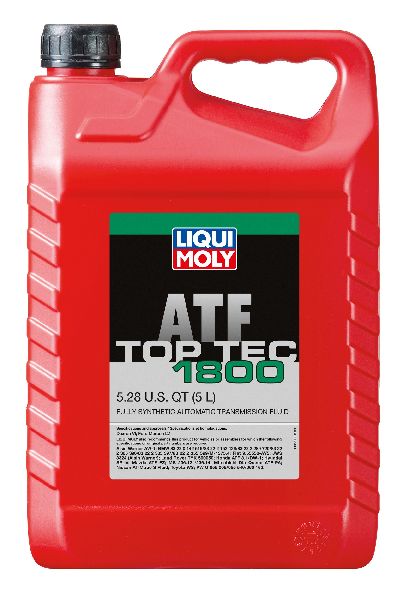
We Have This Part in Stock
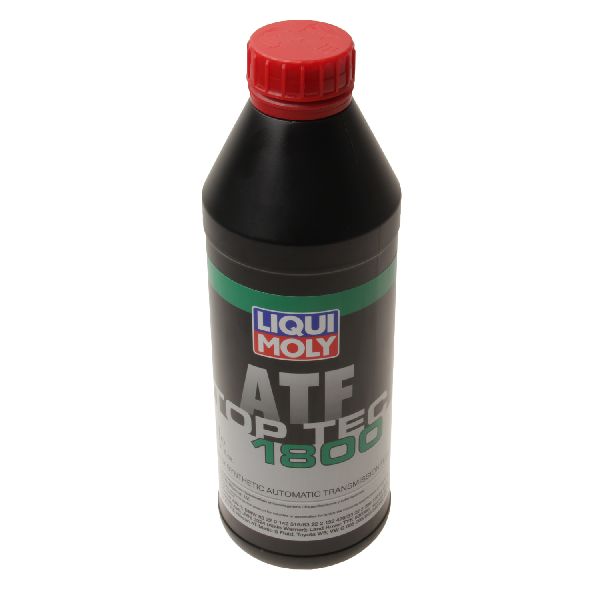
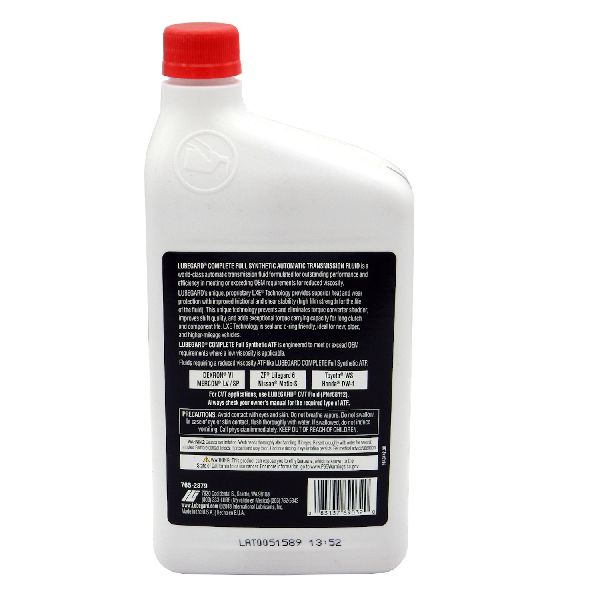

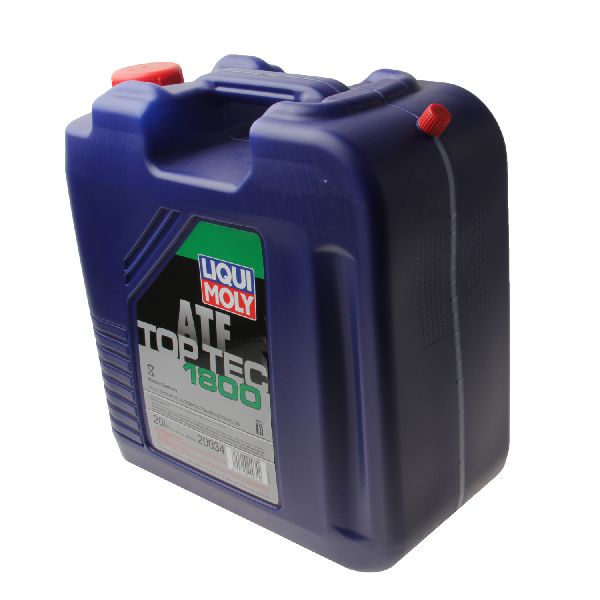
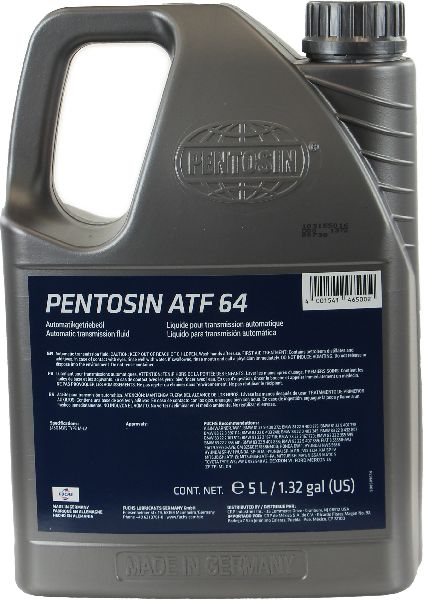

The information in this article is provided for general reference and educational purposes only. Vehicle specifications, procedures, and part compatibility can vary by production date, trim level, and region. Always consult your vehicle's factory service manual and verify part numbers before purchasing or performing repairs. Safety-critical components such as airbags, seat belts, and braking systems should be installed by a qualified professional.
- Genesis G80:
- 🧭 Diagnostic Flowchart
- 🛍️ Shop This Part
- What's Unique About the 2017-2018 Genesis G80
- Symptoms You May Notice
- Most Likely Causes
- Rare But Worth Checking
- Diagnosis Steps
- Parts You'll Likely Need
- Technical Service Bulletins (TSBs) & Recalls
- Platform-Specific Known Issues
- Mechanic-Grade Diagnostic Values
- Scan Tool Commands That Help
- Wiring & Ground Locations
- Real Owner Repair Stories
- OEM Part Supersession History
- Model Year Variations Within This Range
- Used vs. New Parts: Buying Guide for This Vehicle
- Real Owner Stories
- 2019 Hyundai Santa Fe — 109000 miles
- Related OBD-II Codes
- Frequently Asked Questions
- 🎟️ Get 5% Off