

P0741 on 2000-2003 Oldsmobile Alero: Torque Converter Clutch Causes and Fixes
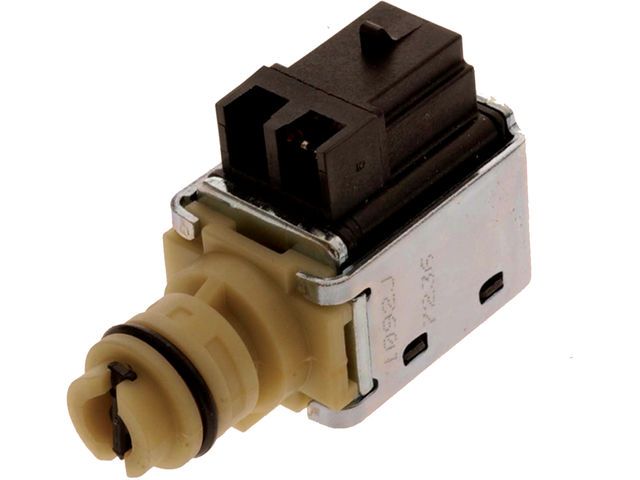
On a 2000-2003 Oldsmobile Alero, code P0741 is most often caused by a failed Torque Converter Clutch (TCC) solenoid inside the transmission. Replacing the solenoid (ACDelco P/N: 24227792), along with the transmission fluid and filter, is the most common fix. Expect to pay $50-$100 for the parts; DIY difficulty is 3/5, requiring removal of the transmission pan.
- P0741 on a 2000-2003 Alero almost always points to a problem inside the transmission, not the engine.
- The most likely culprit is a faulty TCC solenoid, which is a relatively inexpensive part.
- Before attempting major repairs, always check the transmission fluid level and condition first.
- When replacing the TCC solenoid, it's cost-effective to also replace the other solenoids, the filter, and the fluid to prevent future issues.
What's Unique About the 2000-2003 Oldsmobile Alero
The Oldsmobile Alero from this period uses the GM 4T40-E or 4T45-E automatic transmission. These transmissions are known to have issues with their control solenoids, including the TCC solenoid that triggers the P0741 code. While the code is generic, its frequent appearance on this platform and its siblings (Pontiac Grand Am, Chevy Malibu) is often tied directly to the high failure rate of these specific electronic components within the transmission valve body. The V6 models typically received the slightly stronger 4T45-E, while 4-cylinder models used the 4T40-E, though both are electronically similar and share this fault.
Symptoms You May Notice
- Check Engine Light is on
- Engine RPMs are higher than normal at highway speeds (often 300-500 RPM higher)
- Noticeable decrease in fuel economy, potentially by 1-4 MPG
- A sensation of the transmission slipping at cruising speeds
- Shuddering or vibration when cruising at 40-55 MPH, often described as feeling like driving over rumble strips
- Harsh or delayed gear shifts, sometimes accompanied by the transmission entering 'limp mode'
- Vehicle may stall after coming to a stop from highway speeds (if the TCC is stuck ON, though P0741 is for STUCK OFF)
- Replacing the entire torque converter when the actual fault is the inexpensive TCC solenoid or a worn TCC regulator valve in the valve body.
- Replacing the Transmission Control Module (TCM) when the problem is mechanical or hydraulic within the transmission.
Most Likely Causes
- Faulty Torque Converter Clutch (TCC) Solenoid 🔴 High Probability → Shop Automatic Transmission Torque Converter The control solenoids in the 4T40-E/4T45-E transmissions are a known weak point on this platform, failing either electrically or mechanically (sticking).
How to confirm: A mechanic can use a bi-directional scan tool to command the TCC solenoid on and off to check its response. The solenoid's electrical resistance can also be tested with a multimeter; for the 4T40-E TCC lock-up solenoid, the reading should be between 11-17 ohms. A reading far outside this range indicates an electrical failure.
Typical fix: Replace the TCC solenoid. This requires dropping the transmission pan for access. It is highly recommended to replace the other shift solenoids, the transmission filter, and the fluid at the same time as a preventative measure.
Est. part cost: $30-$80 - Low, Burnt, or Incorrect Transmission Fluid 🟡 Medium Probability → Shop Transmission Assembly Older vehicles are more likely to have fluid that is degraded or low, which can cause solenoids to stick or hydraulic pressure to be insufficient to engage the TCC.
How to confirm: Check the transmission fluid dipstick for level and condition. The fluid should be reddish and clear, not dark brown, black, or smell burnt. The correct fluid is DEXRON-III or a compatible backward-compatible replacement like DEXRON-VI.
Typical fix: Perform a transmission fluid and filter change. If the fluid is very dirty, a full flush may be considered, but on high-mileage transmissions, this can sometimes cause other issues by dislodging sludge.
Est. part cost: $40-$100 - Worn or Clogged Valve Body (Specifically TCC Regulator Valve) 🟡 Medium Probability → Shop Transmission Valve Body Over time, small metal particles and clutch material can contaminate the fluid and clog the small passages in the valve body. A specific known issue is the bore for the TCC regulator valve wearing out, causing a loss of hydraulic pressure needed to apply the clutch.
How to confirm: This is typically diagnosed after replacing the TCC solenoid does not fix the issue. The valve body must be removed and inspected for scoring, sticking valves, and clogged passages. Aftermarket kits (e.g., from Sonnax) exist to ream the valve bore and install an oversized TCC regulator valve.
Typical fix: Clean the valve body and passages thoroughly. If the TCC regulator valve bore is worn, it must be repaired with an oversized valve kit or the entire valve body may need to be replaced. The Sonnax kit 33000-02 is designed for this repair but requires tool kit 33000-TL.
Est. part cost: $150-$400
Rare But Worth Checking
- Failing Torque Converter: → Shop Automatic Transmission Torque Converter The internal clutch mechanism of the torque converter itself can fail mechanically or the friction material can delaminate. This is a much more expensive repair and is usually diagnosed only after all other possibilities (solenoid, fluid, wiring, valve body) have been eliminated.
- Damaged Wiring Harness: The wiring leading to the TCC solenoid, either inside or outside the transmission, can become damaged or corroded, causing an open or short in the circuit. This is less common than solenoid failure but should be checked during diagnosis.
Diagnosis Steps
- Check for other stored DTCs that could provide more clues.
- Inspect the transmission fluid level and condition. If it is low, top it off. If it is dark, burnt, or contains debris, a fluid and filter change is necessary.
- Using a capable scan tool, monitor the TCC slip speed in real-time while driving at a steady cruise (45-55 mph). If the PCM commands lock-up but slip RPM remains high (e.g., >200 RPM), the clutch is not engaging.
- Lightly tap the brake pedal while maintaining speed. If a shuddering sensation immediately stops, it strongly points to a TCC issue, as braking commands the TCC to disengage.
- Inspect the transmission wiring harness and connector for any visible damage, corrosion, or loose connections.
- If the solenoid does not respond to commands or tests indicate a performance issue, drop the transmission pan to access the valve body.
- Test the resistance of the TCC solenoid with a multimeter. A reading outside the manufacturer's specification (10-30 ohms is a general range, with 11-17 ohms being more specific for some 4T40-E applications) indicates a failed solenoid.
- If the solenoid tests good electrically, the issue may be mechanical (sticking solenoid), a blockage in the valve body, or a worn TCC regulator valve bore. At this point, replacing the solenoid is still a likely fix due to mechanical failure being common.
- If a new solenoid does not resolve the code, further diagnosis of the valve body, torque converter, or TCM is required.
Parts You'll Likely Need
- Torque Converter Clutch (TCC) Solenoid
(OEM #24227792)— This solenoid is the most common failure point for code P0741 on the 4T40-E/4T45-E transmission. It is also referred to as a TCC PWM solenoid.
Trusted brands: ACDelco (GM Genuine), Standard Motor Products (SMP), Rostra
OEM price range: $60-$100
Aftermarket price range: $30-$60 - Automatic Transmission Filter Kit — The filter and pan gasket must be replaced whenever the transmission pan is removed to service the solenoids.
Trusted brands: ACDelco, Wix, ATP
OEM price range: $25-$40
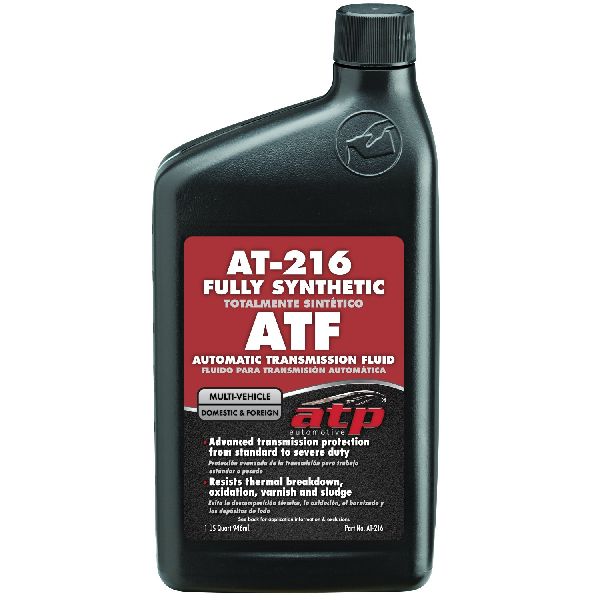
Aftermarket price range: $15-$30 - DEXRON-VI Automatic Transmission Fluid — The correct, fresh fluid is required when refilling the transmission after service. DEXRON-VI is the backward-compatible replacement for the original DEXRON-III fluid.
Trusted brands: ACDelco, Valvoline, Castrol
OEM price range: $8-$12 per quart
Aftermarket price range: $6-$10 per quart
Related Codes That Often Appear With This One
- P0753 — This code for 'Shift Solenoid A Electrical' often appears with other transmission solenoid codes, as a failing solenoid or bad fluid can affect the entire solenoid pack.
- P1810 — This GM-specific code for 'Transmission Fluid Pressure Manual Valve Position Switch' is often linked to slow shifts caused by a failing pressure control solenoid, which is located in the same valve body as the TCC solenoid.
- P1870 — This GM code for 'Transmission Component Slipping' can be triggered by the same underlying issues as P0741, such as a worn TCC. On some GM vehicles, this code causes the PCM to command maximum line pressure, resulting in extremely harsh 1-2 shifts.
Technical Service Bulletins (TSBs) & Recalls
- 02-07-30-013E: Addresses incorrect shifts and various DTCs including P0741, suggesting cleaning debris from transaxle valve body and case oil passages.
- PI1393A: Notes that P0741 can be caused by damaged TCC friction material and recommends further pump and pressure inspection.
Platform-Specific Known Issues
- GM issued Technical Service Bulletin 02-07-30-013E which includes P0741 and points to debris in the valve body and case oil passages as a potential cause for various transmission issues on vehicles with the 4T45-E, among others.
- GM PI1393A (a Preliminary Information bulletin) specifically addresses DTC P0741 and notes that it may be caused by damaged torque converter clutch friction material coming loose. It advises checking line pressure and inspecting the transmission pump for scoring if this is suspected.
Mechanic-Grade Diagnostic Values
- TCC PWM Solenoid Resistance — expected: 7-20 Ohms. Failure: A reading of infinity (open circuit) or zero (short circuit) indicates a failed solenoid.
- Shift Solenoid A & B Resistance — expected: 12-28 Ohms. Failure: A reading outside this range indicates a failed shift solenoid, which can be replaced preventatively during TCC solenoid service.
- TCC Slip Speed (Live Data) — expected: Near 0 RPM when TCC status is 'Applied' or 'Locked'. Failure: A slip speed consistently over 120-200 RPM when the PCM is commanding lockup confirms the clutch is not engaging.
Scan Tool Commands That Help
- GM Tech 2: Transmission Output Controls -> TCC Control Solenoid — This bidirectional command allows a technician to manually command the TCC solenoid on and off with the engine running and in gear (with wheels raised safely). Listening for an audible click from the transmission pan area can confirm if the solenoid is mechanically actuating and if the control circuit from the PCM is working.
Wiring & Ground Locations
- Transmission Case Connector (20-pin) — On the top side of the transmission, accessible from the engine bay.. This is the main external connector for all transmission solenoids. The TCC PWM solenoid signal is on Pin 'T' (Yellow wire) and the TCC On/Off solenoid is on Pin 'U' (Brown wire) in many 4T40-E/4T45-E applications. Testing for voltage and resistance can be done at this connector without removing the pan.
- Engine/Transmission Ground Straps — Typically bolted from the engine block or bellhousing studs to the chassis frame rail or firewall.. A poor or corroded main ground connection for the powertrain can cause floating voltages and erratic behavior in computer-controlled components like transmission solenoids, potentially mimicking a component failure.
Real Owner Repair Stories
- Grand Prix Forums (Pontiac Grand Prix (sibling platform with similar 4T65-E transmission)) — P0741 code, RPMs have to 'catch up' when accelerating at highway speeds, harsh jolts.
❌ Tried (didn't work) A transmission fluid flush was performed, but the issue was present before the flush.
✅ What actually fixed it A different user in the thread noted that on their vehicle with similar symptoms, the root cause was a shredded torque converter clutch that sent debris throughout the transmission, clogging the solenoid bores. The final fix was a complete transmission rebuild. This highlights the importance of dropping the pan to inspect for debris as a key diagnostic step.
OEM Part Supersession History
24212690→24227792— Part has been updated by the manufacturer.
Heads up: The new part number (24227792) is the correct service replacement for the original.
Model Year Variations Within This Range
- 2000-2003: Aleros equipped with 4-cylinder engines (2.2L or 2.4L) typically used the 4T40-E (RPO code MN4), while models with the 3.4L V6 engine used the heavy-duty 4T45-E (RPO code MN5). While the TCC solenoid and its failure mode are the same, the 4T45-E has a higher torque capacity and some stronger internal components. The RPO code sticker can be found in the trunk on the spare tire cover or on the glove box door.
Diagnostic Flowchart
Used vs. New Parts: Buying Guide for This Vehicle
When a used part is the smart pick: A used valve body from a low-mileage donor vehicle can be a cost-effective alternative to buying a new one or attempting to repair a worn TCC regulator bore, especially if you can find a donor from a later model year where some updates may have been incorporated.
Donor-vehicle mileage cap: roughly under 80000 miles for the part to have meaningful remaining life.
What to inspect on the donor part:
- Check the RPO code (MN4 or MN5) to ensure it matches your vehicle's original transmission.
- Ask the seller to drain the fluid; if it's black, smells burnt, or has metallic glitter, avoid the part.
- If possible, inspect the transmission case connector pins for corrosion or damage.
OEM-only on this vehicle (don't cheap out):
- Torque Converter Clutch (TCC) Solenoid
Aftermarket brands forum-validated for this vehicle:
- Sonnax (for valve body repair kits)
- Rostra (for solenoids and wiring harnesses)
Brands owners have reported issues with on this vehicle:
- Unbranded, no-name solenoid kits from online marketplaces are frequently reported to have high out-of-box failure rates or incorrect resistance values.
Related OBD-II Codes
Frequently Asked Questions
My 2002 Alero is shuddering at highway speeds like it's driving over rumble strips. Is this related to the P0741 code?
What is the most likely part to fail on my Alero to cause a P0741 code?
Are there any official GM service bulletins for P0741 on the Oldsmobile Alero?
I'm replacing the TCC solenoid myself. What else should I do while the transmission pan is off?
What kind of transmission fluid should I use in my Alero for this repair?
I replaced the TCC solenoid but the P0741 code came back. What's the next most likely problem?
Will a P0741 code affect my Alero's gas mileage?
We Have This Part in Stock

The information in this article is provided for general reference and educational purposes only. Vehicle specifications, procedures, and part compatibility can vary by production date, trim level, and region. Always consult your vehicle's factory service manual and verify part numbers before purchasing or performing repairs. Safety-critical components such as airbags, seat belts, and braking systems should be installed by a qualified professional.
- Oldsmobile Alero:
- 🧭 Diagnostic Flowchart
- 🛍️ Shop This Part
- What's Unique About the 2000-2003 Oldsmobile Alero
- Symptoms You May Notice
- Most Likely Causes
- Rare But Worth Checking
- Diagnosis Steps
- Parts You'll Likely Need
- Related Codes That Often Appear With This One
- Technical Service Bulletins (TSBs) & Recalls
- Platform-Specific Known Issues
- Mechanic-Grade Diagnostic Values
- Scan Tool Commands That Help
- Wiring & Ground Locations
- Real Owner Repair Stories
- OEM Part Supersession History
- Model Year Variations Within This Range
- Used vs. New Parts: Buying Guide for This Vehicle
- Related OBD-II Codes
- Frequently Asked Questions
- 🎟️ Get 5% Off