

P0747 on 2002-2016 Toyota RAV4: Pressure Control Solenoid 'A' Stuck On Causes and Fixes
P0747 on a Toyota RAV4 means the line pressure control solenoid is stuck on, causing harsh shifting. The most common fixes are replacing the solenoid or, for 2002-2003 models, replacing a faulty Engine Control Module (ECM). Do not drive the vehicle, as this can cause severe transmission damage.
- P0747 indicates maximum transmission line pressure, causing severe, damaging shifts. Stop driving immediately.
- For 2002-2003 RAV4s, the root cause is very likely a faulty Engine Control Module (ECM), not the transmission itself. Investigate this before considering transmission replacement.
- For all other years, the most probable cause is a failed line pressure control (SLT) solenoid inside the transmission.
- The first diagnostic step is always to check the condition and level of the automatic transmission fluid.
- Due to the high risk of catastrophic damage, this code should be considered critical and addressed immediately.
What's Unique About the 2002-2016 Toyota RAV4
The 2002-2016 RAV4 spans three distinct generations (XA20, XA30, XA40), each with different automatic transmissions. The most significant platform-specific issue affects the 2001-2003 models, where a faulty Engine Control Module (ECM) is a well-documented cause of harsh shifting and solenoid codes, a problem addressed in Toyota TSB TC002-06. For these early models, the ECM is often the true culprit, not the solenoid itself, due to failing solder joints within the module.
Generation note: This guide covers three RAV4 generations: - XA20 (2002-2005): Used 4-speed U140F/U241E transmissions. These are prone to ECM failure causing this code, particularly in 2002-2003 models. - XA30 (2006-2012): Used 4-speed, 5-speed (U151E/F), and 6-speed (U760E) transmissions depending on the engine and year. - XA40 (2013-2016): Primarily used the 6-speed U760E/F automatic transmission.
Symptoms You May Notice
- Extremely harsh, jerky, or banging gear shifts
- Check Engine Light is on
- Vehicle may enter 'limp mode' (stuck in one gear)
- Delayed engagement when shifting from Park to Drive or Reverse
- Engine may stall when coming to a stop
- Feels like the brakes are on while trying to drive
- On 2001-2003 models, replacing the transmission or solenoids before checking the ECM. The faulty ECM is a very common root cause and will destroy a new transmission if not addressed.
Most Likely Causes
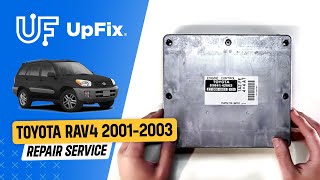
- Faulty Engine Control Module (ECM) 🔴 High Probability → Shop Engine Control Module (ECM) Specifically for 2001-2003 models, a known manufacturing defect in the ECM causes solder joints to fail over time, leading to incorrect signals that damage the transmission or mimic solenoid failure. This is the most common cause for this issue on these specific years.
How to confirm: After verifying the solenoid and wiring are good, the ECM is the likely cause on 2001-2003 models exhibiting harsh shifting. This was the subject of Toyota TSB TC002-06. Often, multiple solenoid codes (P0750, P0753, P0755, P0758) will be present.
Typical fix: The ECM must be replaced with an updated unit or sent to a specialist for repair and reinforcement of the internal solder joints. 🎬 Watch: How to repair the ECM solder joints yourself Simply replacing the transmission will not solve the problem and the new transmission may be damaged by the faulty ECM.
Est. part cost: $150-$400 for a repaired unit, $800+ for a new OEM unit. - Faulty Line Pressure Control Solenoid (SLT) 🔴 High Probability → Shop Transmission Clutch Pressure Control Solenoid The solenoid can fail mechanically (plunger gets stuck) or electrically (internal short) from heat, age, and contaminated fluid.
How to confirm: Disconnect the solenoid and test its resistance with a multimeter. The value should be within the manufacturer's specification (typically 5-6 ohms for SLT solenoids). A professional can also command the solenoid with a bi-directional scan tool to see if it clicks and monitor line pressure readings.
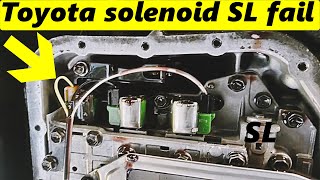
Typical fix: Drop the transmission pan and filter, unbolt and replace the faulty solenoid. 🎬 Watch: Step-by-step transmission shift solenoid replacement
Est. part cost: $90-$250 - Low, Burnt, or Dirty Transmission Fluid 🟡 Medium Probability → Shop Transmission Assembly Old, degraded fluid loses its lubricating properties and can contain abrasive particles or sludge that clogs the small passages in the valve body and causes the solenoid plunger to stick.
How to confirm: Check the transmission fluid level and condition on the dipstick. If it's dark brown/black, smells burnt, or contains visible metal shavings, it indicates a problem requiring at least a fluid change.
Typical fix: Perform a transmission fluid drain-and-fill. If the fluid is very contaminated, a full flush may be attempted, but internal damage may already be present.
Est. part cost: $50-$150 for fluid - Damaged Wiring or Connector ⚪ Low Probability A short-to-power in the wiring harness can keep the solenoid energized constantly, mimicking a 'stuck on' condition. This can happen from chafing against the chassis or heat damage.
How to confirm: Visually inspect the wiring harness leading to the transmission for any signs of damage, melting, or corrosion. Test for continuity and shorts using a multimeter from the TCM connector to the transmission connector.
Typical fix: Repair or replace the damaged section of the wiring harness.
Est. part cost: $20-$500 depending on the extent of damage.
Rare But Worth Checking
- Failing Transmission Valve Body: → Shop Transmission Valve Body While less common than a single solenoid failure, wear or blockages within the valve body can prevent proper pressure regulation, causing this code. This is more likely on very high-mileage vehicles or those with a history of poor fluid maintenance.
Diagnosis Steps
- Scan for all stored trouble codes. Note any other transmission-related codes, especially other solenoid codes.
- Check the transmission fluid level and condition. If low, top it off. If dark, burnt, or full of debris, a fluid change is needed, but be aware this may be a symptom of a larger problem.
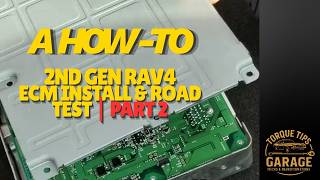
- For 2001-2003 models: Seriously consider the known ECM failure issue. If multiple solenoid codes are present with harsh shifting, the ECM is the primary suspect. Many owners opt to send the ECM for repair as a preventative or diagnostic measure. 🎬 See: Reinstalling and testing a repaired RAV4 ECM
- Inspect the transmission wiring harness and connectors for any visible damage, corrosion, or loose connections.
- If possible, use a bi-directional scan tool to monitor the commanded state of the pressure control solenoid and the actual transmission line pressure.
- Drop the transmission oil pan to access the solenoids. Identify the line pressure control (SLT) solenoid.
- Disconnect the solenoid and measure its internal resistance with a multimeter. Compare the reading to the factory specification. An open or shorted reading indicates a bad solenoid.
- If the solenoid and wiring test good, the issue may lie within the valve body or, on early models, the ECM.
Parts You'll Likely Need
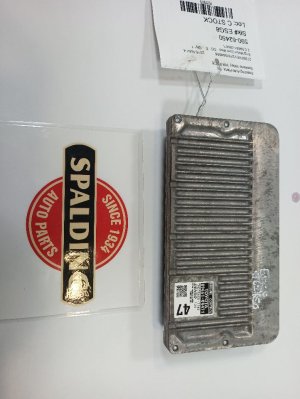
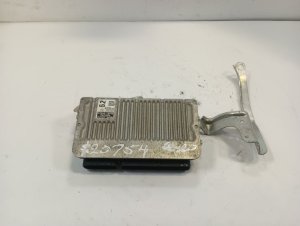
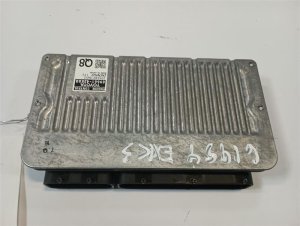
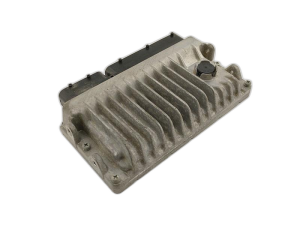
- Engine Control Module (ECM / PCM)
(OEM #Varies (e.g., 89661-42820, 89661-42660, 89661-42650 for 2001-2003 models))— The most common cause of P0747 and other transmission issues on 2001-2003 RAV4s due to a known defect.
Trusted brands: Toyota (OEM), Circuit Board Medics (Repair Service), Martyn Auto Electronics (Repair Service)
OEM price range: $800-$1300
Aftermarket price range: $150-$400 (for repair service) - Line Pressure Control Solenoid (SLT)
(OEM #35290-21010 (for U140F/U241E), 35290-45010 (for U151E), 35290-33040 (for U760E))— This is the 'Pressure Control Solenoid A' referenced by the code. It can stick or fail electrically. Part number depends on the transmission type.
Trusted brands: Toyota (OEM), Aisin, Rostra
OEM price range: $150-$250
Aftermarket price range: $80-$150 - Automatic Transmission Fluid
(OEM #Toyota Genuine ATF WS (for U151/U760) or Type T-IV (for U140/U241))— Fluid must be changed to replace the solenoid or as a first step if the old fluid is dirty.
Trusted brands: Toyota (OEM), Idemitsu, Valvoline MaxLife
OEM price range: $12-$18 per quart
Aftermarket price range: $8-$15 per quart - Automatic Transmission Filter
(OEM #Varies by transmission)— Should be replaced whenever the transmission pan is removed.
Trusted brands: Toyota (OEM), Wix, ATP
OEM price range: $40-$70
Aftermarket price range: $15-$30
Related Codes That Often Appear With This One
- P0746 — This code is for 'Pressure Control Solenoid 'A' Performance or Stuck Off'. Seeing it with P0747 can indicate an intermittent electrical or mechanical problem with the solenoid or its circuit.
- P0750, P0753, P0755, P0758, P1760 — On 2001-2003 models, these shift solenoid codes often appear alongside harsh shifting issues, all pointing towards the common ECM failure described in TSB TC002-06.
Technical Service Bulletins (TSBs) & Recalls
- TC002-06: Harsh Shift and/or M.I.L. 'ON' with DTCs P0750, P0753, P0755, P0758, and/or P1760. This TSB explicitly identifies the ECM as the root cause for these issues in 2001-2003 RAV4s and calls for its replacement.
- T-SB-0023-15: Torque Converter Flex Lock-up Shudder. Affects 2013-2015 RAV4s with the U760E transmission, addressing a shudder between 25-50 mph. While not a P0747 cause, it's a significant transmission issue for the XA40 generation.
- T-SB-0318-08: Steering Intermediate Shaft Noise. For 2006-2008 models, addresses a clunking noise from the steering column.
- T-SB-0094-11 (Obsoleted by T-SB-0030-15) & T-SB-0158-14: 2AZ-FE Engine Oil Consumption. These TSBs outline the inspection and repair procedure for excessive oil consumption on 2006-2008 RAV4s with the 2.4L engine.
Platform-Specific Known Issues
- Owner Experience: ECM Repair Solves Most, But Not All, Shifting Issues: In a detailed YouTube series, an owner of a 2002 RAV4 with classic harsh shifting symptoms sent their ECM for repair. Upon reinstallation, the violent reverse engagement and most harsh shifts were gone. However, some hesitation between 2nd and 3rd gear remained, and the check engine light returned, indicating that while the ECM was the primary culprit, some secondary mechanical wear or a separate solenoid issue might still exist in the high-mileage transmission.
- Forum Consensus: Don't Replace the Transmission First on a 2001-2003: → Shop Transmission Assembly Numerous threads on Toyota
Mechanic-Grade Diagnostic Values
- Line Pressure Control (SLT) Solenoid Resistance — expected: 5.0 to 5.6 Ω at 20°C (68°F) for both U140F and U760E transmissions.. Failure: A reading of infinite ohms (open circuit) or near zero ohms (short circuit) indicates a failed solenoid.
- Line Pressure (U140F Transmission) — expected: At idle: 372-412 kPa (54-60 psi) in Drive. At stall speed: 931-1,031 kPa (135-150 psi) in Drive.. Failure: Pressure readings significantly higher than specified can indicate a stuck-on SLT solenoid or a faulty regulator valve.
Scan Tool Commands That Help
- Toyota Techstream: Active Test: 'SOLENOID (SLT)' — This function allows a technician to manually command the SLT solenoid on or off. By turning it off, the line pressure should rise to its maximum. This directly tests the solenoid's electrical and mechanical response, helping to isolate it from a wiring or ECM problem.
- Toyota Techstream: Data List Monitoring — Use this to view the live status (commanded On/Off) of the SLT solenoid alongside the live transmission fluid pressure readings. For a P0747, you would check if the PCM is commanding the solenoid 'On' constantly or if the pressure remains high even when the solenoid is commanded 'Off'.
Wiring & Ground Locations
- ECM (XA20) — Located behind the glove compartment on 2001-2005 models.. This is the location of the failure-prone ECM on early models. Access is required for inspection, testing, or replacement.
- SLT Solenoid Pins (U760E) — At the ECM, pins are E26-15 (SLT+) and E26-14 (SLT-). At the transmission case connector (A), pins are A-12 (SLT+) and A-7 (SLT-).. These specific pin numbers are required to perform continuity and short-to-ground/power tests on the wiring harness between the ECM and the transmission.
- Transmission Case Connector — The main electrical connector on the outside of the transmission housing.. This connector is a critical failure point. On a flooded vehicle, it was found to have a poor connection due to missing bolts, causing intermittent solenoid and sensor codes. Physical inspection for damage, corrosion, and secure fitment is crucial.
Real Owner Repair Stories
- RAV4World Forum & multiple ECM repairers (2002-2003 Toyota RAV4) — Violent, banging shifts, particularly from 1-2 and when engaging Reverse. Multiple transmission solenoid codes stored (P0750, P0753, P0755, P0758, P1760).
❌ Tried (didn't work) Replacing individual solenoids., Replacing the entire transmission assembly (the new transmission would soon be damaged by the same faulty ECM).
✅ What actually fixed it Sending the original Engine Control Module (ECM) to a specialist for repair of the known internal solder joint defects, or replacing it with a revised OEM part. - YouTube video by 'Drive Safe Automotive' (2016/2017 Toyota Camry with U760E transmission (same as 2013-2016 RAV4)) — Vehicle was a flood car. Check engine light on with multiple codes for speed sensors and pressure control solenoids. No proper shifting.
❌ Tried (didn't work) Clearing codes (they returned immediately)., Initial visual inspection showed nothing obviously broken inside the pan.
✅ What actually fixed it The technician found the main transmission case connector was missing two bolts, causing a poor connection. Wiggling the harness by hand caused the sensor voltage to fluctuate wildly on the scan tool. The temporary fix was securing the connector, but the permanent fix required replacing the damaged harness connectors.
"I Checked Everything" — The Actual Cause
- For this electronic code, the equivalent scenario is 'solenoid tests good, wiring has continuity, but the code persists.' On 2001-2003 RAV4s, this exact scenario is a classic indicator of ECM failure. Technicians may replace the SLT solenoid and verify the wiring is intact, yet the harsh shifting and P0747 code remain because the driver circuit inside the ECM is failing, especially when hot. The root cause is cracked solder joints on internal components of the ECM, which is not something found through conventional wiring or component tests.
OEM Part Supersession History
89661-42650 (for 2001-2003 RAV4)→89661-42651, 89661-42652, 89661-42653, 89661-42654, and finally service kit 04009-41242.— Original ECMs had a manufacturing defect leading to solder joint failure and transmission control problems.
Heads up: Installing an old, un-repaired part number will lead to a repeat failure. The repair involves replacing it with the latest revision or having the original professionally rebuilt.89661-42820 (for 2001-2003 RAV4)→89661-42821, 89661-42822, and finally service kit 04009-39542.— Same manufacturing defect as other ECMs in this period, causing harsh shifting and solenoid codes.
Heads up: Using an unrevised part number is not a permanent fix.
Model Year Variations Within This Range
- 2001-2003: These model years are uniquely susceptible to ECM failure causing P0747 and other transmission codes due to a known manufacturing defect. Toyota issued TSB TC002-06 (later revised) for this specific issue, which is the primary cause over actual solenoid failure.
- 2012-2014 (with U760E): While not directly causing P0747, models with the U760E transmission were subject to a Limited Service Campaign (E03) for a software update to fix a torque converter shudder issue. This demonstrates that later models also had transmission control logic issues that were resolved via ECM reprogramming, which could be a potential fix if no mechanical or electrical faults are found.
Diagnostic Flowchart
Other Known Issues on This Vehicle
Issues unrelated to this code that are worth knowing about as an owner of this generation:
- Excessive Oil Consumption (2.4L 2AZ-FE Engine) 🔴 High — Very common on 2006-2008 models, often starting around 70,000 miles. Caused by defective piston ring design. (Ref: T-SB-0094-11, T-SB-0158-14 (Warranty Enhancement Program ZRE))
- Steering Intermediate Shaft Clunk 🟠 Medium — Common on 2006-2010 models, causing a clunking or popping noise when turning the wheel at low speeds. (Ref: T-SB-0318-08)
- Torque Converter Shudder (U760E/F Transmission) 🟠 Medium — Affects some 2013-2015 models, causing a shudder/vibration under light load between 25-50 mph. (Ref: T-SB-0023-15 (Warranty Enhancement Program ZG1/ZH1))
- Stripped Cylinder Head Bolt Threads (2.4L 2AZ-FE Engine) 🔴 High — A known issue on 2004-2005 models around 120,000+ miles, causing coolant leaks at the back of the engine and potential overheating.
- Water Pump Failure 🟠 Medium — A common failure item across multiple generations, especially 2006-2012 models, often occurring after 80,000 miles.
- Rear Suspension Arm Corrosion/Failure 🔴 High — Affects 2006-2012 models, especially in salt-belt regions. Improperly tightened lock nuts could lead to rust, thread damage, and alignment failure. (Ref: Recalls 16V396000, 12V373000)
Used vs. New Parts: Buying Guide for This Vehicle
When a used part is the smart pick: A complete used transmission assembly from a verified low-mileage donor vehicle can be a cost-effective option if the original transmission has suffered severe mechanical damage as a result of driving with the P0747 code.
Donor-vehicle mileage cap: roughly under 80000 miles for the part to have meaningful remaining life.
What to inspect on the donor part:
- Verify the donor vehicle's VIN to check for accident or flood history.
- If possible, inspect the transmission fluid from the donor unit; it should be reddish and clear, not dark brown, black, or smelling burnt.
- Check the case for cracks and ensure all electrical connectors and pins are intact and free of corrosion.
OEM-only on this vehicle (don't cheap out):
- Engine Control Module (ECM). For 2001-2003 models, a used, unrepaired ECM will have the same factory defect. The only reliable options are a brand new, updated OEM part or sending the original unit to a reputable electronics repair service (like Circuit Board Medics, UpFix) to be rebuilt and updated.
Aftermarket brands forum-validated for this vehicle:
- Solenoids: Aisin is the original equipment manufacturer for Toyota, making their parts the best alternative to dealer-sourced ones.
- Fluid: Idemitsu (an OEM supplier for Toyota) and Valvoline MaxLife Full Synthetic ATF are widely trusted in forums as compatible and high-quality alternatives to Toyota-branded T-IV or WS fluid.
Brands owners have reported issues with on this vehicle:
- Generic, unbranded solenoids sold on marketplaces like eBay or Amazon are frequently reported to have high out-of-box failure rates or short service lives. It is better to invest in an OEM or Aisin part.
Real Owner Stories
Aggregated from forums and TSBs cited above. Mileages and costs reflect what owners reported in those sources.
2002 Toyota RAV4 — ~150000 miles
Symptoms: Extremely harsh shifting, including violent reverse engagement and hesitation between 2nd and 3rd gear; the check engine light was illuminated.
What fixed it: The owner sent the ECM to a specialist for repair and reinforcement of internal solder joints. This resolved the violent reverse engagement and most harsh shifts, though some high-mileage mechanical wear remained.
Source hint: YouTube video '2002 Toyota RAV4 ECM Repair SUCCESS? (EP 8 Part 2) | Reinstall + Test Drive'
2002 Toyota RAV4
Symptoms: Main computer and transmission failure leading to severe shifting problems.
What fixed it: ECM replacement or repair is the consensus fix for this year to prevent further transmission damage.
Source hint: carcomplaints.com '2002 Toyota RAV4 transmission/main computer and transmission failure'
Related OBD-II Codes
Frequently Asked Questions
I have a 2002 RAV4 with harsh shifting and code P0747; does TSB TC002-06 apply to my vehicle?
Can a faulty ECM on my 2001-2003 RAV4 cause multiple solenoid codes at once?
Is it true that replacing the transmission on a 2001-2003 RAV4 might not fix P0747?
What is the typical resistance for the Line Pressure Control Solenoid (SLT) on this vehicle?
My 2014 RAV4 has a shudder between 25-50 mph; is this related to P0747?
How much does it cost to fix the ECM issue on early second-generation RAV4s?
Helpful Videos
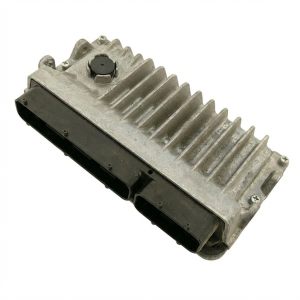
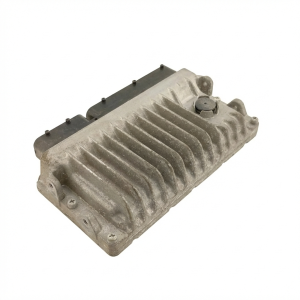
Used OEM Parts in Stock
New Aftermarket Parts Available

The information in this article is provided for general reference and educational purposes only. Vehicle specifications, procedures, and part compatibility can vary by production date, trim level, and region. Always consult your vehicle's factory service manual and verify part numbers before purchasing or performing repairs. Safety-critical components such as airbags, seat belts, and braking systems should be installed by a qualified professional.
- Toyota RAV4:
- 🧭 Diagnostic Flowchart
- 🎬 Helpful Videos
- 🛍️ Shop This Part
- What's Unique About the 2002-2016 Toyota RAV4
- Symptoms You May Notice
- Most Likely Causes
- Rare But Worth Checking
- Diagnosis Steps
- Parts You'll Likely Need
- Related Codes That Often Appear With This One
- Technical Service Bulletins (TSBs) & Recalls
- Platform-Specific Known Issues
- Mechanic-Grade Diagnostic Values
- Scan Tool Commands That Help
- Wiring & Ground Locations
- Real Owner Repair Stories
- "I Checked Everything" — The Actual Cause
- OEM Part Supersession History
- Model Year Variations Within This Range
- Other Known Issues on This Vehicle
- Used vs. New Parts: Buying Guide for This Vehicle
- Real Owner Stories
- 2002 Toyota RAV4 — ~150000 miles
- 2002 Toyota RAV4
- Related OBD-II Codes
- Frequently Asked Questions
- 🎟️ Get 5% Off