

P1629 on 2010-2012 Saab 9-5: Immobilizer Signal Not Received Fixes
This code means your Saab's engine computer (ECM) did not get the correct security password from the body control module (BCM), preventing the car from starting. It is an anti-theft measure. The cause is usually a communication failure between modules, not necessarily a bad part.
- P1629 on a 2010-2012 Saab 9-5 is a critical anti-theft code that will prevent the car from starting.
- The problem is a communication failure between the Body Control Module (BCM) and the Engine Control Module (ECM).
- Do not immediately replace parts like the key or fuel pump; they are almost never the cause.
- Diagnosis requires a professional scan tool to check for other communication codes (U-codes) and to perform a potential security system relearn.
- Check for issues with other modules on the data bus, like the ABS module, as they can be the root cause of the communication failure.
What's Unique About the 2010-2012 Saab 9-5
The 2010-2012 Saab 9-5 (known as the NG9-5) is based on the General Motors (GM) Epsilon II platform. Therefore, its diagnostic logic for this code is very similar to that of other GM vehicles of the era, such as the Buick LaCrosse and Cadillac STS. The problem is often a communication breakdown on the vehicle's data network (CAN bus) rather than a failure of a single component. The official Saab diagnostic procedure emphasizes checking for Body (B-prefix) and Communication (U-prefix) codes before diagnosing P1629, as these often point to the root cause.
Symptoms You May Notice
- Engine cranks but does not start.
- Engine starts for a second and then immediately stalls.
- Security indicator light is on or flashing in the instrument cluster.
- Starter motor may be disabled, resulting in a no-crank condition.
- Instrument cluster gauges may be inoperative or behave erratically.
- Replacing the key fob or ignition switch. This code points to a module-to-module communication failure, not a failure to read the key itself.
- Replacing the fuel pump. The no-start condition is because the ECM is intentionally disabling fuel, not because the pump has failed.
Most Likely Causes
- Communication Failure Between BCM and ECM 🔴 High Probability The NG9-5's electrical system relies on complex GM data networks (CAN bus). Any interruption, such as a corroded connector or damaged wire, can cause modules to lose communication. On related GM platforms, issues with other modules on the same data bus, like the ABS module, have been known to interrupt BCM-ECM communication and trigger a P1629.
How to confirm: Use a professional scan tool to check for communication (U-prefix) codes and Body (B-prefix) codes. The Saab WIS states that any immobilizer B-codes must be diagnosed before P-codes. A scan tool may show a 'No Communication' status with the BCM or other related modules.
Typical fix: Diagnose and repair the underlying communication fault. This often involves inspecting and cleaning major harness connectors for corrosion or loose pins. On some GM vehicles, the main transmission connector (X1) is a known weak point that can cause this issue. Repairing the specific wiring or connector fault is the most common solution.
Est. part cost: $0-$200 - BCM or ECM Synchronization Issue 🟡 Medium Probability This can sometimes occur after a battery has been disconnected, has gone dead, or after other electrical work. Low battery voltage can cause modules to lose their programming or synchronization.
How to confirm: Attempting an immobilizer relearn procedure with a compatible scan tool is the primary way to confirm and fix this. If the procedure completes successfully and the car starts, a sync issue was the cause.
Typical fix: Perform the Immobilizer System Component Programming 🎬 See this quick guide for the GM module relearn procedure. (relearn procedure) using a Saab-specific scan tool like a Tech 2.
Est. part cost: $0 - Faulty Body Control Module (BCM) ⚪ Low Probability → Shop Body Control Module While less common than communication issues, the module responsible for generating the security password can fail internally. Water intrusion and voltage spikes are common causes of BCM failure.
How to confirm: After ruling out all wiring, connection, and synchronization issues, the BCM is suspected. Symptoms can include erratic behavior of lights, windows, and locks. Advanced diagnostics with a scan tool are needed to confirm the BCM is unresponsive or malfunctioning.
Typical fix: Replace the Body Control Module and program the new unit to the vehicle using a specific scan tool. A used BCM may be an option but will still require programming.
Est. part cost: $200-$500 - Faulty Engine Control Module (ECM) ⚪ Low Probability → Shop Engine Control Module (ECM) The ECM is generally robust, but it can fail internally and become unable to correctly receive or process the security password. This is often a diagnosis of last resort.
How to confirm: This is typically the last component to be suspected after all other possibilities, including wiring, BCM, and sync issues, have been exhausted. A professional may need to test the ECM on a bench.
Typical fix: Replace the Engine Control Module and program it to the vehicle.
Est. part cost: $300-$800
Rare But Worth Checking
- Wiring or Connector Damage: Although a communication failure is the common cause, the specific point of failure could be a corroded connector or damaged wire between the BCM and ECM. This is especially true on GM platforms of this era where certain harness connectors are known weak points. On a related platform, a damaged connector in the rear wheel well for the AWD module was found to disrupt the data bus and cause communication loss.
- Faulty ABS Module: On platform-mate vehicles like the Buick LaCrosse, a failing ABS module (EBCM) has been documented to disrupt the vehicle's data bus, preventing the BCM and ECM from communicating and leading to a P1629 code and a no-start condition. If ABS or Traction Control warnings are also present 🎬 Watch: Diagnosing no-start and communication issues on the GM platform., this module should be investigated.
Diagnosis Steps
- Connect a professional scan tool capable of reading all modules on a 2010-2012 Saab 9-5 (e.g., GM Tech 2 with Saab software or an MDI interface).
- Check for any Body (B-prefix) or Communication (U-prefix) codes. Per the Saab Workshop Information System (WIS), these must be diagnosed and resolved before addressing P1629.
- Verify battery voltage is stable and above 12.4V. Low voltage can cause communication errors between modules.
- If no other codes are present, attempt to clear P1629. A current DTC will clear if a correct password is received on the next key cycle.
- If the code returns, use the scan tool to perform the 'Immobilizer Relearn' or 'Immobilizer System Component Programming' procedure.
- If the relearn procedure fails or the code persists, inspect the wiring and connectors between the Body Control Module (BCM) and the Engine Control Module (ECM) for any signs of damage, corrosion, or loose pins. Pay attention to major harness pass-through connectors.
- Check for communication with all modules on the data bus. If other modules (like ABS or TCM) are also offline, the fault is likely in the shared network wiring.
- If wiring and communication links are verified to be good and the relearn fails, the issue likely lies with either the BCM or the ECM, requiring further advanced testing or replacement.
Parts You'll Likely Need
- Body Control Module (BCM)
(OEM #13501739)— The BCM is responsible for generating the security password. If it fails internally, it cannot communicate correctly with the ECM.
Trusted brands: ACDelco, Genuine GM
OEM price range: $200-$500
Aftermarket price range: $150-$400 - Engine Control Module (ECM) — The ECM must receive and validate the password. A fault within the ECM can prevent it from completing the security handshake, even if the BCM sends a correct signal.
Trusted brands: ACDelco, Genuine GM
OEM price range: $300-$800
Aftermarket price range: $250-$600
Related Codes That Often Appear With This One
- U0140 — This code means 'Lost Communication With Body Control Module 🎬 Watch: How to troubleshoot and fix CAN bus network errors.'. If the ECM cannot talk to the BCM at all, it cannot receive the security password, leading to P1629. The U0140 is the root cause in this case.
- P1631 — On related GM systems, this code means 'Theft Deterrent Password Incorrect'. This indicates the ECM received a password, but it didn't match. P1629 often means no signal was received at all. Seeing them together can help pinpoint the nature of the communication error.
Platform-Specific Known Issues
- Instrument Cluster and Steering Lock Warnings: Owners on forums have reported intermittent issues where the instrument cluster lights dim or go out, sometimes accompanied by a 'Steering Lock Needs Service' message. These electrical gremlins can be related to a weak battery or failing modules that share the same data bus as the immobilizer system, potentially leading to a P1629 code.
Mechanic-Grade Diagnostic Values
- High-Speed GMLAN Bus Resistance — expected: 60 Ohms (with battery disconnected, measured between Pin 6 and Pin 14 of the Data Link Connector).. Failure: A reading of 120 Ohms indicates a break in the circuit or a faulty terminating resistor in one of the modules (ECM or BCM). A reading near 0 Ohms indicates a short between the high and low circuits.
- Theft Deterrent Signal Frequency (GM platforms) — expected: 40-60 Hz (measured on the signal wire from the BCM to the ECM).. Failure: A frequency outside this range or a flat 0V/5V signal indicates a problem with the BCM's output or the wiring.
- Battery Voltage (Key On, Engine Off) — expected: Above 12.4 Volts.. Failure: Voltage below this level can cause unpredictable communication errors between modules, leading to a false P1629.
Hidden / Shadow Codes Worth Checking
- Immobilizer B-codes (e.g., B-prefix codes): The Saab Workshop Information System (WIS) explicitly states that any Body (B-prefix) codes related to the immobilizer system must be diagnosed and fixed *before* addressing engine code P1629. These codes point to faults within the body control system (like the BCM itself or its inputs) and are often the true root cause. (see via A professional scan tool with Saab-specific software, such as a GM Tech 2 or an MDI/MDI2 interface.)
Scan Tool Commands That Help
- Tech 2 / MDI with Service Programming System (SPS): IMMO Immobilizer Learn - Setup — This is the primary relearn procedure to use after a battery disconnect or if a synchronization issue is suspected. It attempts to re-establish the security handshake between the existing BCM and ECM.
- Tech 2 / MDI with Service Programming System (SPS): BCM Body Control Module - Programming — This function is required when installing a new or used Body Control Module. It loads the correct vehicle-specific software onto the module before it can be learned into the immobilizer system.
- Tech 2 / MDI with Service Programming System (SPS): Immobilizer System Component Programming — This is the general heading for all security-related programming. A critical note from the WIS is that the immobilizer learn process can take 10-12 minutes and the scan tool may appear frozen; this is a normal security delay and the process should not be interrupted.
Wiring & Ground Locations
- Body Control Module (BCM) — Located at the left end of the dashboard, accessible after removing the driver's side lower instrument panel trim.. This module generates the security password. Its connectors (seven total) and ground connection are primary points of inspection for corrosion or damage.
- Engine Control Module (ECM) — Located in the engine compartment. On the NG9-5, it is typically at the right rear of the engine bay.. This module must receive and validate the password from the BCM. Its connectors are exposed to heat and vibration, making them a potential point of failure.
- G106 / G109 — G106 is on the left center of the radiator support. G109 is on the left strut tower in the engine compartment.. These are key engine compartment ground points. A poor ground here can affect the ECM and other critical systems, causing communication faults.
- G206 — A ground point located in the dash area.. A poor interior ground can affect the Body Control Module, interrupting its ability to communicate with the ECM.
- Transmission X1 Connector (GM Platform Weakness) — The main electrical harness connector on the transmission housing.. On related GM Epsilon II platforms, Technical Service Bulletins have identified this connector as a common source of corrosion and unseated pins, which can disrupt the entire vehicle data bus and cause communication codes like P1629.
Real Owner Repair Stories
- Reddit user on r/saab (2008 Saab 9-3 2.0T (related GM Epsilon platform)) — Intermittent no-crank, no-start condition. All dash lights and electronics work, but the ignition does not engage. Occasionally shows a 'Stability Control Malfunction' warning.
❌ Tried (didn't work) Replacing and pairing a new ECU (fixed problem for only a few days)., Replacing and pairing a new Column Integration Module (CIM) (fixed problem for only one day)., Bypassing the ABS module., Replacing the battery and cleaning terminals.
✅ What actually fixed it The user's story highlights that replacing major components did not solve the intermittent communication issue, strongly pointing to an underlying and difficult-to-find wiring, connector, or ground fault that was temporarily resolved by the act of moving harnesses around during component replacement. The final fix was not posted, but the diagnostic journey is highly valuable.
Diagnostic Flowchart
Other Known Issues on This Vehicle
Issues unrelated to this code that are worth knowing about as an owner of this generation:
- Timing Chain Stretch (2.8T V6 Engine) 🔴 High — A widely known issue for the GM LP9/B284 V6 engine, often linked to extended oil change intervals. Can occur from 60,000 miles onward.
- Haldex (XWD) All-Wheel Drive System Service 🟠 Medium — The Haldex AWD system requires periodic fluid and filter changes. Neglecting service can lead to pump failure or clutch pack issues, resulting in loss of AWD.
- Automatic Transmission Failure (Diesel Models) 🔴 High → Shop Transmission Assembly — Primarily reported on the 2.0 TTiD diesel models (less common in North America), involving valve body and complete gearbox failures at higher mileage.
- Instrument Cluster/Interior Electrical Glitches 🟡 Low — Owners report sporadic issues like dimming dashboard lights, erratic gauges, or steering lock service messages, often traced to a weak battery or loose connections.
- Steering Rack Seal Leaks 🟠 Medium — Some vehicles have experienced power steering fluid leaks from the steering rack seals at relatively low mileage (e.g., around 20,000-30,000 miles).
Used vs. New Parts: Buying Guide for This Vehicle
When a used part is the smart pick: A used BCM or ECM from a reputable salvage yard is a very smart and cost-effective choice for this repair, as the modules themselves are generally reliable. The cost savings are significant compared to a new OEM part.
Donor-vehicle mileage cap: roughly under 150000 miles for the part to have meaningful remaining life.
What to inspect on the donor part:
- Verify the part number on the used module EXACTLY matches the original.
- Inspect all connector pins on the used module to ensure none are bent, corroded, or broken.
- Source the part from a vehicle that was not involved in a flood or a severe front-end collision.
- If possible, get the key from the donor vehicle, although it is not strictly necessary as the module will be reprogrammed.
OEM-only on this vehicle (don't cheap out):
- Control Modules (BCM, ECM): While you can buy used, you should only use Genuine GM/Saab parts. There are no reliable third-party 'new' aftermarket BCMs or ECMs for this application. The choice is between new OEM and used OEM.
Aftermarket brands forum-validated for this vehicle:
- For this repair, the 'brand' to know is not for parts, but for services. Mail-in programming services like S.O.S. Diagnostics can program a used module to your car's VIN and key data, making it a plug-and-play solution for DIYers who do not own a Tech 2 tool.
Brands owners have reported issues with on this vehicle:
- Avoid any unbranded, 'new' control modules from online marketplaces. These are often untested, unreliable, or cannot be properly programmed to the vehicle.
Real Owner Stories
Aggregated from forums and TSBs cited above. Mileages and costs reflect what owners reported in those sources.
2011 Saab 9-5
Symptoms: Intermittent dimming or failure of instrument cluster lights, accompanied by a 'Steering Lock Needs Service' message, which can precede the P1629 no-start condition.
What fixed it: The issue was traced to a weak battery or a failing module on the shared data bus, which was disrupting communication for the immobilizer system.
Source hint: Reddit r/saab/comments/1dmsq2t/ng_95_steering_lock_and_dash_lights_issues/
2010 Saab 9-5
Symptoms: The car would intermittently crank but fail to start, setting the P1629 immobilizer code.
What fixed it: The root cause was a communication fault. The fix involved inspecting and cleaning major harness connectors between the BCM and ECM for corrosion and ensuring a solid connection.
Source hint: saabworld.net thread titled 'intermittent-no-start-and-p1629.33385/'
Related OBD-II Codes
Frequently Asked Questions
My 2011 Saab 9-5 cranks but won't start and has a flashing security light. Could a weak battery have caused this P1629 code?
I have a P1629, but I'm also seeing a 'Steering Lock Needs Service' message. Are these two issues related?
Is it common to replace the Engine Control Module (ECM) to fix a P1629 on this Saab?
The Saab workshop manual says to diagnose 'B' and 'U' codes before P1629. Why is that important?
Can I just perform the 'Immobilizer Relearn' procedure myself to fix this?
My Buick LaCrosse has a P1629. Is the cause likely similar to the Saab 9-5?
Helpful Videos

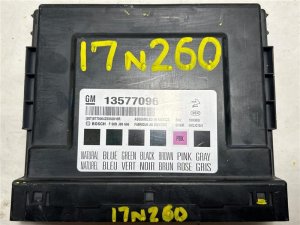
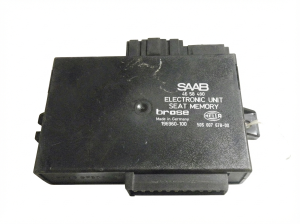
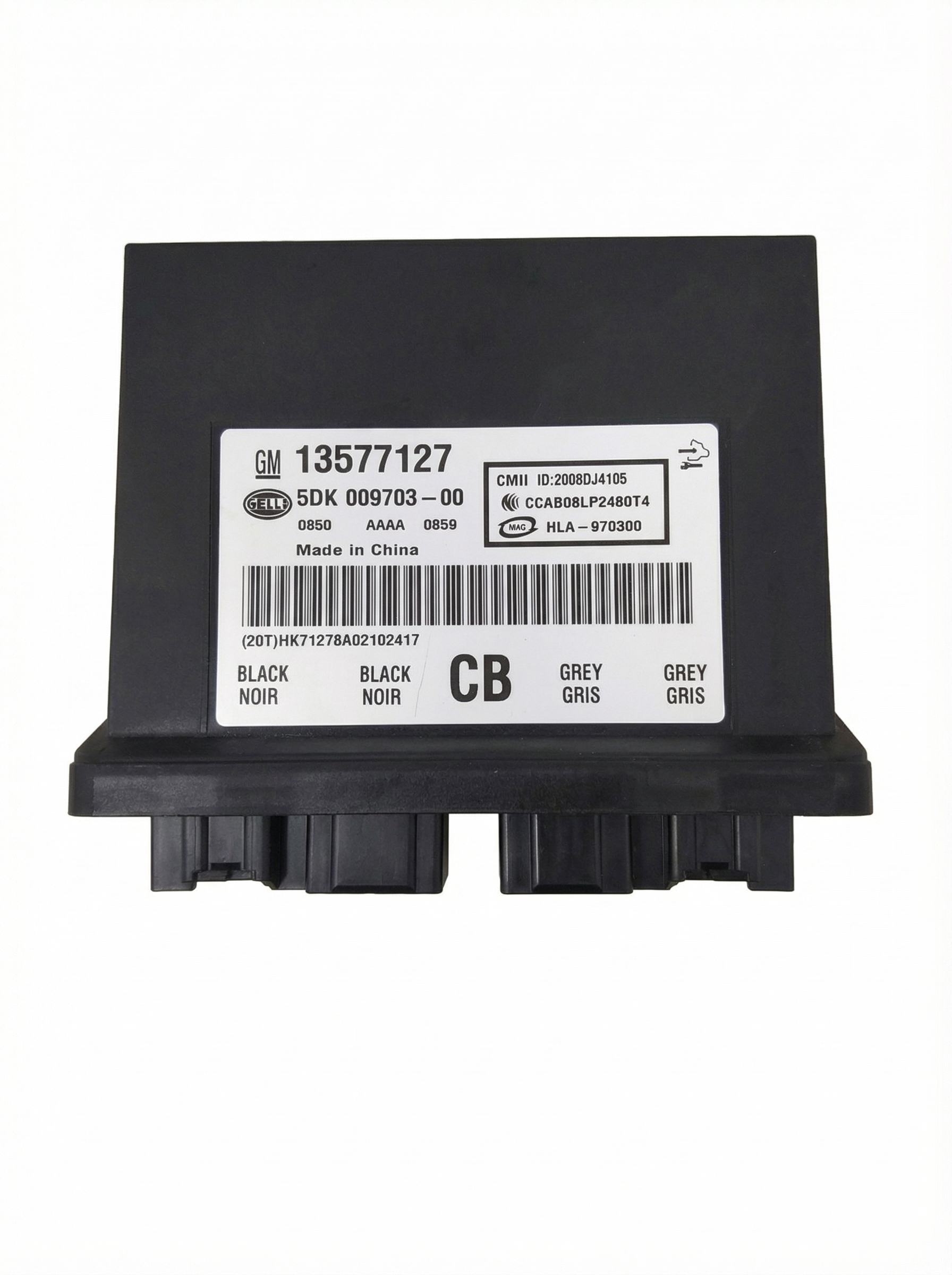
We Have This Part in Stock
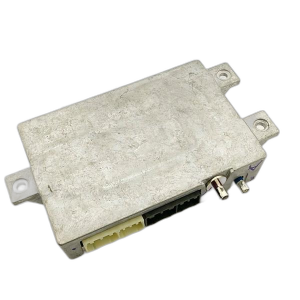
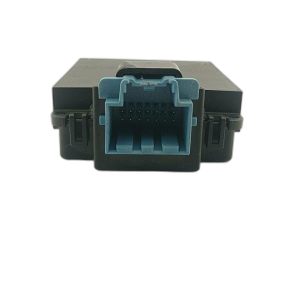

The information in this article is provided for general reference and educational purposes only. Vehicle specifications, procedures, and part compatibility can vary by production date, trim level, and region. Always consult your vehicle's factory service manual and verify part numbers before purchasing or performing repairs. Safety-critical components such as airbags, seat belts, and braking systems should be installed by a qualified professional.
- Saab 9-5:
- 🧭 Diagnostic Flowchart
- 🎬 Helpful Videos
- 🛍️ Shop This Part
- What's Unique About the 2010-2012 Saab 9-5
- Symptoms You May Notice
- Most Likely Causes
- Rare But Worth Checking
- Diagnosis Steps
- Parts You'll Likely Need
- Related Codes That Often Appear With This One
- Platform-Specific Known Issues
- Mechanic-Grade Diagnostic Values
- Hidden / Shadow Codes Worth Checking
- Scan Tool Commands That Help
- Wiring & Ground Locations
- Real Owner Repair Stories
- Other Known Issues on This Vehicle
- Used vs. New Parts: Buying Guide for This Vehicle
- Real Owner Stories
- 2011 Saab 9-5
- 2010 Saab 9-5
- Related OBD-II Codes
- Frequently Asked Questions
- 🎟️ Get 5% Off