

P0302 on 2013-2016 Dodge Dart 1.4L Turbo: Cylinder 2 Misfire Causes and Fixes
On a 2013-2016 Dodge Dart with the 1.4L Turbo engine, code P0302 is almost always caused by a worn spark plug or a faulty ignition coil. These are simple DIY fixes, with a new coil costing $40-$80 and a new set of four OEM-spec NGK Iridium spark plugs costing around $60-$70. If these parts don't solve the issue, the cause could be a more serious failure of the MultiAir actuator 'brick'.
- P0302 on a 1.4L Dart is a misfire on cylinder 2. Do not drive if the check engine light is flashing to avoid catalytic converter damage.
- Start your diagnosis by checking the easiest and most common culprits: the ignition coil and spark plug. A 'swap test' on the ignition coil is the fastest way to confirm if it's faulty.
- This engine requires full synthetic 5W-40 oil. Check the oil level and quality, as low or incorrect oil is a known cause of misfires due to the sensitive MultiAir system.
- If new plugs and coils don't fix the issue, and you see other codes like P1048 or P1068, the problem is likely the expensive MultiAir actuator ('brick').
- Before replacing any parts, check the main engine computer harness connection near the battery for a secure fit, as a loose connection can sometimes cause misfire codes.
What's Unique About the 2013-2016 Dodge Dart
While ignition parts are the most common cause of a P0302 code, the 1.4L MultiAir Turbo engine has a unique variable valve lift system controlled by the "MultiAir brick." This component is highly sensitive to oil level and quality and is a well-documented failure point that can cause a persistent misfire in a single cylinder that won't be fixed by new plugs or coils. Therefore, checking the oil level and type (full synthetic 5W-40 is required) is a critical first step, and looking for other MultiAir-related codes (like P1048 or P1068) is crucial for an accurate diagnosis.
Symptoms You May Notice
- Rough or shaking idle
- Hesitation or stumbling during acceleration
- Reduced engine power
- Flashing or solid Check Engine Light
- Poor fuel economy
- Engine stalling
- Audible 'popping' or 'sputtering' from the exhaust
- Rough running conditions as noted in manufacturer documentation
- Replacing only the spark plug when the ignition coil is the actual failure.
- Replacing ignition components when the true cause is a failing MultiAir actuator, indicated by accompanying P10xx codes.
- Replacing the valve cover for a suspected oil leak when a small, broken O-ring in the air/oil separator assembly was the actual culprit.
Most Likely Causes
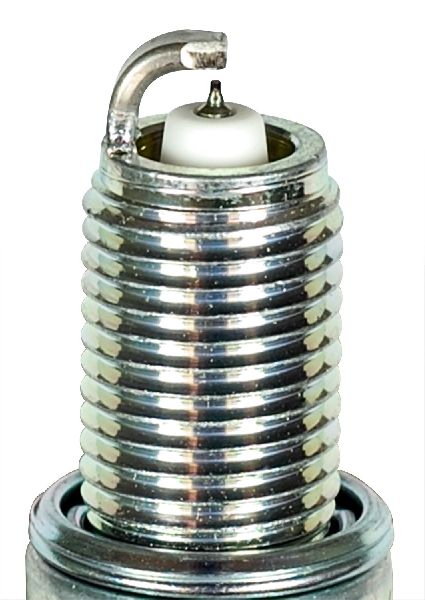
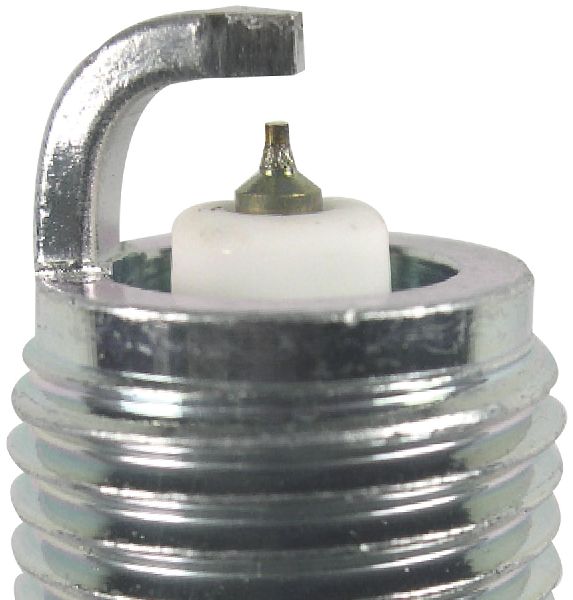
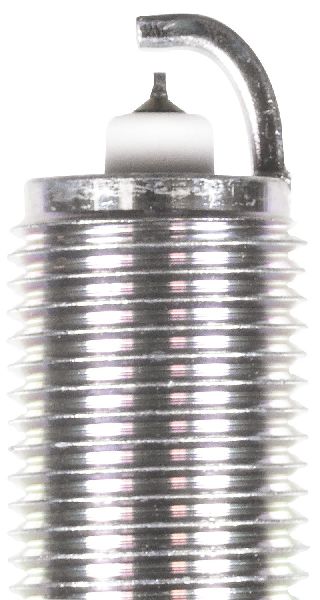
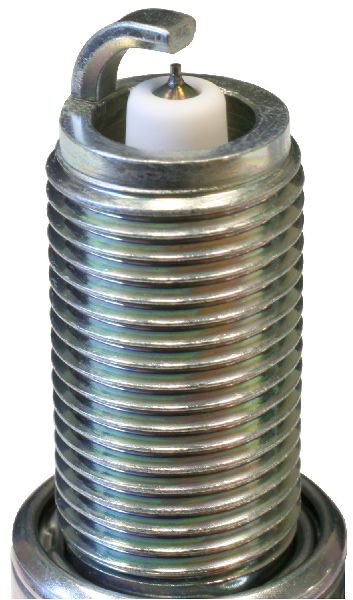
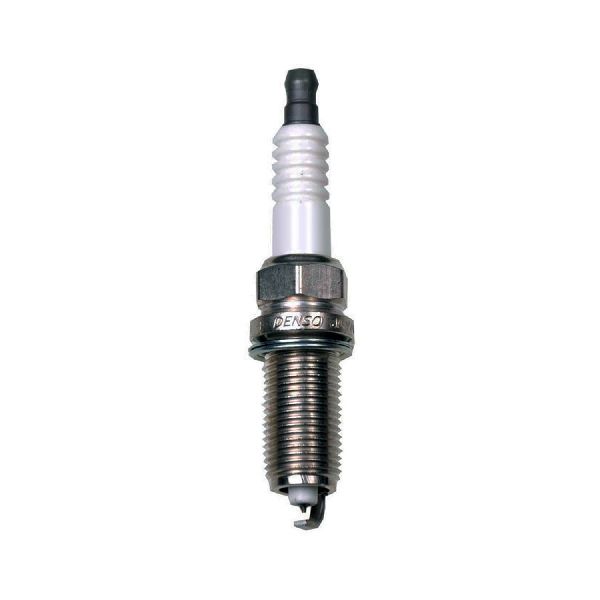
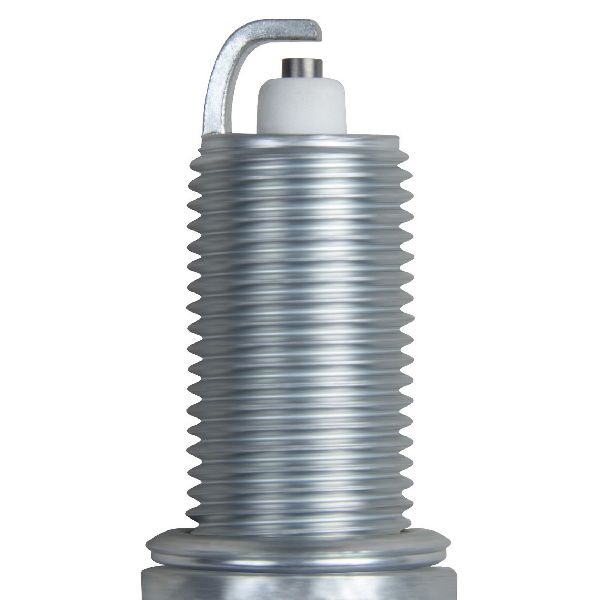
- Worn or Faulty Spark Plug 🔴 High Probability → Shop Spark Plug The 1.4L Turbo engine has a short spark plug service interval of approximately 30,000-32,000 miles. Using the correct OEM-spec Iridium plugs (NGK SIKR9A7) is critical for performance and longevity, as owners report non-OEM plugs can wear out in as little as 10,000 miles.
How to confirm: Remove the spark plug from cylinder 2 and inspect it for wear, damage, carbon fouling, or a cracked ceramic insulator. The gap should be checked; owners report new plugs arriving with gaps as wide as .028" or as narrow as .024", with a target of around .025" being ideal.
Typical fix: Replace the spark plug. It is highly recommended to replace all four plugs at the same time with OEM-spec NGK plugs to ensure balanced performance.
Est. part cost: $15-$25 per plug, or ~$65 for a set of four. - Faulty Ignition Coil 🔴 High Probability → Shop Ignition Coil Coil-on-plug systems are a common failure point due to constant exposure to heat and vibration. The 1.4L turbo engine is known to be hard on ignition components, with coils failing around 100k-120k miles. The plastic connector clips also become very brittle and can break, causing a poor connection.
How to confirm: Swap the ignition coil from cylinder 2 with another cylinder (e.g., cylinder 1). Clear the codes and drive the vehicle. If the code changes to P0301, the ignition coil is faulty.
Typical fix: Replace the failed ignition coil. It is held in place by a single 10mm bolt. Be gentle with the red locking tab on the electrical connector.
Est. part cost: $40-$80 for aftermarket, $80-$120 for OEM - Failed MultiAir Actuator ('Brick') 🟡 Medium Probability This is a well-documented, expensive failure point on the 1.4L MultiAir engine. The system is hydraulic and extremely sensitive to low, dirty, or incorrect viscosity engine oil (5W-40 full synthetic required), which can lead to solenoid failure within the actuator.
How to confirm: After ruling out spark and ignition, check for other diagnostic trouble codes, specifically MultiAir codes like P1048 (Cylinder 2 Oil Supply Solenoid Overcurrent) or P1068 (Cylinder 2 Oil Supply Solenoid Valve Switch Off Time Out Of Range). These codes strongly point to a failed brick as the root cause of the P0302 misfire.
Typical fix: The entire MultiAir actuator assembly must be replaced. The internal solenoids are not sold separately. This is a costly and complex repair, though some owners have sourced used units from junkyards to save money.
Est. part cost: $500-$900 (aftermarket/used) to $1100-$1700 (OEM). - Faulty or Clogged Fuel Injector ⚪ Low Probability → Shop Fuel Injector
How to confirm: After confirming spark and compression are good, listen to the injector with a mechanic's stethoscope or a long screwdriver. A healthy injector will make a consistent clicking sound. You can also swap the injector with another cylinder to see if the misfire follows, though this is more labor-intensive.
Typical fix: Replace the faulty fuel injector. They are a known wear item, with some owners on forums suggesting they are a likely cause for misfires on higher-mileage (100k+ miles) vehicles after plugs and coils are ruled out.
Est. part cost: $50-$100
Rare But Worth Checking
- Poor ECU/PCM Connection: A simple but overlooked cause can be a poor connection at the main engine computer harness. Before replacing expensive parts, it's worth unplugging the main connectors (located near the battery), cleaning them with electronics cleaner, and reseating them firmly. Some owners have fixed persistent misfires with this free, five-minute check.
- Low Engine Compression: This indicates a serious internal engine problem like worn piston rings, a bad valve, or a head gasket failure. A compression test is needed to confirm this after all other causes are ruled out.
- Leaking Valve Cover Gasket / Spark Plug Tube Seals: → Shop Engine Valve Cover While more common on the 2.4L Dart engine, a leak from the spark plug tube seals can allow oil to pool in the spark plug well, fouling the plug and shorting out the ignition coil. If you find oil on the coil boot when removing it, the valve cover gasket set needs to be replaced.
Diagnosis Steps
- Check the engine oil level and condition. The MultiAir system requires full synthetic 5W-40 oil. If the oil is low, dirty, or the wrong type, it can cause misfires.
- Read the codes with an OBD-II scanner and note any other codes present, especially MultiAir-specific codes (P10xx) like P1048 or P1068.
- Perform an ignition coil 'swap test'. Move the ignition coil from cylinder 2 to cylinder 1. Clear the codes and run the engine. If the code changes to P0301, the ignition coil is bad and needs replacement.
- If the code remains P0302, remove and inspect the spark plug from cylinder 2. Look for excessive wear, carbon deposits, oil fouling, or damage. Replace if necessary, ensuring the correct gap (~.025"). It's best to replace all four.
- If the coil and plug are good, inspect the wiring and connector for the cylinder 2 ignition coil for any damage, corrosion, or a broken red locking tab, which is common.
- As a simple check, disconnect, inspect, and firmly reconnect the main ECU/PCM wiring harnesses located near the battery. A poor connection here can cause phantom misfires.
- If ignition components are confirmed good, the next step is to check the fuel injector. Listen for a clicking sound. If possible, swap it with another cylinder to see if the misfire moves.
- If the misfire persists on cylinder 2, a compression test should be performed to check for internal engine mechanical issues.
- If all other tests pass, the issue is likely with the MultiAir actuator ('brick'), especially if accompanied by P10xx codes.
Parts You'll Likely Need
- Ignition Coil
(OEM #68081914AC)— This is one of the most common failure items causing a single-cylinder misfire due to heat and vibration. The OEM part has been discontinued but is cross-referenced by multiple aftermarket suppliers.
Trusted brands: Mopar, NGK, Delphi, Denso
OEM price range: $80-$120
Aftermarket price range: $40-$80 - Spark Plug
(OEM #NGK SIKR9A7 (Mopar equivalent SP070507AC))— This engine has a short service interval for spark plugs (~32,000 miles), and a worn or fouled plug is a very frequent cause of misfires. The NGK SIKR9A7 is the specified OEM plug.
Trusted brands: NGK, Mopar
OEM price range: $15-$25 per plug
Aftermarket price range: $10-$20 per plug - MultiAir Actuator Assembly ('Brick')
(OEM #5047968AC)— This is a unique and known failure point on the 1.4L MultiAir engine that causes persistent single-cylinder misfires that cannot be fixed by ignition or fuel parts.
Trusted brands: Mopar
OEM price range: $1100-$1700
Aftermarket price range: $500-$900
Related Codes That Often Appear With This One
- P0300 — If the misfire is intermittent or begins to affect other cylinders due to a systemic issue like a failing MultiAir brick or low fuel pressure, a P0300 (Random/Multiple Cylinder Misfire) may be stored.
- P1048 — This code for 'Cylinder 2 Oil Supply Solenoid Valve Overcurrent' points directly to an electrical failure in the MultiAir actuator for cylinder 2, which is the underlying cause of the P0302 misfire.
- P1068 — This code for 'Cylinder 2 Oil Supply Solenoid Valve Switch Off Time Out Of Range' indicates a mechanical or hydraulic problem with the MultiAir actuator for cylinder 2, leading to the misfire.
Technical Service Bulletins (TSBs) & Recalls
- 18-023-16 REV. C - Flash: Powertrain Control Module (PCM) Updates
- TSB Bulletin #08-027-20 - This bulletin notes that customers may experience rough running and find that one or more misfire codes, including P0302, have been set.
Platform-Specific Known Issues
- There was a recall (NHTSA ID: 15V-115) for 2013 Darts with the 1.4L engine and dual-clutch transmission for engine stalling in cold temperatures, which was addressed by a PCM software update.
Mechanic-Grade Diagnostic Values
- Ignition Coil Primary Resistance — expected: 0.4 - 0.5 Ohms. Failure: A significantly higher reading or an open circuit (OL) indicates a bad coil.
- MultiAir Solenoid Internal Resistance — expected: 5 to 20 Ohms. Failure: A reading near zero Ohms indicates a short circuit (often causing P1048), while an open loop (OL) reading indicates a broken internal coil. Readings should be compared between cylinders.
- MultiAir Solenoid Connector Voltage (Key On, Engine Off) — expected: ~12V (Battery Voltage). Failure: No voltage at the power supply pin for the solenoid suggests a blown fuse (F87 in the under-hood fuse box) or a wiring issue between the fuse box and the actuator.
Hidden / Shadow Codes Worth Checking
- Mode 6, Test ID $A3: This is not a DTC but a Mode 6 monitor for Misfire Data for Cylinder 2. It shows the raw misfire count for the current and last 10 driving cycles. (see via A capable generic OBD-II scanner that can display Mode 6 data. A high count for Test ID $A3 confirms the P0302 without needing a dealer tool.)
Scan Tool Commands That Help
- wiTECH (FCA Dealer Tool) or equivalent advanced bidirectional scanner: VVT Solenoid Active Test — With the key on and engine off, this function allows a technician to individually command each MultiAir solenoid. An audible click should be heard from the corresponding solenoid in the actuator. The absence of a click from the cylinder 2 solenoid, when commanded, strongly suggests a failed solenoid or wiring issue, helping to condemn the MultiAir brick after ignition/fuel causes are ruled out.
Wiring & Ground Locations
- PCM (Powertrain Control Module) — Located at the right rear corner of the engine compartment for the 1.4L engine.. The PCM sends the signal to fire the ignition coil. A loose or corroded connection at the main PCM harness connectors has been reported by owners to cause phantom misfires that are resolved by simply unplugging, cleaning, and reconnecting them.
- G104 — A ground point located on the left front side of the engine.. This is a potential ground point for the engine harness. A loose or corroded ground can cause erratic electrical behavior, including weak spark or inconsistent ignition coil performance, leading to misfires.
- G108 — Located at the rear center of the top of the engine on the 1.4L model.. This is a primary engine ground. A poor connection here can affect the entire ignition system, which relies on a solid ground path to function correctly.
- Ignition Coil Connector — On top of the valve cover, plugged into the cylinder 2 ignition coil.. The wiring harness and connector pins for the ignition coil provide the signal and ground. The PCM sends a signal on one wire, and the other two are typically power and ground. Checking for voltage and ground at this connector is a key diagnostic step.
Real Owner Repair Stories
- Reddit user on r/dodgedart (2013 Dodge Dart Rallye 1.4T) — Persistent P0302 misfire that would temporarily disappear under boost (3000-3500rpm).
❌ Tried (didn't work) Replaced ignition coil, Replaced valve cover gasket, Confirmed compression and fuel injectors were good
✅ What actually fixed it Replacing the spark plugs with the correct OEM-spec NGK plugs. The user found that previously installed Denso plugs had worn and the gap had opened to over .035" in less than 10,000 miles, causing the misfire. The correct NGK plugs resolved the issue. - YouTube video by 'Dodge Dart Misfire' (2013 Dodge Dart 1.4L MultiAir Turbo) — Persistent misfire on one cylinder, shaking engine.
❌ Tried (didn't work) Replacing the ignition coil, Swapping the ignition coil to another cylinder (misfire did not move)
✅ What actually fixed it Unplugging the two main PCM/ECU connectors near the battery, cleaning them, and plugging them back in. The poor connection was the root cause of the misfire, and fixing it was free. - Reddit user on r/dodgedart (2013 Dodge Dart 1.4T with 183,xxx KM) — Initially random misfires, then a persistent P0302 after replacing spark plugs.
❌ Tried (didn't work) Replacing spark plugs (this improved the issue from random misfires to a single cylinder misfire)
✅ What actually fixed it The community consensus pointed strongly toward either a failed ignition coil (recommending only OEM Mopar parts as aftermarket ones fail frequently) or a failing fuel injector, which has a service life of around 100,000 miles (160,000 km).
OEM Part Supersession History
68081914AA→68081914AB, then 68081914AC— Standard part revisions by the manufacturer to improve reliability or change suppliers.
Heads up: All revisions (AA, AB, AC) are interchangeable. The 'AC' revision is the latest and most commonly available, though it has also been discontinued by Mopar but is widely available from aftermarket sources.Unknown→5047968AC— This is the current part number for the MultiAir actuator for the 1.4L engine.
Model Year Variations Within This Range
- 2014-2016: For the 2014 model year, Dodge significantly changed the engine lineup. The 1.4L Turbo engine, previously available on SXT and Rallye trims, was restricted almost exclusively to the high-efficiency 'Aero' model. Most other trims (SXT, GT, Limited) were switched to the 2.4L engine. This means a P0302 on a 2014+ Dart is statistically less likely to be on a 1.4L Turbo unless it is specifically an Aero model.
Diagnostic Flowchart
Other Known Issues on This Vehicle
Issues unrelated to this code that are worth knowing about as an owner of this generation:
- Dual-Clutch Transmission (DDCT) Failure 🔴 High — Common issue, especially on earlier 2013-2014 models. Can occur at various mileages. (Ref: Multiple TSBs and software updates were released, but mechanical failures like clutch fork and actuator issues are common.)
- Excessive Oil Consumption 🟠 Medium — More prevalent on the 2.4L engine, but also reported on the 1.4L. Can be caused by PCV system failure or piston ring issues.
- PCV System Failure 🔴 High — Very common. A failed check valve in the intake manifold allows boost to rupture the PCV diaphragm in the valve cover, causing a large vacuum leak (whistling noise) and codes like P1101.
- Electrical 'Gremlins' & Battery Drain 🟠 Medium — Frequently reported by owners. Issues include random warning lights, Uconnect screen freezing, and batteries dying prematurely.
- Stuck Manual Clutch Pedal 🟠 Medium — Common on manual transmission models, where the clutch pedal sticks to the floor, often related to the slave or master cylinder.
Used vs. New Parts: Buying Guide for This Vehicle
When a used part is the smart pick: A used MultiAir Actuator ('brick') is a viable option for DIY repair to save significant cost, as a new OEM unit is extremely expensive ($1100+). Several owners have successfully sourced used actuators from junkyards or online sellers from vehicles with low mileage or damage to other parts of the engine (e.g., a blown bottom end).
Donor-vehicle mileage cap: roughly under 80000 miles for the part to have meaningful remaining life.
What to inspect on the donor part:
- Verify the part number matches your original unit (5047968AC for the 1.4L).
- Ask the seller for the VIN or mileage of the donor vehicle; lower mileage is always better.
- Inspect photos for any signs of external damage, cracks, or corrosion on the electrical connector.
- Prefer sellers who offer a short warranty or return period in case the part is dead on arrival.
OEM-only on this vehicle (don't cheap out):
- Spark Plugs: Owners overwhelmingly report that only the OEM-spec NGK Iridium plugs (SIKR9A7) provide reliable performance. Aftermarket plugs, even from reputable brands like Denso, have been reported to fail and cause misfires in as little as 10,000 miles.
- Ignition Coils: While many aftermarket coils are available, forum users frequently report premature failure of store-brand or no-name coils, sometimes within months. Sticking with Mopar or a top-tier OEM supplier like NGK or Denso is strongly recommended to avoid repeat failures.
Aftermarket brands forum-validated for this vehicle:
- NGK (for both spark plugs and ignition coils)
- Denso (for ignition coils, but not recommended for spark plugs on this engine)
- Delphi (for ignition coils)
Brands owners have reported issues with on this vehicle:
- Unbranded or generic 'white-box' ignition coils from major auto parts stores have a poor reputation for longevity on this platform.
- Denso spark plugs have been specifically cited by owners as wearing out extremely quickly and causing misfires.
Real Owner Stories
Aggregated from forums and TSBs cited above. Mileages and costs reflect what owners reported in those sources.
2013 Dodge Dart SXT 1.4L Turbo
Symptoms: Misfiring issue persisting even after replacing spark plugs.
What fixed it: Discussion points to fuel injectors as the likely culprit for higher mileage vehicles once plugs and coils are ruled out.
Source hint: Reddit r/dodgedart - Misfiring Issue 2013 SXT 1.4L Turbo
2015-2021 Jeep Renegade 1.4L MultiAir Turbo
Symptoms: P0302 code appearing as a symptom alongside a P1067 code.
What fixed it: Replacement of the MultiAir 'brick' (actuator assembly).
Source hint: Reddit r/dodgedart - Real owner repair story for P0302 and P1067
2013-2016 Dodge Dart 1.4L Turbo
Symptoms: Persistent misfire codes.
What fixed it: Unplugging, cleaning, and reconnecting the main ECU/PCM connectors near the battery.
Source hint: YouTube - Dodge Dart Misfire - FIRST THING TO CHECK!!
2013-2016 Dodge Dart 1.4L Turbo
Symptoms: Oil leaking, smoking, and misfiring.
What fixed it: Replacing a small, inexpensive O-ring in the air/oil separator that was causing oil leaks often misdiagnosed as a bad valve cover gasket.
Source hint: YouTube - Dodge Dart 1.4 Turbo: Oil Leaking, Smoking, and Misfiring
Related OBD-II Codes
Frequently Asked Questions
Which specific spark plugs should I use for my 1.4L MultiAir Turbo Dodge Dart to avoid P0302?
Is there a TSB for PCM updates related to my 2013-2016 Dodge Dart's performance issues?
What should the spark plug gap be for the 1.4L Turbo engine?
Can using the wrong engine oil cause a P0302 misfire on this specific car?
I've replaced my plugs and coils but still have a P0302. Is there a simple fix I'm missing?
How can I tell if my P0302 is caused by the expensive MultiAir actuator 'brick'?
Helpful Videos
We Have This Part in Stock

The information in this article is provided for general reference and educational purposes only. Vehicle specifications, procedures, and part compatibility can vary by production date, trim level, and region. Always consult your vehicle's factory service manual and verify part numbers before purchasing or performing repairs. Safety-critical components such as airbags, seat belts, and braking systems should be installed by a qualified professional.
- Dodge Dart:
- 🧭 Diagnostic Flowchart
- 🎬 Helpful Videos
- 🛍️ Shop This Part
- What's Unique About the 2013-2016 Dodge Dart
- Symptoms You May Notice
- Most Likely Causes
- Rare But Worth Checking
- Diagnosis Steps
- Parts You'll Likely Need
- Related Codes That Often Appear With This One
- Technical Service Bulletins (TSBs) & Recalls
- Platform-Specific Known Issues
- Mechanic-Grade Diagnostic Values
- Hidden / Shadow Codes Worth Checking
- Scan Tool Commands That Help
- Wiring & Ground Locations
- Real Owner Repair Stories
- OEM Part Supersession History
- Model Year Variations Within This Range
- Other Known Issues on This Vehicle
- Used vs. New Parts: Buying Guide for This Vehicle
- Real Owner Stories
- 2013 Dodge Dart SXT 1.4L Turbo
- 2015-2021 Jeep Renegade 1.4L MultiAir Turbo
- 2013-2016 Dodge Dart 1.4L Turbo
- 2013-2016 Dodge Dart 1.4L Turbo
- Related OBD-II Codes
- Frequently Asked Questions
- 🎟️ Get 5% Off