

P0872 on 2007-2012 Lexus ES 350: Transmission Pressure Switch Fault Causes and Fixes
P0872 on a 2007-2012 Lexus ES 350 indicates a 'Transmission Fluid Pressure Switch No. 1 Circuit Low' fault. This is almost always caused by a failing pressure switch located inside the U660E transmission on the valve body. The fix typically requires replacing the entire valve body assembly, a complex job best left to a professional, with costs ranging from $900 to $2200 or more. This is a common issue on many Toyota and Lexus models that use the U660E transmission.
- P0872 on your ES 350 points to an internal transmission pressure switch failure.
- This is not a simple sensor replacement; the switch is part of the valve body inside the transmission.
- Do not continue driving for an extended period, as you risk severe transmission damage.
- The most common and reliable fix is to have a professional replace the entire valve body assembly.
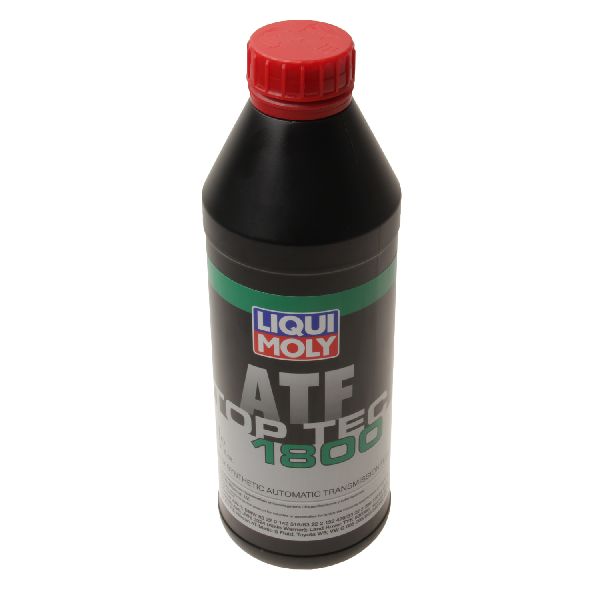
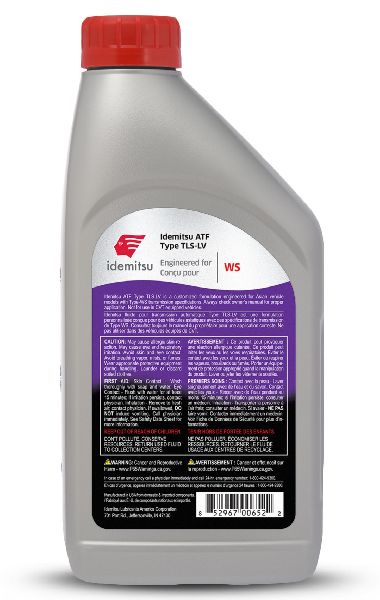
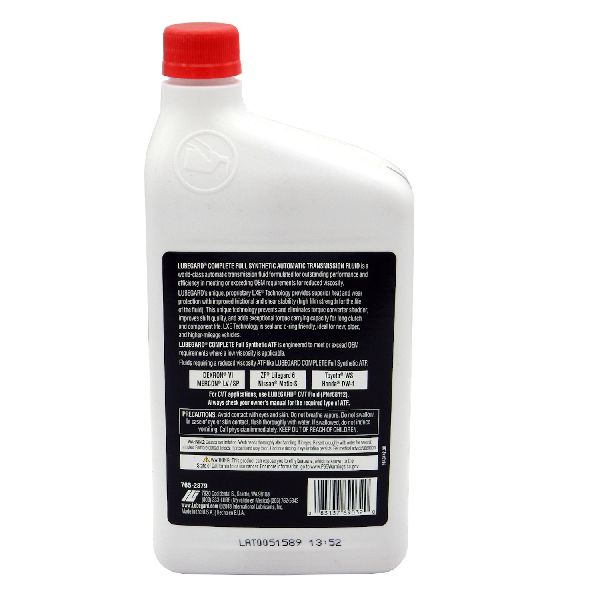
- Ensure only Toyota Type WS fluid is used when refilling the transmission.
What's Unique About the 2007-2012 Lexus ES 350
The 2007-2012 Lexus ES 350 uses the U660E 6-speed automatic transmission, which is known for developing valve body issues over time. For this specific P0872 code, the pressure switch in question is not an easily accessible, externally mounted sensor. It is an integral part of the transmission's valve body, located inside the transmission oil pan. This design means that what might be a simple sensor swap on other vehicles becomes a much more involved repair, often requiring the replacement of the entire valve body assembly to ensure reliability.
Symptoms You May Notice
- Check Engine Light is on
- Harsh or erratic shifting
- Transmission slipping between gears or flaring shifts
- Delayed engagement when shifting into Drive or Reverse
- Vehicle may be stuck in a single gear (limp mode)
- Decreased fuel economy
- Banging or grinding noises from the transmission
- Replacing only the transmission fluid when the pressure switch has already failed electrically.
- Condemning the entire transmission for a rebuild when only the valve body is faulty.
- Replacing the TCM/ECM without first verifying that the sensor and wiring are functioning correctly.
Most Likely Causes
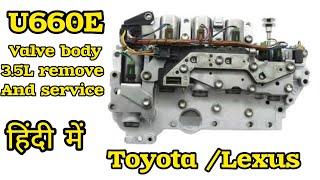
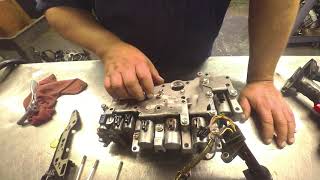
- Faulty Transmission Fluid Pressure Switch (on Valve Body) 🔴 High Probability → Shop Transmission Assembly The pressure switch is an electronic component bathed in hot transmission fluid, and like any sensor, it can fail over time. It is integrated into the valve body, making it the most common point of failure 🎬 Watch: A detailed look at the U660E pressure switches. for this specific code on the U660E transmission. Wear in the valve body bores from mileage and contaminated fluid can also contribute to pressure-related faults.
How to confirm: A technician will use a high-end scan tool to monitor live data from the pressure switch. The switch's reading will be stuck 'low' or not change as expected during operation. The switch itself can also be tested for electrical integrity after removing the valve body.
Typical fix: Due to its location and integration, the standard repair is to replace the entire transmission valve body assembly with a new or remanufactured unit. Some specialists may offer valve body repair by reaming valve bores and replacing individual components, but a full assembly replacement is more common for general repair shops.
Est. part cost: $400-$1200 - Low or Degraded Transmission Fluid 🟡 Medium Probability → Shop Transmission Assembly The U660E is a 'sealed' transmission without a dipstick, which can lead to fluid level and quality being neglected. Low fluid can cause pressure drops, while old, dirty fluid can clog passages in the valve body and damage internal components, leading to pressure faults.
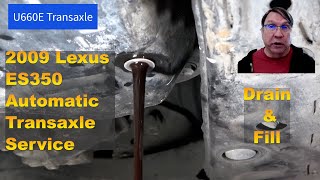
How to confirm: A physical inspection is required. 🎬 See how to perform a transmission fluid drain and fill. The vehicle must be lifted, and the fluid level checked via the overflow plug at a specific temperature (typically 104-113°F or 40-45°C). The fluid condition (color, smell) should be assessed. Dark, burnt-smelling fluid indicates a problem.
Typical fix: If the fluid is low, the source of the leak must be found and repaired, followed by a fluid top-off using the correct procedure. If the fluid is old or dirty, a transmission fluid drain-and-fill or flush should be performed. However, if the code is already present, a fluid change alone is unlikely to fix the failed electronic switch.
Est. part cost: $50-$250 - Wiring or Connector Issues ⚪ Low Probability The wiring harness for the transmission can be damaged, but it is less common than internal component failure. The issue could be at the main connector to the transmission case or the internal harness that connects the solenoids and switches to the main connector.
How to confirm: A technician will inspect the external transmission wiring harness for damage. They will also disconnect the connectors at the TCM and the transmission to check for continuity and shorts in the circuit for pressure switch No. 1, following the service manual's wiring diagram.
Typical fix: Repairing the damaged section of wire or replacing a corroded connector pin. If the internal harness is faulty, it is typically replaced along with the valve body.
Est. part cost: $20-$150
Rare But Worth Checking
- Faulty Transmission Control Module (TCM) or ECM: → Shop Transmission Assembly This is extremely rare. The control module should only be considered after all other possibilities, including the valve body and wiring, have been exhaustively tested and ruled out. Module failure is often misdiagnosed.
Diagnosis Steps
- Verify the code with a quality OBD-II scanner.
- Check the transmission fluid level and condition. This requires lifting the vehicle and following the specific overflow procedure for the U660E transmission at the correct temperature.
- Inspect the external transmission wiring harness and connectors for any visible damage, corrosion, or loose connections.
- Use an advanced scan tool to monitor the live data stream for 'Transmission Fluid Pressure Switch No. 1'. Observe if the value is stuck low regardless of driving conditions.
- If the fluid and external wiring are good, but the data is bad, the next step is to test the wiring between the TCM and the transmission connector for continuity and shorts.
- If the wiring is confirmed to be good, the fault is isolated to the internal components. The transmission pan must be removed.
- With the pan removed, inspect the internal wiring harness and the valve body itself. At this point, the most common procedure is to replace the valve body assembly.
- After replacing the valve body, install a new pan gasket and filter, and fill the transmission with the correct type of fluid (Toyota WS) to the proper level.
- Clear the codes and perform a test drive to ensure the issue is resolved. Some sources suggest that a transmission control module software update or memory reset using Toyota's Techstream software may be beneficial after valve body replacement.
Parts You'll Likely Need
- Transmission Valve Body Assembly
(OEM #35410-33171 (or superseding numbers like 35410-08020, 35410-33240))— The faulty pressure switch is integrated into this assembly. Replacement of the complete unit is the standard, most reliable repair.
Trusted brands: Lexus (OEM), Aisin (OEM supplier), Rostra (for individual solenoids, not full valve body), Valve Body Pro (Remanufactured)
OEM price range: $1000-$1800
Aftermarket price range: $400-$900 (Remanufactured) - Toyota Type WS Automatic Transmission Fluid
(OEM #00289-ATFWS)— This is the required fluid for the U660E transmission. Several quarts (typically 4-6) will be needed for a pan drop and valve body service.
Trusted brands: Toyota/Lexus
OEM price range: $10-$15 per quart - Transmission Pan Gasket and Filter Kit
(OEM #Gasket: 35168-33080, Filter: 35330-08010)— The pan must be removed to access the valve body, and the gasket and filter should always be replaced during this service.
Trusted brands: Lexus, Beck/Arnley, WIX
OEM price range: $60-$100
Aftermarket price range: $30-$60
Related Codes That Often Appear With This One
- P0873 — This code is for 'Transmission Fluid Pressure Switch No. 1 Circuit High'. It relates to the same switch and can appear if the circuit has an intermittent short to power instead of a short to ground or open circuit.
- P2716 — This code relates to the Pressure Control Solenoid 'D' (SLT). Since the pressure switches monitor the actions of the solenoids, a fault in one can be related to the other. A TSB for other Toyota models (TC015-07) addresses a similar code by replacing the ECM, but P0872 is more commonly a valve body issue.
- P0746 — This code is for Pressure Control Solenoid 'A' Performance (Shift Solenoid Valve SL1). P0872 specifically monitors the pressure from the SL1 circuit, so these codes are directly related and often point to a hydraulic or mechanical issue within the valve body or the SL1 solenoid itself.
Technical Service Bulletins (TSBs) & Recalls
- While no TSB directly addresses P0872 on the ES 350, TSBs for other models with similar transmissions (like GM TSB 08-07-30-025B) point to internal pressure switch manifold failure as the cause for a range of pressure switch codes, including P0872, reinforcing the diagnosis of an internal component failure.
Platform-Specific Known Issues
- Owner Experiences with U660E Failure: Owners on forums like ClubLexus report sudden transmission issues, including grinding noises, failure to engage reverse, and slipping, sometimes leading to a complete transmission replacement if driven too long with symptoms. One owner reported a flare between shifts that was resolved with a remanufactured valve body.
Mechanic-Grade Diagnostic Values
- Resistance between Pressure Switch No. 1 connector pin (TPS1) and ground — expected: 10 kΩ or higher. Failure: A reading below 10 kΩ indicates a short to ground in the switch or internal harness.
- Continuity of the wiring harness between the TCM connector and the transmission connector for the pressure switch circuit — expected: Below 1 Ω. Failure: A reading above 1 Ω indicates high resistance or an open circuit in the harness.
- Continuity between the pressure switch circuit pin at the TCM connector and body ground — expected: 10 kΩ or higher. Failure: A reading below 10 kΩ indicates a short to ground in the wiring harness.
Scan Tool Commands That Help
- Toyota Techstream: Active Test: Control the Shift Position — This allows a technician to manually command gear shifts while monitoring the 'TPS 1 Switch' status in the Data List. For P0872, the switch status will likely remain 'OFF' even when a gear that should turn it 'ON' (1st-5th) is commanded, confirming the fault.
- Toyota Techstream: Utility: A/T Code Reset — After replacing the valve body or TCM, this function is used to reset the transmission's learned values (compensation code). A road test is required afterward to allow the TCM to relearn and adapt to the new components.
- Toyota Techstream: Data List: TPS 1 Switch — This is used to monitor the ON/OFF status of the pressure switch in real-time during a test drive or while using the Active Test. A properly functioning switch should display 'ON' when the vehicle is driven in gears 1 through 5.
Wiring & Ground Locations
- F73 Transmission Wire Connector — The main electrical connector on the outside of the U660E transmission case.. This is the primary connection point for all internal transmission electronics. Pin 17 (TPS1) is the specific circuit for Pressure Switch No. 1 that needs to be tested for continuity back to the TCM.
- F72 TCM Connector — The electrical connector at the Transmission Control Module (TCM).. This is the destination for the signal from the pressure switch. Pin 9 (TPS1) corresponds to the pressure switch circuit and is tested for continuity and shorts to ground.
- Oil Pressure Switch Connector (Internal) — Inside the transmission, on the valve body itself. It connects the pressure switch to the internal transmission wire harness.. This is the final connection before the switch itself. Testing at pin 17 (TPS1) of this connector can isolate the fault to the switch itself if the external wiring is good.
Real Owner Repair Stories
- ClubLexus Forum User (2007 Lexus ES350 (U660E)) — Hard 'thump' into each gear when driving, error codes for speed sensor and pending faults for solenoids.
❌ Tried (didn't work) Initially, after installing a replacement valve body, none of the gears would engage.
✅ What actually fixed it The user had failed to transfer the 'Manual Valve' from the original valve body to the replacement unit. After removing the valve body again and installing the manual valve, the transmission functioned correctly.
OEM Part Supersession History
35410-08020, 35410-33170, 35410-07010→35410-33171— Part consolidation and potential design revisions over the production life.
Heads up: While these part numbers are listed as being replaced by 35410-33171, it is critical to verify the correct part number for your specific vehicle's VIN, as there can be mid-year changes.
Model Year Variations Within This Range
- 2007-2011 vs 2012+: On some U660E transmissions, models up to 2011 used a valve body with three pressure switches. From 2012 onward, some applications went to a single pressure switch design. The valve body casting may be the same, but the internal harness and switch plate are different. If swapping parts, the original harness and plate must be used to match the vehicle's original configuration (e.g., converting a 3-switch valve body to a 1-switch application by using the original 1-switch harness).
- 2007-2010 vs 2011-2012: For the 2011 model year, the 2GR-FE engine was slightly detuned (272 hp to 268 hp) and the recommended fuel changed from premium to regular. This was an engine management change and did not directly affect the transmission hardware or the P0872 fault.
Diagnostic Flowchart
Other Known Issues on This Vehicle
Issues unrelated to this code that are worth knowing about as an owner of this generation:
- Melting / Sticky Dashboard 🟠 Medium — Very common, especially in warmer climates. Occurs due to heat and humidity exposure over time. (Ref: Lexus initiated a Warranty Enhancement Program (ZLD) to replace affected dashboards, though this program may have expired.)
- Ruptured VVT-i Oil Line (Rubber Section) 🔴 High — A significant risk on earlier models (approx. 2007-2009). Failure can cause catastrophic engine damage due to rapid oil loss. (Ref: Toyota/Lexus issued a Limited Service Campaign (LSC) to replace the original rubber/metal hose with an all-metal line (Part No. 15772-31030).)
- Transmission Shift Flare or Hesitation 🟠 Medium → Shop Transmission Assembly — Common as the vehicle ages. Often a precursor to more serious valve body issues or other fault codes. Can sometimes be improved with a fluid change or software update if caught early.
- Leaking Evaporator Core (A/C System) 🟡 Low — Reported by some owners of the 2007 model year, causing poor A/C performance or white flakes from vents.
Used vs. New Parts: Buying Guide for This Vehicle
When a used part is the smart pick: A used OEM valve body from a low-mileage, verified-running donor vehicle can be a cost-effective option, but it carries significant risk. It makes most sense for an experienced DIYer or a shop willing to assume the risk of the part being faulty. Given the high labor cost, a 'do it once' approach with a remanufactured or new part is often preferred.
Donor-vehicle mileage cap: roughly under 75000 miles for the part to have meaningful remaining life.
What to inspect on the donor part:
- Verify the donor vehicle was involved in a collision that did not damage the powertrain.
- Ask for the VIN to check the vehicle's service history if possible.
- Inspect the transmission fluid from the donor car if available; it should be red/pink and not smell burnt.
- Ensure all solenoids and connectors are physically intact with no signs of damage or corrosion.
OEM-only on this vehicle (don't cheap out):
- Transmission Control Module (TCM) - Aftermarket or incorrectly programmed modules often cause more issues.
- Transmission Fluid (Toyota WS) - While some aftermarket fluids claim compatibility, using the OEM fluid eliminates a major variable if issues arise.
Aftermarket brands forum-validated for this vehicle:
- Aisin (Often the OEM supplier for Toyota/Lexus, providing OEM quality without the Lexus branding)
- Sonnax (Provides high-quality valve body repair kits and individual components, but this is for professional rebuilders, not a complete assembly)
Brands owners have reported issues with on this vehicle:
- Unbranded, 'no-name' valve bodies from online marketplaces. These often have poor quality control and may use inferior solenoids, leading to premature failure. The warranty may be difficult or impossible to claim.
Real Owner Stories
Aggregated from forums and TSBs cited above. Mileages and costs reflect what owners reported in those sources.
2012 Lexus ES 350 2GR-FE 3.5L V6 — 207000 miles
Symptoms: Sudden transmission failure with engine revving but no movement, grinding noises, and an inability to engage reverse.
What fixed it: The source describes a catastrophic failure; the context suggests such symptoms can lead to a complete transmission replacement.
Source hint: ClubLexus - 2012 Lexus ES 350 transmission issue.
2007 Lexus ES 350 2GR-FE 3.5L V6 — 26000 miles
Symptoms: Acceleration slip where the engine would rev without corresponding acceleration.
What fixed it: The dealer replaced the entire transmission.
Source hint: Edmunds Car Forums - Lexus ES 350 Transmission Issues
Lexus ES 350 (2007-2012)
Symptoms: A flare between shifts.
What fixed it: A remanufactured valve body.
Source hint: Owner Experiences with U660E Failure
Related OBD-II Codes
Frequently Asked Questions
My 2010 Lexus ES 350 is showing code P0872 and shifting harshly. Is this a common problem?
I was told I need a new valve body to fix P0872. Is that the only option?
How do I check the transmission fluid on my 2008 ES 350? I can't find a dipstick.
Will simply changing the transmission fluid fix the P0872 code?
Are there any official Lexus TSBs for the P0872 code on the ES 350?
My Toyota Camry V6 has the same P0872 code. Is the cause the same as the Lexus ES 350?
After the valve body is replaced on my ES 350, is any other procedure required?
Helpful Videos

We Have This Part in Stock


The information in this article is provided for general reference and educational purposes only. Vehicle specifications, procedures, and part compatibility can vary by production date, trim level, and region. Always consult your vehicle's factory service manual and verify part numbers before purchasing or performing repairs. Safety-critical components such as airbags, seat belts, and braking systems should be installed by a qualified professional.
- Lexus ES 350:
- 🧭 Diagnostic Flowchart
- 🎬 Helpful Videos
- 🛍️ Shop This Part
- What's Unique About the 2007-2012 Lexus ES 350
- Symptoms You May Notice
- Most Likely Causes
- Rare But Worth Checking
- Diagnosis Steps
- Parts You'll Likely Need
- Related Codes That Often Appear With This One
- Technical Service Bulletins (TSBs) & Recalls
- Platform-Specific Known Issues
- Mechanic-Grade Diagnostic Values
- Scan Tool Commands That Help
- Wiring & Ground Locations
- Real Owner Repair Stories
- OEM Part Supersession History
- Model Year Variations Within This Range
- Other Known Issues on This Vehicle
- Used vs. New Parts: Buying Guide for This Vehicle
- Real Owner Stories
- 2012 Lexus ES 350 2GR-FE 3.5L V6 — 207000 miles
- 2007 Lexus ES 350 2GR-FE 3.5L V6 — 26000 miles
- Lexus ES 350 (2007-2012)
- Related OBD-II Codes
- Frequently Asked Questions
- 🎟️ Get 5% Off